

Short answer
Nobody can give you a reliable statewide average; motorcycle claim values track documented loss and fault share instead. At 20 percent fault on $100,000 in damages, recovery drops to $80,000. Deadlines bite too: riders must send the DMV an SR-1 within 10 days when anyone is hurt or killed or damage tops $1,000 (Vehicle Code 16000), and suit must start within two years (CCP 335.1).
There is no single average motorcycle accident settlement in California because every case is different. Settlement amounts depend on factors like injury severity, medical expenses, lost income, pain and suffering, liability, insurance coverage, and available evidence. Knowing these factors can help you understand what your motorcycle crash claim may be worth.
If you’ve been injured in a California motorcycle accident, My Injury Pros can help you understand your legal options and pursue fair compensation. Our experienced personal injury attorneys can handle the evidence, insurance negotiations, and legal process while keeping you informed along the way. For a free consultation and no-win, no-fee representation, reach out to My Injury Pros and contact us today.
This blog explains what can affect a motorcycle accident settlement in California and how compensation is typically calculated. It’s for motorcycle riders injured in a California crash who want to understand what may affect the value of their claim.
What Is the Average Motorcycle Accident Settlement in California?
There is no reliable statewide average motorcycle accident settlement because every motorcycle accident case is different. A minor injury claim can look very different from one involving catastrophic injuries, and the final settlement amount can depend on medical expenses, lost income, pain and suffering, liability, insurance coverage, and the evidence supporting the claim.
Motorcycle crashes can also lead to serious consequences. According to the California Department of Transportation, motorcycle-involved crashes accounted for 21% of California’s fatal or serious-injury crashes between 2008 and 2017, while motorcyclists accounted for 15% of all traffic fatalities and 19% of all serious injuries during that period.
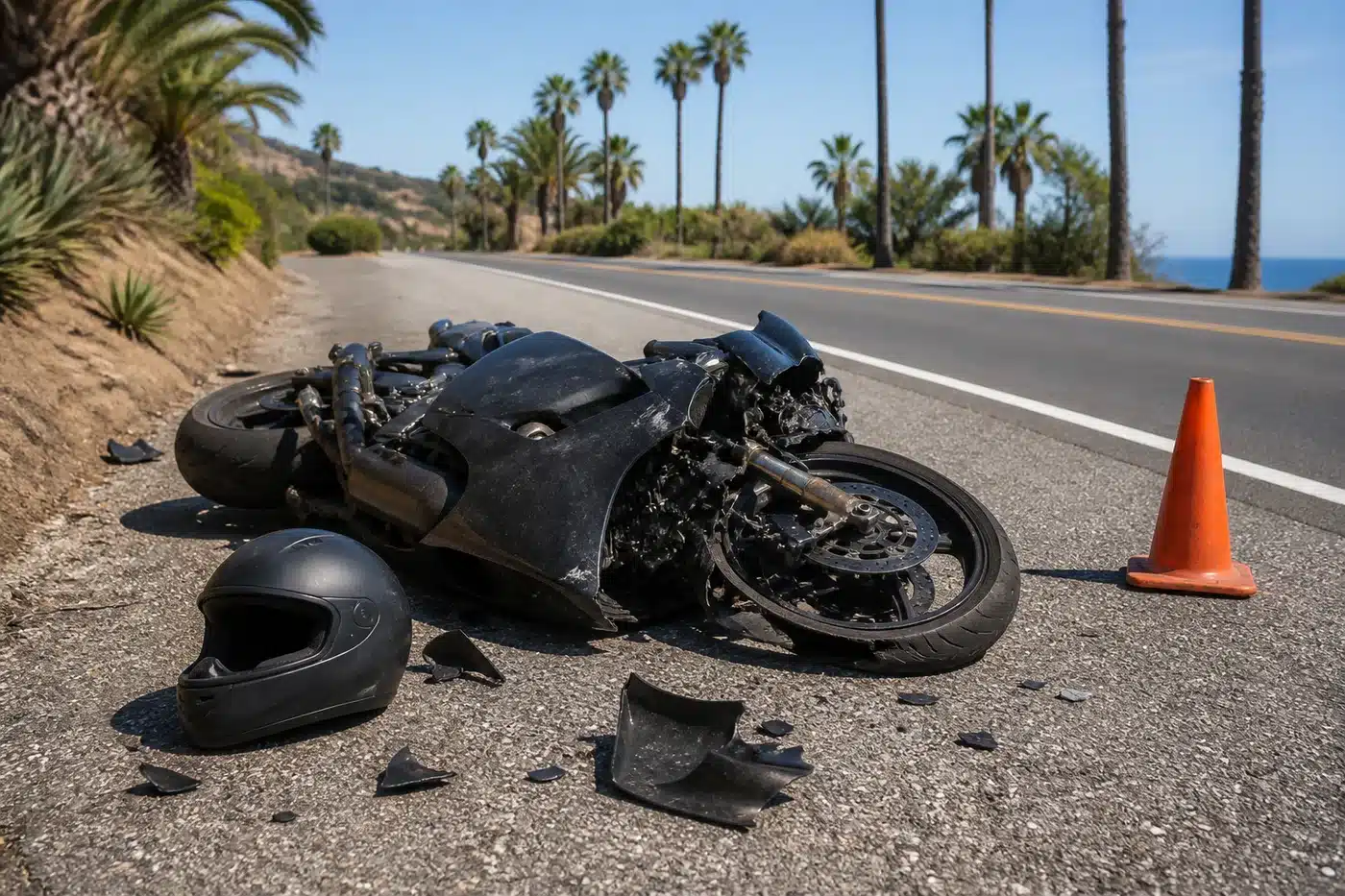
Why There Is No One-Size-Fits-All Settlement
The severity and type of motorcycle accident injuries can have a major effect on a settlement. Medical treatment, medical expenses, lost wages, reduced earning capacity, and permanent disabilities or long-term limitations can all increase the overall value of a claim. Pain and suffering also matter, along with liability and comparative fault. If more than one person shares responsibility for the motorcycle crash, California’s comparative negligence rules can affect the compensation an injured rider may recover.
Finally, insurance policy limits and available evidence can influence the final settlement amount. Whether the motorcycle accident claim is resolved through negotiations or proceeds to a motorcycle accident lawsuit can also affect how long the legal process takes and how the case is ultimately resolved.
What a Settlement May Compensate You For
A motorcycle accident settlement can cover both economic and non-economic damages, depending on the losses caused by the crash. Economic damages are financial losses that can usually be supported with bills, records, or other documentation. Non-economic damages focus more on the physical and emotional impact the accident has had on your life.
Economic Damages
Economic damages cover the financial costs you may face after a motorcycle accident. These can include emergency treatment, hospital and medical bills, rehabilitation, medication, and other medical expenses related to your recovery. The amount can vary depending on the severity of your injuries and the amount of medical attention you need.
Economic damages may also include future medical costs when your injuries require ongoing treatment or care. Keeping your medical records, bills, and treatment information organized can help document these costs as part of your motorcycle accident claim. This is especially important when serious injuries require extensive medical treatment over a longer period, creating mounting medical bills.
You may also be able to seek compensation for lost wages and reduced earning capacity if your injuries keep you from working or affect your ability to earn income in the future, such as broken bones. Property damage, including damage to your motorcycle, may also be included when calculating your losses. Together, these documented financial losses can help show the economic impact of the accident.
Non-Economic Damages
Non-economic damages focus on losses that are harder to put a dollar amount on, such as pain and suffering and emotional distress. Unlike medical bills or lost wages, these losses do not come with a specific price tag. However, they can still have a significant effect on the value of a motorcycle crash settlement.
Non-economic damages may also account for the loss of enjoyment of life when injuries prevent you from taking part in activities you once enjoyed. Physical limitations can make everyday tasks more difficult and may affect your independence. These changes can be particularly significant for motorcycle accident victims dealing with serious or life-altering injuries. The overall effect of an accident on your quality of life can also be considered when assessing non-economic damages.
How Is a Motorcycle Accident Settlement Calculated in California?
There is no universal formula that can automatically determine a motorcycle accident settlement amount in California. Instead, the value of a claim is assessed by looking at documented losses, injury severity, liability, available evidence, insurance coverage, and how the accident has affected the victim’s life. These factors help attorneys and insurance companies determine what an average settlement may look like for a particular motorcycle accident case.
Economic Damages
Economic damages are the financial losses caused by a motorcycle accident that can usually be supported with bills, receipts, and other records. They may include medical bills, future medical expenses, lost income, and reduced earning capacity when injuries affect your ability to work now or in the future. Keeping detailed medical records and documentation can help show the full financial impact of your injuries.
Property damage may also be included, particularly when your motorcycle is damaged or totaled in the crash. Repair costs, replacement expenses, and other documented losses can help establish the economic damages connected to the accident. Together, these losses can play an important role in determining the value of a California motorcycle accident settlement.
Non-Economic Damages
Non-economic damages cover losses that do not come with a specific bill or receipt, which makes them more difficult to quantify. In a California motorcycle accident case, factors such as the severity and duration of pain, the length of recovery, permanent impairment, and emotional distress can all affect how these damages are evaluated.
The impact on everyday life also matters. If injuries make it harder to work, exercise, care for yourself, spend time with family, or enjoy activities you once did, those changes can help demonstrate the broader effect of the motorcycle accident. California courts recognize that losses such as emotional harm and other non-economic losses can be harder to measure than expenses supported by bills and records.
Liability and Comparative Fault
Establishing who caused the motorcycle accident is critical to a compensation claim because liability determines who may be responsible for the resulting losses. This may involve showing that another driver was negligent, such as by speeding, failing to yield, following too closely, or otherwise driving carelessly, while the other side may argue that the motorcycle rider also contributed to the crash.
California uses comparative fault, meaning an injured rider's recovery can be reduced if the rider is found partly responsible for causing their injuries. Evidence such as police reports, medical records, photographs or video, witness statements, traffic camera footage, and accident reconstruction evidence can help establish what happened and how responsibility should be divided. Under California's current jury instructions, damages are reduced according to the percentage of responsibility assigned to the injured person when comparative fault is established.
What Factors Affect the Value of a Motorcycle Accident Settlement?
The value of a motorcycle accident settlement in California depends on several factors, not just the initial medical bills. Injury severity, treatment, lost income, liability, insurance coverage, and the long-term effect of the crash can all influence the potential value of a claim. Looking at these factors together can provide a clearer picture of what may affect the final settlement amount.
Severity of Motorcycle Accident Injuries
The severity of the injuries is one of the most important factors in a motorcycle accident case. Temporary or minor injuries may require limited treatment, while serious injuries such as traumatic brain injuries, spinal cord injuries, fractures, and internal injuries can require extensive medical care and longer recovery periods.
More severe injuries can also create losses that continue long after the initial crash. Permanent disabilities and catastrophic injuries may require ongoing treatment, rehabilitation, assistive care, or changes to the way someone works and lives, while also contributing to greater pain and suffering and other non-economic losses.
Medical Treatment and Future Medical Expenses
Medical treatment helps document the nature and extent of injuries following a motorcycle accident. Medical bills, records of treatment, rehabilitation, medications, and recommendations for future care can help establish both the expenses already incurred and potential future medical expenses, particularly when injuries require ongoing treatment.
Lost Wages and Future Earning Capacity
A motorcycle accident can affect compensation through both income already lost and the potential impact on future earnings. If serious injuries prevent someone from returning to work, reduce the type of work they can perform, or limit their ability to earn the same income in the future, those losses may become an important part of the compensation claim.
Liability and Strength of Evidence
A strong motorcycle accident claim generally depends on evidence showing how the crash happened and who was responsible. Police reports, medical records, photographs and video, witness statements, motorcycle and vehicle damage, and traffic or surveillance footage can help establish the circumstances surrounding the collision.
In more complicated cases, accident reconstruction may also help explain factors such as vehicle positions, speed, impact points, and the sequence of events. The available evidence can become particularly important when the other driver or other party's insurance company disputes liability or argues that the motorcycle rider was partly responsible for the crash.
Insurance Coverage and Policy Limits
Available insurance coverage is an important practical consideration when pursuing compensation after a California motorcycle accident. Even when liability is established, the amount and type of insurance coverage available can affect how much compensation may realistically be recovered, particularly when the other driver has only the minimum coverage or multiple parties are involved.

Long-Term Impact on Your Life
The effect of a motorcycle accident can extend well beyond medical treatment and financial losses. Permanent disability, ongoing physical or emotional effects, changes to daily activities, and an inability to participate in hobbies or activities you once enjoyed can all demonstrate how seriously the crash has changed your life. These long-term effects may be considered when evaluating the non-economic damages associated with a motorcycle accident claim.
What Damages Can You Recover After a Motorcycle Accident in California?
Now that we’ve covered the factors that can affect the value of a motorcycle accident settlement, the next step is understanding what compensation may actually include. Depending on the circumstances of the crash and the losses involved, a California motorcycle accident claim may cover financial expenses, lost income, physical and emotional harm, and other effects on your life. The evidence supporting each loss can play an important role in determining the overall value of a compensation claim.
The damages available in a particular motorcycle accident case will depend on the injuries, losses, liability, and evidence involved. Keeping medical records, financial documentation, photographs, and other evidence can help establish how the accident has affected you and support the losses included in your claim.
How Does the Motorcycle Accident Settlement Process Work in California?
After understanding the damages that may be available, the next question is how a motorcycle accident claim actually moves forward. In California, the process generally involves investigating the crash, documenting injuries and losses, establishing liability, and working with the insurance company to pursue compensation. The exact steps can vary depending on the severity of the injuries, the evidence available, the insurance coverage involved, and whether the claim can be resolved through negotiation.
Step 1: Investigate the Accident
The process begins with determining what happened and identifying the people or entities that may be legally responsible for the motorcycle accident. This may involve reviewing the accident scene, police reports, photographs, witness statements, vehicle damage, traffic footage, and other available evidence.
Step 2: Document Your Injuries and Losses
Medical records, medical bills, treatment information, wage records, photographs of injuries, insurance information, and other documentation can help establish the losses caused by the crash. In California law, drivers involved in a reportable collision must also submit an SR-1 to the DMV within 10 days when someone is injured or killed, or property damage exceeds $1,000, regardless of who caused the accident.
Step 3: Establish Liability
Once the available evidence has been collected, the next step is determining who may be legally responsible for the collision. This can involve examining driver conduct, traffic laws, road conditions, witness accounts, and other evidence to determine whether another driver's negligence or another party's actions contributed to the crash.
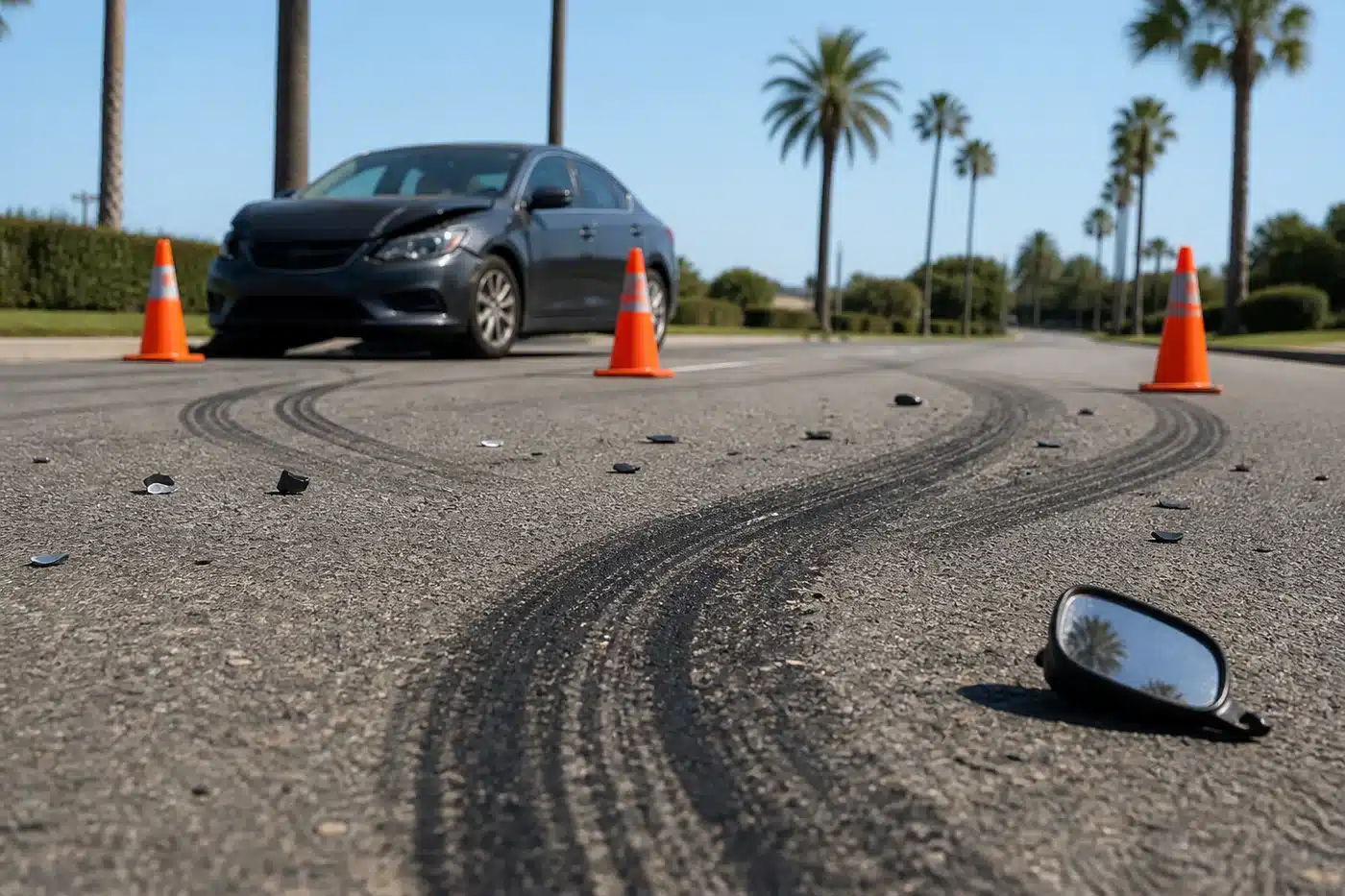
Step 4: Calculate the Full Scope of Damages
A compensation claim should account for more than the medical bills received immediately after the accident. The evaluation may include current and future medical expenses, lost income, reduced future earning capacity, property damage, pain and suffering, emotional distress, and other losses connected to the injuries.
Step 5: File the Compensation Claim
A personal injury claim is typically presented to the appropriate insurance company along with documentation supporting liability and the losses being claimed. Medical records, bills, wage information, photographs, accident reports, and other evidence can help provide the insurer with the information needed to evaluate the claim.
Step 6: Negotiate With the Insurance Company
After reviewing the claim, the insurance company may make a settlement offer. An initial offer does not necessarily reflect the full value of a claim, particularly when the long-term effects of serious injuries, future medical expenses, lost earning capacity, or other damages have not been fully established.
Step 7: Consider Litigation if Necessary
If the parties cannot reach a fair resolution through negotiations, filing a motorcycle accident lawsuit may become necessary. Litigation involves a formal legal process in which the evidence, liability, and damages are presented through the court system, although a case may still be resolved through settlement before reaching trial. For riders who need legal guidance through this process, a California motorcycle accident lawyer can help evaluate the claim, investigate the evidence, communicate with insurers, and explain the available legal options.
What Challenges Can Affect a Motorcycle Accident Settlement?
Even when a motorcycle accident causes clear injuries and financial losses, getting a fair settlement is not always straightforward. Insurance companies may challenge fault, question the extent of your injuries, or make an offer before the full cost of your recovery is known. Strong evidence, clear documentation, and timely action can make a difference throughout a California motorcycle accident claim.
Disputing Who Was at Fault
One of the biggest challenges in a motorcycle accident claim is disagreement over who caused the crash. An insurance company may argue that the other driver was not negligent or that the motorcycle rider contributed to the collision, making evidence such as police reports, photographs, witness statements, traffic footage, and accident reconstruction especially important. Clear evidence can help establish what happened and support your position when liability is disputed.
Disagreements Over Injury Severity
Insurance companies may also question whether an injury was caused by the motorcycle accident or whether the treatment received was necessary. This can become more complicated when symptoms develop later, treatment continues for an extended period, or there are pre-existing conditions involved. Consistent medical care and records connecting the injuries to the crash can help document the nature and extent of the harm.
Low Settlement Offers
An early settlement offer may not account for the full impact of serious injuries, particularly when the injured rider is still receiving treatment. Future medical expenses, reduced earning capacity, permanent limitations, and ongoing pain and suffering may not be fully known or documented at that stage. Before accepting an offer, it is important to understand whether it accounts for both current losses and reasonably supported future damages.
Gaps in Medical Treatment or Documentation
Gaps in medical treatment or incomplete records can make it harder to show the connection between the motorcycle accident, your injuries, and the losses you are claiming. Missing medical records, inconsistent treatment, undocumented expenses, or a lack of wage information can leave important parts of a claim difficult to establish. Keeping records of treatment, expenses, missed work, and other accident-related losses can provide stronger documentation of the claim.
California Filing Deadlines
California generally gives you two years from the date of a personal injury to file a lawsuit, although the deadline can vary depending on the circumstances. California courts note that different rules can apply when suing a government agency or when other exceptions or tolling rules are involved, so the general two-year period should not be treated as a deadline that applies to every case.
Caltrans recorded 566 motorcyclist fatalities and 2,927 serious injuries in California in 2017, the highest annual figures shown in its 2008–2017 data for both categories. Filing deadlines can affect your ability to pursue a lawsuit, so it is important to identify the deadline that applies to your specific circumstances rather than waiting until the end of the general two-year period.
When Should You Speak With a Motorcycle Accident Attorney?
Not every motorcycle accident claim will require the same level of legal assistance, but certain situations can make an experienced attorney's guidance particularly useful. Speaking with an experienced personal injury attorney may be especially important when you have serious or catastrophic injuries, permanent disability, significant lost income, large medical expenses, disputed liability, multiple potentially liable parties, or an insurance dispute. It can also be helpful when a settlement offer does not appear to account for future medical expenses, reduced earning capacity, or the full impact of a serious injury.
California Courts' guidance on personal injury cases notes that legal representation can be particularly important when an injury is severe or long-term, potential damages are large, fault is unclear, or several people or businesses may be responsible. These situations can involve more complicated questions about liability, evidence, damages, insurance coverage, and the legal process.
A personal injury attorney can investigate the accident, review available evidence, document your injuries and financial losses, and communicate with insurance companies on your behalf. A skilled motorcycle accident attorney can also evaluate settlement offers, negotiate when appropriate, and help determine whether filing a motorcycle accident lawsuit is necessary if the parties cannot reach a fair resolution. California courts note that a lawyer may also help with negotiating with the other side and working with an insurance company when one is involved.
How Can My Injury Pros Help With Your Motorcycle Accident Claim?
A motorcycle accident settlement in California can depend on the severity of your injuries, your financial losses, liability, insurance coverage, and the evidence supporting your claim. Knowing these factors can help you see what may affect your compensation and what to consider before accepting a settlement.
My Injury Pros represents injured clients in California personal injury cases and can help you understand your rights and the legal options available after a motorcycle accident. The firm offers free consultations and works on a no-win, no-fee basis, so you can discuss your case without paying upfront legal fees; if you need guidance with your claim, contact My Injury Pros to schedule a consultation.
Frequently Asked Questions
Here are quick answers to common questions about motorcycle accident settlements in California, including settlement values, timing, negotiations, and partial fault.
What Is the Average Motorcycle Accident Settlement in California?
There is no dependable single statewide average for motorcycle accident settlements in California. The amount can vary based on injury severity, medical expenses, lost income, liability, insurance coverage, and the evidence supporting the claim.
How Is the Average Motorcycle Accident Settlement Calculated in California?
Settlement values generally consider economic damages such as medical expenses and lost income, along with non-economic damages such as pain and suffering. Liability, insurance coverage, and the evidence in the case can also affect the final amount.
What Factors Affect the Value of a Motorcycle Accident Settlement?
Key factors include injury severity, medical treatment, lost income, future expenses, liability, insurance coverage, and the long-term impact of the injury. Serious or permanent injuries may involve greater medical and future losses.
How Long Does It Take to Receive a Motorcycle Accident Settlement in California?
There is no standard timeline for a motorcycle accident settlement. The process may take longer when injuries require extensive treatment, liability is disputed, negotiations continue, or litigation becomes necessary.
Can I Negotiate a Motorcycle Accident Settlement in California?
Yes, settlement negotiations are common in motorcycle accident claims. You can respond to an insurance company's offer and negotiate when it does not adequately account for your documented losses and other damages.
Can I Still Recover Compensation If I Was Partially at Fault for a Motorcycle Accident?
Yes, California follows a comparative fault system, so being partly responsible does not automatically prevent recovery. Your compensation can be reduced according to your percentage of fault; for example, 20% fault on $100,000 in damages would reduce the recovery to $80,000.
Disclaimer: This blog provides general information and is not legal advice. Every motorcycle accident case is different, so speak with a qualified California personal injury attorney about your specific situation.