Spinal cord injuries (SCIs) are life-altering conditions that can result in partial or complete loss of motor function and sensation. SCIs may involve long-term medical care, rehabilitation, and lost income so it is important to understand their potential settlement values.
The average settlement for a spinal cord injury ranges from $350,000 to over $1 million, with serious spinal cord injury cases like paralysis exceeding $3 million. Factors that influence the amount of settlement for a spinal cord injury depend on the severity of the injury, costs of medical treatment, lost wages, pain and suffering, and the strength of the legal case.
Have you or a loved one suffered a spinal cord injury due to someone else’s negligence? At My Injury Pros, we understand the lifelong impact these injuries can have and the importance of securing a settlement that truly reflects your medical needs, lost income, and pain and suffering. Our experienced team of personal injury attorneys is committed to fighting for the maximum compensation you deserve. Don’t leave your future to chance. Contact us today for a free consultation!
This post will discuss the average settlement amounts for spinal cord injuries and explain the key factors that can impact your potential compensation.

A spinal cord injury (SCI) occurs when the spinal cord is damaged. This damage causes a disruption in communication between the brain and the rest of the body. The two main types include complete injuries, where all feeling and movement below the injury site are lost, and incomplete spinal cord injuries, where some sensation or movement remains.
Common causes of SCIs include car accidents, falls, sports injuries, and medical malpractice during surgery or treatment. These incidents can severely damage the spinal cord, leading to varying degrees of paralysis or loss of function.
The long-term effects of a spinal cord injury can be life-altering. SCIs impact mobility, sensation, and even organ function. They cause many individuals to require ongoing medical care, rehabilitation, and assistance with daily activities. This makes the impact of SCIs both physical and emotional.
The typical payout for a spinal cord injury settlement varies and generally ranges from around $100,000 to several million dollars. The amount depends mainly on the severity of the injury, the costs of medical care, lost wages, and the impact on the victim’s quality of life.
For example, settlements for paraplegia (paralysis of the lower body) mostly fall between $500,000 and $2 million or more. This reflects significant medical and rehabilitation needs. In more severe personal injury cases like quadriplegia, which affects all four limbs, payouts typically range from $1 million to over $5 million. This is due to the extensive lifelong care that would be needed.
In some cases, jury verdicts can surpass these amounts, especially when the injury results from clear negligence or egregious conduct. This highlights the importance of skilled representation by an experienced personal injury lawyer to make sure that the final settlement, based on the unique circumstances of each case, is fair.

Location can impact your compensation. Let u-s break down the average spinal cord injury settlement amounts across different states to help you understand why.
California spinal injury settlements tend to be higher than the national average due to the state’s high medical costs and strong consumer protection laws that support injured victims. These factors contribute to settlements ranging from $500,000 to over $3 million.
Large metropolitan areas like Los Angeles and San Francisco often see favorable jury verdicts in spinal cord injury cases. This reflects the region’s litigious environment and access to experienced legal representation. This can result in higher compensation for victims, especially in cases that involve severe injuries and clear liability.
In Texas, the average settlements for spinal cord injuries can be affected by the state’s tort reform laws. These laws may cap certain damages like non-economic losses, which potentially limit the total compensation victims can receive. Despite these caps, settlements typically range from $300,000 to $2.5 million. This ultimately depends on the severity of the injury and other case factors.
Texas also follows modified comparative fault rules. This means if the injured party is found to be partially at fault, their settlement can be reduced or even barred if their fault exceeds a certain threshold. This makes fault assessment a critical factor in determining the final payout in spinal cord injury cases.
In Washington State, spinal injury settlements can be higher due to the absence of caps on pain and suffering damages. This absence allows victims to receive fair compensation for their physical and emotional losses. Settlement amounts generally range from $400,000 to $3 million, depending on the injury’s severity and individual case details.
State-specific insurance laws and local jury trends are also significant factors in settlement outcomes. Juries in some areas are more likely to award substantial verdicts. Understanding these regional factors is important when evaluating potential compensation in Washington spinal cord injury cases.
In Florida, spinal injury settlements typically range from $350,000 to $2.5 million. This largely depends on the severity of the injury, long-term medical needs, and the circumstances of the case. Florida's no-fault insurance system provides limited Personal Injury Protection (PIP) coverage up to $10,000, which may be insufficient for severe spinal injuries. This prompts victims to pursue additional compensation through personal injury claims.
Recent tort reform in Florida has introduced a modified comparative negligence system. This means that if a victim is found to be more than 50% at fault for their injury, they may be barred from recovering damages. This change underscores the importance of establishing clear liability in spinal cord injury cases to maximize potential settlements.
In the U.S., New York spinal cord injury compensation is among the highest. Typical payouts range from $600,000 to over $4 million and depend on factors like injury severity, liability, and future medical needs.
Major metropolitan areas such as New York City frequently see substantial verdicts and settlements that reflect the state's strong legal protections and high cost of living.

Settlements for spinal cord damage differ based on factors like the injury’s severity, the victim’s age, and the long-term medical needs involved. Cases with clear liability and strong evidence mostly result in higher insurance settlements. Additionally, individual circumstances, such as lost income and physical pain and suffering, also play a significant role in determining the payout.
Car crashes are one of the most common causes of cervical spine injuries, often resulting in serious, long-term consequences that require extensive medical care and rehabilitation. Because of the severity and lasting impact of these injuries, settlements for cervical spine injuries caused by car accidents typically range from $500,000 to $3.5 million, depending on the specifics of the case.
Two major factors that influence the payout are insurance policy limits and how fault is determined. If the at-fault driver has limited coverage, it may cap the compensation unless other parties are liable or additional coverage applies. Proving clear liability and documenting all medical bills and financial losses are crucial to maximizing a spinal injury compensation after a car crash.
Work-related spinal injuries are usually covered by workers’ compensation, which provides benefits like medical care and partial wage replacement. Lump sum settlements for these cases typically range from $150,000 to $500,000, depending on the severity and long-term impact.
However, if a third party (like an equipment manufacturer or contractor) contributed to the injury, a separate lawsuit may be possible. These claims can lead to significantly higher compensation beyond what workers’ comp offers.
Payouts for spinal injuries resulting from slip and fall accidents range from $250,000 to over $1,000,000, depending on the severity of the injury and the circumstances of the fall. These cases heavily rely on proving that the property owner was negligent, such as failing to fix a hazard or warn of a danger, which directly caused the injury.
Strong evidence, including incident reports, treatment records, and witness statements, is key to securing fair compensation.

Spinal cord injuries from truck accidents often result in significantly higher settlements. They usually range from $750,000 to over $5 million. This is because the impact commercial trucks cause in collisions can be severe. They often lead to catastrophic injuries such as partial or complete paralysis.
These cases also tend to involve multiple liable parties. They could include the truck driver, the trucking company, and sometimes even vehicle or parts manufacturers, which can increase the potential payout. Establishing liability across several entities allows injured victims to seek compensation from more than one source. This often leads to higher overall settlements.
Additionally, federal regulations require commercial trucking companies to carry larger insurance policies, which can provide more financial coverage for serious injuries. Because spinal injuries from truck accidents often result in long-term or permanent disability, the damages awarded must account for lifelong medical care, loss of income, and diminished quality of life. further driving up the value of these claims.
Spinal cord injuries caused by medical malpractice can lead to high-value settlements or verdicts that typically range from $1,000,000 to over $5,000,000. These cases involve severe harm, such as full or partial paralysis, resulting from errors during surgical procedures, misdiagnosis, or delayed treatment.
However, malpractice claims are complex and require a high burden of proof. This includes expert testimony and clear evidence that the medical provider failed to meet the standard of required medical treatment. Because of this, working with an experienced attorney is essential to building a strong case and pursuing maximum compensation.
Sports-related spinal injury occurs during contact sports, falls, or inadequate supervision or safety measures. Settlements range from $100,000 to $750,000, depending on the severity of the injury and the circumstances surrounding the incident.
Liability can be harder to prove due to assumption of risk defenses, where participants are considered to have accepted certain dangers. Successful claims usually involve clear negligence, such as faulty equipment or lack of proper safety protocols.
| Case Type | Estimated Settlement Amount | Settlement Range |
|---|---|---|
| Car Accident | $1,000,000+ | $500,000 – $3,500,000 |
| Workplace Injury | $250,000 – $400,000 | $150,000 – $500,000 |
| Slip and Fall | $500,000 | $250,000 – $1,000,000 |
| Medical Malpractice | $2,500,000+ | $1,000,000 – $5,000,000+ |
| Sports/Recreational | $300,000 | $100,000 – $750,000 |
| Truck Accident | $2,000,000+ | $750,000 – $5,000,000+ |
Several key factors influence the settlement amounts for spinal cord injuries. These factors often start with the severity of the physical injury and the victim’s long-term prognosis. High medical expenses, including future medical expenses and lifetime costs, along with lost income and reduced future earning capacity, can significantly increase the value of a claim. Non-economic damages like pain and suffering, especially in cases of permanent disability, also weigh heavily in compensation decisions.
Other important considerations include the age and lifestyle of the victim, the degree of fault involved, and the insurance policy limits or financial resources of the liable party. Also, the quality of legal representation plays a critical role. An experienced personal injury lawyer can build a stronger case, negotiate more effectively, and maximize the final fair settlement amount.
Spinal cord injury compensation is paid by the at-fault party’s insurance, such as auto, homeowner’s, or business liability coverage, and depends on how the injury occurred. If the injury happened at work, workers’ compensation or an employer’s insurance company often covers medical expenses and part of lost wages.
In no-fault states or hit-and-run cases, your own auto or health insurance may provide initial coverage. Some cases involve multiple defendants, like in truck accidents or product liability claims, where compensation may be split among several responsible parties. In rare cases where insurance isn’t enough, the liable individual may have to pay out of pocket, though this is often limited by their ability to pay.
To maximize your spinal cord injury settlement, it’s essential to seek immediate and extensive medical treatment to show the full impact of your injury and build a strong medical record. Document all expenses in detail. These could include medical expenses, lost wages, and any lifestyle changes caused by the injury, as these will directly influence the value of your claim.
Hiring an experienced personal injury attorney who specializes in spinal cord injury claims can significantly improve your chances of securing fair compensation. Also, avoid accepting quick settlement offers without legal advice because they often undervalue long-term needs. Refrain from posting about your injury or case on social media, as insurers may use your content against you.

A spinal cord personal injury lawsuit begins with filing a claim. The injured party notifies the at-fault party and their insurer of the intent to seek compensation. This is followed by a medical evaluation, which documents the extent of the injury, treatment needs, and long-term impact. Medical evaluation is crucial for calculating damages.
Next comes the negotiation phase, where both sides attempt to reach a fair settlement. If negotiations fail, the case may proceed to a trial, where evidence is presented and a judge or jury determines the outcome. Many cases settle before reaching this stage.
Spinal cord injury compensation varies significantly by state, and factors like local laws, cost of living, and jury trends influence the final payout. States like New York and California tend to see higher settlements, while tort reform in places like Texas and Florida can limit certain damages. The severity of the injury, fault distribution, and long-term care needs all play a major role in determining the value of a claim.
Given the complexity and high stakes of spinal cord injury cases, it’s important to consult with an experienced personal injury attorney. A knowledgeable legal team can help you navigate state-specific laws, build a strong case, and fight for the full compensation you deserve.
Suffered a spinal cord injury in an accident? At My Injury Pros, our team of skilled personal injury lawyers has the experience and track record to fight for the full compensation you deserve. Get the support you need. Contact us today for a free case evaluation!
The average settlement time for a spinal cord injury claim can take anywhere from several months to a few years, depending on the complexity of the case, severity of the injury, and negotiations involved.
A well-negotiated spinal cord injury resolution should account for all future expenses. However, this depends on the accuracy of projected costs and the strength of your legal representation.
If you were partially at fault, you may still recover compensation. However, your settlement could be reduced based on your percentage of fault under comparative negligence laws.
Life expectancy after a spinal cord injury varies by age, extent of injury, and overall health, but it is generally reduces compared to the general population, especially in cases where the injury leads to complete paralysis.
Workplace slip and fall incidents occur when employees lose balance due to hazardous conditions like wet floors or uneven surfaces, potentially leading to serious injuries. Knowing your rights is crucial, as it helps ensure you receive the medical care and compensation you're entitled to.
After a slip and fall accident at work, what you should do is seek medical attention immediately, even for minor injuries, and report the incident to your supervisor as soon as possible. Document the scene, gather witness information, and avoid discussing the accident publicly to protect your rights and support any future claims.
Have you recently experienced a slip and fall at work and aren't sure what to do next? At My Injury Pros, we understand how overwhelming and confusing the aftermath of a workplace accident can be. Our team is here to guide you through the process. Don't navigate this alone. Let our experts help protect your rights and fight for the compensation you're entitled to. Contact us today for a free consultation!
This blog will guide you through the essential steps to take after a slip and fall at work, including seeking medical attention, reporting the incident, and protecting your legal rights.

Slip and fall accidents in the workplace are a leading cause of personal injury. They often result in sprains, fractures, back or spinal cord injuries, and head trauma. Sprains occur when ligaments are stretched or torn. They affect the ankles, wrists, or knees. Fractures may result from the impact of the fall, particularly in the arms, hips, or ankles, and can sometimes be mistaken for less serious injuries due to minimal initial pain.
Back injuries are also a serious consequence of slips and falls, with potential damage to spinal discs, muscles, or ligaments. These injuries can lead to long-term issues such as chronic pain or limited mobility if not treated promptly. Similarly, concussions can happen if the head strikes the ground or another object, and symptoms such as confusion, headaches, or dizziness may be delayed.
It’s important to seek early diagnosis and treatment for any work-related injury, even if it appears minor. Timely medical treatment helps prevent complications and supports a faster recovery. Ignoring early signs or delaying treatment can lead to worsening conditions and a longer time away from work.
Importantly, workers should be aware that symptoms don’t always show up right after a fall. Adrenaline or shock can temporarily mask pain, and injuries like concussions or soft tissue damage may take time to manifest. Reporting incidents immediately and undergoing a medical evaluation is critical to ensure safety and proper care.

A slip and fall accident at work can be sudden and disorienting, but the steps you take immediately afterward are crucial for protecting both your health and your legal rights. Even if the injury seems minor at first, failing to act promptly can harm your ability to receive proper medical care and workers' compensation benefits. The following steps outline what you should do right after a workplace fall to ensure your safety and preserve any potential claim.
Your health comes first, and seeking medical care right away makes sure you receive the treatment you need before symptoms worsen. For serious injuries such as head trauma, loss of consciousness, or broken bones, call 911 without delay. Even if the injury seems minor, like dizziness, soreness, or bruising, go to the emergency room or an employer-approved clinic as soon as possible. Some injuries, such as internal bleeding or concussions, can take hours or days to appear. Importantly, medical records will serve as essential documentation if you file a workers’ compensation claim or pursue further legal action.
Once you’re medically stable, notify your supervisor, such as a manager, human resources representative, or safety officer, as soon as possible. Ideally, this should happen the same day as the slip and fall accident. Be clear and concise in your report, but avoid speculating about the cause or accepting blame. It's best to report the fall in writing or ask for written confirmation of your verbal report. Delaying could cast doubt on your claim and may even result in a denial of benefits.
If you’re physically able, gather evidence by taking photos or videos of the accident scene and focus on hazards like wet floors, uneven surfaces, spilled liquids, poor lighting, or missing warning signs. Also, take pictures of your visible injuries, such as swelling, bruises, or cuts you sustained soon after the accident.
Make a note of the exact time, date, and location, and include details about any faulty or missing safety equipment, like broken handrails. Writing a personal account while the incident is fresh in your mind can also help clarify your memory later during the personal injury claims process.
Witness statements can provide valuable support for your version of events, especially if your employer or insurance company disputes the claim. Ask coworkers or bystanders if they saw the fall, and collect their names, contact information, and brief statements if possible. Even those who didn’t see the actual fall may be able to confirm the hazardous condition or lack of safety measures. Their input can significantly strengthen your case and help establish a pattern of unsafe conditions.
In the age of social media, it’s tempting to share updates about your work accident but doing so can backfire. Don’t post photos, videos, or details of the accident or your injuries online. Avoid discussing who was at fault or what compensation you expect. These statements can be misinterpreted or used against you by insurance companies or your employer. Keep conversations about the incident limited to your doctor, your lawyer, and your employer.
If your fall injury is serious, your claim is denied or delayed, or you feel that your employer isn’t taking your report seriously, it’s wise to speak with a workers’ compensation attorney. Legal help is very valuable in complex cases, such as when long-term care is needed or when proving negligence of an employer may be involved. Many lawyers offer free consultations and work on a contingency basis, meaning you pay nothing unless they help you recover compensation. Having an experienced advocate can make a significant difference in securing the support you need.

A workers' compensation claim is a formal request for financial benefits after sustaining an injury or illness at work. It typically covers medical expenses, lost wages, and rehabilitation costs, allowing employees to receive compensation without having to prove employer negligence. Workers' compensation operates under a no-fault system, meaning all employees are entitled to benefits regardless of who was at fault for the incident, making it easier to seek assistance for work-related injuries.
It’s important to file a claim as soon as possible, as delays can lead to a denial of benefits. Each state has specific deadlines, such as notifying your employer within 30 days or filing a formal claim within one to two years. To ensure you meet the requirements, check your state's laws or consult an attorney. In general, you should file a claim immediately for any work-related injury, whether minor or severe, including slip and fall accidents, equipment injuries, repetitive strain injuries, and illnesses from long-term exposure to harmful conditions like chemicals or loud noises. Psychological injuries resulting from job conditions may also qualify in certain jurisdictions.
Ongoing pain or symptoms after a workplace accident, a diminished ability to work, mounting medical costs, or if your employer is minimizing or ignoring your injury statement are all signs that you should not wait to file a report or seek legal help. Delaying your workers' comp claim in these situations can jeopardize your access to necessary benefits, so acting quickly is crucial to ensure proper recovery and financial support.
Slip and fall settlements can vary widely depending on the circumstances of the incident and the extent of the injuries sustained. The most substantial settlements are typically awarded in cases where the victim suffers life-altering injuries, such as traumatic brain injuries (TBIs) or spinal cord damage. These types of injuries often lead to permanent disability, ongoing medical treatment, and significant lifestyle changes. They justify much higher compensation amounts compared to minor or temporary injuries.
Several factors influence how high a slip and fall accident settlement can go. Medical expenses are a primary driver, especially when surgeries, rehabilitation, and specialized care are needed. Lost income, both past and future, also plays a major role, especially if the victim can no longer work due to the fall injury, or has reduced earning capacity. Additionally, long-term care needs, such as in-home assistance or nursing care, and non-economic damages like emotional distress and loss of quality of life, can significantly increase the value of a settlement.
State laws and insurance policies also heavily impact the final payout of the personal injury claim. Some states are more plaintiff-friendly and allow for higher compensation through broader definitions of liability or less restrictive caps on damages. For example, states like California and New York are known for awarding higher settlements in personal injury cases. The role of the defendant’s insurance provider is also crucial, as policy limits and willingness to settle can either enable or restrict the size of the payout.
While there is no official record for the single highest slip and fall settlement, some documented cases have resulted in multimillion-dollar awards, often exceeding $10 million, especially when the slip and fall accident resulted in permanent brain injuries or paralysis. These extraordinary settlements are rare and typically involve extensive litigation and clear evidence of negligence. Seeking legal help from a personal injury attorney can be crucial in navigating complex cases and ensuring you receive the maximum compensation possible.
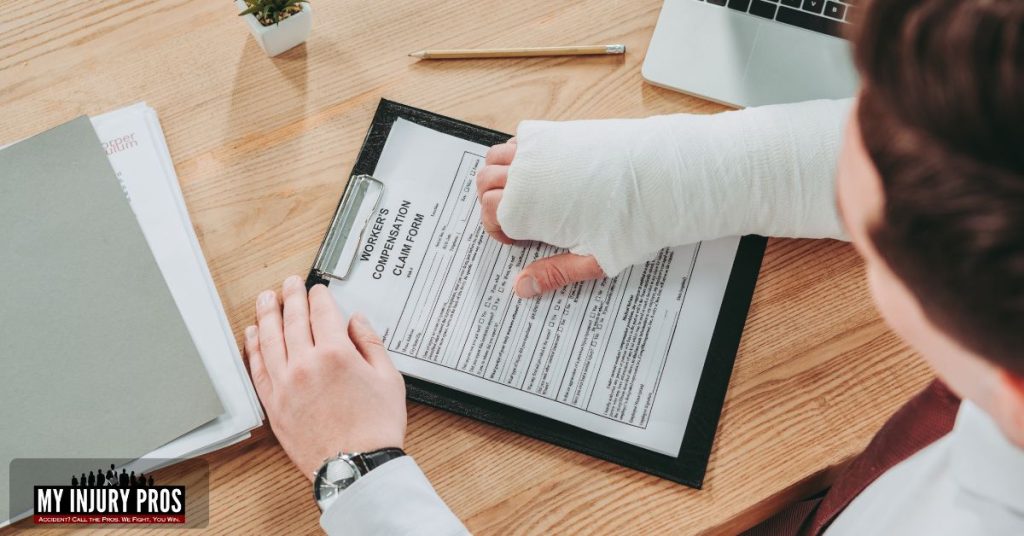
The amount of time you have to file a slip and fall claim is governed by what’s known as the statute of limitations, which varies by state. In most states, this time limit ranges from one to three years from the date your workplace injuries were sustained. Failing to file within this window typically means losing your right to workers' compensation, regardless of how valid your claim may be. It’s important to check the specific laws in your state, as deadlines can differ significantly.
Generally, the clock starts ticking on the date the slip and fall accident occurred, but there are situations where the timeline may be different. For example, if the fall injury wasn’t immediately apparent, such as a delayed diagnosis of a concussion or internal injury, the statute of limitations might begin from the date the injury was discovered or should have reasonably been discovered. This is known as the “discovery rule” and can apply in cases where symptoms or damage are not instantly clear.
Filing early is always advisable, not just to ensure you meet the legal deadline but also to preserve crucial evidence, such as surveillance footage, eyewitness accounts, and hazard documentation. Additionally, some exceptions may extend the filing period, such as if the injured person is a minor or legally incapacitated at the time of the accident. However, these exceptions are limited, so consulting an attorney as soon as possible is the best way to protect your rights and build a strong case.
Quick action after a slip and fall at work is crucial for both your well-being and legal protection. Seeking prompt medical attention ensures that injuries, even those that appear minor at first, are properly diagnosed and treated. Communicating the incident promptly and documenting the scene helps preserve vital evidence, while understanding your rights ensures you don't miss out on compensation or benefits you're entitled to.
If you're unsure about the process or if your claim is denied or delayed, don't hesitate to seek professional help. Consulting with a workers' compensation lawyer can provide valuable guidance and support, helping you navigate the complexities of the claims process and ensuring your rights are fully protected.
Have you slipped and fallen at work? At My Injury Pros, we specialize in helping victims of slip and fall accidents get the compensation they deserve. Our experienced team of personal injury attorneys is ready to guide you through the complex process. Take the first step toward your recovery. Contact us for a free case evaluation today!
No, you cannot legally be fired for reporting a slip and fall, as doing so is considered protected activity under workplace safety and retaliation laws.
If you didn’t report the injury right away, you may still have a valid claim, but it could be harder to prove, so it's important to document everything and seek legal advice promptly.
In most cases, you cannot sue your employer directly for a slip and fall if they have workers’ compensation insurance, but you may be entitled to benefits through that system.
If a third party was responsible for your slip and fall, you may be able to file a separate personal injury lawsuit against them in addition to receiving workers' compensation.
You may feel fine initially, but it's important to monitor for symptoms like pain, dizziness, or swelling and seek medical evaluation to rule out hidden injuries.
Work-related injuries are physical or mental harms that occur due to job duties or workplace conditions. Time limits, called statutes of limitations, are important because missing them can permanently prevent you from suing or receiving compensation.
To sue for work-related injuries, you typically have 1 to 3 years from the exact date of your workplace injury to file a lawsuit, depending on your state’s laws. If you miss the deadline, the worst-case scenario is losing your right to file a claim entirely, no matter how strong your case is.
Have you been injured at work and are unsure of your next steps? At My Injury Pros, we specialize in helping workers navigate the complex world of work-related injuries, ensuring you receive the compensation you're entitled to. Whether you're dealing with a slip and fall, repetitive strain injury, or any other work-related accident, our experienced team is here to guide you through the process of your workplace injury claim. Let us help protect your rights and get the compensation you deserve. Don’t wait, contact us today for a free consultation!
This blog will explore how much time you have to sue for a work-related injury, why deadlines matter, and what can happen if you miss them.

A workplace injury is any physical, mental, or emotional harm that occurs while performing job duties or as a result of the work environment. These injuries can happen on-site, during work-related travel, or even off-site if the task is job-related. They include sudden accidents like falls, equipment malfunctions, and long-term conditions caused by repetitive tasks or ongoing exposure to harmful conditions. Mental and emotional injuries, such as anxiety or PTSD from a traumatic work incident, may also qualify depending on the circumstances.
Common examples of workplace injuries include slip and fall accidents, construction site injuries, repetitive motion injuries like carpal tunnel syndrome, and back injuries from heavy lifting. Office workers may suffer from strain injuries, while those in industrial or labor-intensive jobs face higher risks of serious injury from accidents. In some cases, even workplace stress or exposure to toxic and harmful substances can lead to conditions considered work-related. Understanding what qualifies as a work-related injury is the first step in knowing your rights and options to receive workers' compensation benefits.

A statute of limitations is a legal time limit within which you must take action, such as filing a work injury lawsuit or claim. It is considered the personal injury claim deadline. In the context of workers' compensation, the statute of limitations ensures that claims are filed promptly, helping both the injured party and the employer manage the legal process efficiently. It prevents indefinite liability for employers and ensures that evidence is fresh and witnesses are available, which is critical to a fair case.
In work-related injury cases, the statute of limitations serves to protect employers from facing claims long after an incident, which could lead to lost evidence and unreliable testimonies. For workers, it encourages prompt reporting and action and helps to make sure that they don’t miss out on critical workers' compensation settlements. Each state has different deadlines, but in general, you must notify your employer of the injury within 30 days and file your workers’ comp claim within 1 to 2 years from the date of the injury or discovery of the injury.
It’s important to report injuries immediately, even if they seem minor, to avoid missing the critical deadlines. Failing to do so could result in losing your right to file a claim or receive compensation. By acting quickly and understanding the statute of limitations, you can better protect your rights and ensure you don’t miss out on benefits you deserve.
The Discovery Rule is an exception to the statute of limitations that allows the clock to start ticking later if the injury wasn’t immediately apparent. This is particularly relevant for latent injuries or illnesses, such as repetitive stress injuries, or conditions like cancer that develop over time. If you didn’t realize the injury was serious until months or even years later, the discovery rule may allow you to file a workers' compensation claim beyond the discovery phase or standard time frame.
Minors or legally incapacitated individuals are also given extended deadlines due to their inability to fully understand or manage their legal rights. In these cases, the statute of limitations may be paused or extended until the person reaches legal adulthood or regains the capacity to act on their own behalf. This ensures that vulnerable workers still have the opportunity to pursue claims once they can do so.
Additionally, if an employer fraudulently conceals the injury or fails to inform you of your rights, the deadline may be extended to account for this misconduct. Some jurisdictions have also introduced COVID-related exceptions. These extensions provide extended filing deadlines due to the impact of the pandemic. In these cases, workers may be allowed extra time to file claims due to the disruptions caused by COVID-19, such as difficulties in accessing medical care or filing paperwork.
A third-party lawsuit involves suing someone other than your employer for a work-related injury. This could include equipment manufacturers, property owners, or other entities whose negligence contributed to the injury. For example, if a defective machine caused your injury, you may have grounds to sue the manufacturer. These types of lawsuits are separate from workers’ compensation claims and allow you to seek additional damages that workers' comp benefits might not cover, such as pain and suffering.
The statute of limitations for suing a responsible third party in personal injury lawsuits is generally 2 to 3 years from the date of the injury and varies depending on the state. This means that if you plan to pursue a third-party lawsuit, it’s essential to act quickly, as missing the deadline could result in losing your right to sue. It’s important to understand that while workers' comp has its deadlines, third-party claims come with separate time frames that must be adhered to.

If you miss the statute of limitations, your case may be dismissed. This means you lose the legal recourse to sue. Once the deadline expires, courts won’t allow your case to proceed, even if you have a valid claim. This is why it's crucial to file your lawsuit or workers' compensation claim within the required time frame.
The consequences of missing the statute of limitations go beyond losing the ability to sue. You may also lose out on compensation for medical bills, lost wages, and other damages. Additionally, missing deadlines can prevent you from pursuing workers’ compensation benefits, leaving you without a financial safety net for your injury.
It’s important to contact a personal injury lawyer as soon as possible after a work-related injury to ensure you meet the statute of limitations deadlines. A personal injury or workers' compensation lawyer can help you navigate the complex legal process and ensure that all necessary steps are taken when they should be. Waiting too long to reach out could risk missing important filing deadlines, so getting legal advice early on is essential to protecting your rights.
Lawyers play an important role in managing your claim by helping you file workers' compensation claims or lawsuits within the legal time frame. They will gather the necessary evidence, such as medical records, accident reports, and witness statements, and handle the legal paperwork. With their expertise, you can rest assured that your case is being handled correctly and on time, increasing your chances of receiving the compensation you're entitled to.
Many lawyers offer free initial consultations to discuss your case and assess whether you have a valid claim. Additionally, most personal injury and workers' compensation lawyers work on a contingency fee basis, meaning they only get paid if you win your case. This arrangement ensures that you can pursue legal action without the upfront costs, making it easier for you to get the help you need while staying within the statute of limitations.

After a workplace injury, your first step is to notify your employer in writing as soon as possible. This ensures there’s a formal record of the incident and is important for any future claims. Next, make sure to seek medical treatment, even if the injury seems minor. Also, keep detailed records of all treatments and visits. Documenting your work injury treatments and medical expenses can help support your case if you need to file a workers' compensation claim or a lawsuit.
It’s also important to document the scene of the accident where the injury occurred. Take photos if possible, and gather witness information from anyone who saw the incident. Also, seek legal counsel to understand your rights and options, especially if the work injury is serious or your employer isn’t cooperating. An attorney can guide you through the process and ensure you receive the compensation you're entitled to.
In most cases, workers cannot directly sue their employers for work-related injuries due to workers' compensation laws which give employers immunity. These laws provide a no-fault system where employees are entitled to compensation for medical expenses, lost wages, and other related costs without needing to prove negligence on the part of the employer. In exchange for this benefit, workers generally waive the right to file a lawsuit against their employer for the injury. If a worker, however, decides to pursue litigation in a personal injury case, it’s important to understand the legal process and the potential challenges that may arise during your legal claim.
Workers' compensation is typically the only remedy for on-the-job injuries, meaning that it is the primary and most direct way to seek compensation. While this system offers benefits like quicker access to medical care and financial support, it also limits the ability to pursue a lawsuit against the employer. However, in certain circumstances, such as cases of employer fraud or intentional acts that cause harm, an employee may be able to file a lawsuit outside of workers' compensation, but these situations are rare.
While workers’ compensation is typically the only remedy for work-related injuries, there are exceptions where you may be able to sue your employer directly. These exceptions include cases of gross negligence, where the employer’s actions were egregiously reckless, or intentional harm, such as deliberately causing harm to the employee.
Additionally, if your employer does not carry workers' compensation insurance, you may be able to file a personal injury lawsuit against them for damages. These exceptions allow injured workers to seek more extensive compensation than what workers' compensation might provide.
Injury claims are highly time-sensitive, as each state has strict deadlines for filing lawsuits or workers' compensation claims. Missing these deadlines can result in losing your right to seek compensation, leaving you without the financial support you may need for medical bills and lost wages.
To protect your legal rights and ensure you don’t miss out on potential compensation, it’s crucial to act promptly. Reporting your injury and consulting with a lawyer as soon as possible can help you navigate the process within the required time limits, giving you the best chance of success.
Injured at work? At My Injury Pros, we’re here to help you get the compensation you deserve. Let us guide you through the process. Contact us today for a free case evaluation!
If you didn’t realize the injury was serious right away, you may still have time to sue, as the deadline often starts from the date you discovered, or reasonably should have discovered, the injury.
In most cases, accepting workers’ compensation means you waive the right to sue your employer, but you may still be able to file a lawsuit against a third party who contributed to your injury.
If your employer doesn’t have workers’ comp insurance, you may be able to sue them directly for your work-related injury and seek full compensation through a personal injury lawsuit.
Yes, you can still sue for a work-related injury after quitting or being fired, as long as you file within the legal time limit.
The average workers’ comp settlement varies widely based on factors like the severity of the injury and state laws, but it typically ranges from a few thousand to several hundred thousand dollars.
A personal injury claim is a legal process where someone seeks compensation for damages they suffered due to someone else's negligence or wrongdoing. The process starts with filing a claim and gathering evidence to support the case. Most people think all personal injury cases end up in court, but that’s rarely the case.
Many personal injury cases do not actually go to trial. About 95% of cases settle before reaching court. The main reasons for this are the high costs, the lengthy process, and the uncertainty of trial outcomes.
How many personal injury cases make it to trial? The truth is, the vast majority, around 95%, settle before ever reaching a courtroom. At My Injury Pros, our experienced attorneys know when to push for a fair settlement and when going to trial is in your best interest. Let’s review the best path forward for your case. Contact us today for a free consultation!
In this post, we'll explore what percentage of personal injury cases go to trial, the factors that influence this, and why most cases are settled before reaching court.

The percentage of personal injury cases in the United States that are resolved through settlements before they reach trial is approximately 95% to 96%. This leaves only about 4% to 5% of the cases to proceed to court. This trend is largely due to the time, cost, and unpredictability associated with trials, which often motivate both parties to seek a mutually agreeable settlement.
The likelihood of a case going to trial can vary depending on the type of personal injury involved. For instance, medical malpractice cases have a higher trial rate, with nearly 8% reaching the courtroom, compared to automobile accident cases, where about 3% proceed to trial. These differences are often due to the complexity of the evidence and the challenges in establishing liability in certain types of cases.
Additionally, trial rates can differ across jurisdictions. For example, in Florida, approximately 3% to 5% of personal injury cases go to trial. Local laws, court procedures, and the legal culture within a jurisdiction can influence whether personal injury claims are more likely to settle or proceed to trial.
The odds of winning a personal injury lawsuit depend on several factors. Generally, most cases are resolved before ever reaching trial. According to national justice statistics, about 95 out of 100 cases are settled before going to trial, with only about 5% proceeding. This is largely due to the time, cost, and uncertainty that are associated with personal injury lawsuits.
People who go to trial with their personal injury claims win about half the time, sometimes a bit more. In terms of securing compensation, financial settlement amounts tend to be lower on average compared to jury verdicts. While settlements offer guaranteed and faster payouts, trial awards are more favorable settlements but come with more risk.
The likelihood of winning a case also varies significantly depending on the type of personal injury involved. vehicle accident claims, for instance, tend to have higher success rates, with many being resolved in favor of the injured party due to clear liability and straightforward evidence like police reports and medical records.
Slip and fall cases are more challenging, with success often hinging on proving negligence, which can be more subjective. Medical malpractice claims are among the hardest to win. Success rates at trial hover around 20% to 25% for plaintiffs and are largely due to the legal complexities of medical evidence and the need for expert testimony.
Several significant factors can increase the likelihood of a personal injury claim going to trial. One of the most common issues is disputed liability. When the parties involved cannot agree on who is at fault for the injury, the case becomes much harder to resolve through negotiation. For example, if the defendant denies responsibility or claims the injury victim contributed to the accident, a settlement agreement becomes unlikely unless one side concedes. Without clear evidence of fault, the case may require a judge or jury to determine liability.
Disagreements over the value of damages also often lead to a trial. Insurance companies may contest the severity of suffered injuries, the necessity of medical treatments, or the amount of emotional distress or pain and suffering involved. This is especially true in high-dollar claims where the financial stakes are significant.
If the settlement offer falls far short of what the injury victim believes is fair, going to trial may be the only way to pursue full compensation. Bad faith insurance practices, such as delaying claims, denying legitimate injuries, or offering unreasonably low settlements, can also push a case into litigation.
In some cases, personal motivations and strong legal representation play a role in pursuing a trial. Plaintiffs may feel driven by principle, seeking public accountability or wanting to set a legal precedent, particularly in cases involving negligence by corporations or institutions.
A determined and experienced personal injury attorney may also advise trial when the facts and evidence strongly support the client’s case. While most cases settle, these factors can push a case toward going to court instead.

If your personal injury case goes to trial, it means that a settlement couldn’t be reached, and a judge or jury will now decide the outcome. Trials can be more time-consuming and complex, but they also offer the potential for higher compensation if your case is strong. If you understand what to expect during each phase of the litigation process, it can help you prepare and make informed decisions.
The pre-trial phase begins with case evaluation. Your attorney would first review the strengths and weaknesses of your claim, including who’s at fault, the available evidence, and the potential value of your compensation. This evaluation helps determine whether going to trial is a strategic move or if settlement might be the better route.
Next is the discovery phase, where both parties exchange evidence, take depositions, and collect witness testimonies. This stage ensures both sides are fully informed and prepared for trial. Finally, your attorney will formally file the lawsuit and may submit motions to resolve legal issues or limit what can be presented during the trial.
The trial begins with jury selection, known as voir dire. Both legal teams work to choose impartial jurors who will fairly evaluate the case. Once the jury is selected, each side delivers opening statements to outline their version of the facts and set the stage for the evidence to come.
During the main phase of the trial, both parties present their evidence. Evidence could include documents, expert opinions, and witness testimonies. Cross-examination follows, allowing each side to challenge the credibility of the other's witnesses. The trial concludes with closing arguments, where attorneys summarize their key points and make a final appeal to the jury before deliberation begins.

After both sides present their cases, the jury begins deliberation. They review all the evidence and arguments in private to reach a verdict. This process involves thorough discussion and usually requires either a unanimous or majority agreement, depending on the jurisdiction.
The verdict in a personal injury case determines whether the defendant is liable and, if so, what compensation the plaintiff should receive. If the jury rules in favor of the plaintiff, they may award damages covering medical bills, lost wages, pain and suffering, and other related losses.
After reaching a verdict, either party can appeal if they believe legal errors affected the outcome. An appeal asks a higher court to review the case, which can potentially overturn or modify the original decision.
If the plaintiff wins but the defendant doesn’t pay the awarded damages, legal steps such as wage garnishment or property liens may be used to enforce the judgment. Additionally, a case can still settle during trial if both sides see an advantage in avoiding further uncertainty or cost.
Most personal injury cases settle before trial because trials can take a long time, cost a lot, and the outcome isn’t always clear. Going to court is a high-stakes gamble for both sides. Even strong personal injury claims can lose in the trial due to misinterpreted evidence or jury bias. This makes the control and predictability of a settlement more appealing.
Trials also take a long time and often stretch over months or years. This delays compensation for injured parties who may be facing urgent financial needs. Settlements offer a faster resolution and allow victims to move on more quickly. Insurance companies also prefer to settle, as it helps them avoid the risk of large jury awards and public scrutiny. All these factors make settlement the more practical route in most personal injury claims.

An experienced attorney can help you decide if it’s better to settle or go to court. A good lawyer can assess the strength of your case, explain the risks and benefits of each option, and help you understand what you might recover through settlement versus trial. Also, knowing what questions to ask a lawyer, like your chances of winning, potential costs, and timelines, can help you make an informed decision.
Your personal goals and risk tolerance also matter. Some people value the certainty of a settlement, while others are willing to risk a trial for a potentially larger payout. If the fault is clear and the damages are strong, a trial may be worth it. However, if the fault and damages are not clear, then settling might be safer. In the end, the right path depends on both the legal details of your case and your comfort with the risks involved.
The type of case and the specific circumstances involved determine how much compensation you can expect from a personal injury settlement negotiation. For example, minor car accident claims or slip and fall cases might settle for a few thousand dollars, while more serious cases involving severe injuries, permanent disability, or wrongful death can reach hundreds of thousands or even millions. Factors like medical expenses, lost income, pain and suffering, property damage, and long-term care needs all play a role in determining the final amount.
One of the most important influences on your settlement is the strength of your case. Clear liability, detailed medical documentation, and strong supporting evidence can significantly boost the value of your personal injury claim. If your case is strong and backed by good evidence, insurance companies are more likely to offer more money. Conversely, weak or incomplete evidence can lead to lower offers or even a denied claim.
Negotiation also plays a crucial role in the settlement process. Even if the initial offer from the insurance company seems low, skilled negotiation can result in a significantly higher payout. This is where an experienced personal injury attorney becomes especially valuable. A knowledgeable lawyer understands how to present your personal injury claims effectively, counter lowball offers from insurance companies, and push for a favorable outcome in the settlement negotiations that fully reflects your damages.
To increase your chances of winning a personal injury case, one of the most important steps you can take is working with legal professionals. A skilled personal injury lawyer understands how to build a compelling case, negotiate effectively with insurance companies, and prepare for trial if necessary.
From handling the paperwork, talking to witnesses, and getting input from doctors, legal representation makes certain that no detail is overlooked. Personal injury attorneys also help you understand the value of your claim and protect you from accepting low personal injury settlement offers. They give you a better chance at securing fair financial compensation.
Another critical factor is gathering strong evidence to support your claim during the litigation process. This includes medical records, photographs of injuries sustained or the accident scene, police reports, witness statements, and documentation of lost income or other financial damages. The more detailed and organized your evidence, the harder it becomes for the at-fault party to dispute your claim.
It’s also important to stay prepared for a potentially lengthy legal process. Personal injury cases can take time, and patience is key. Being patient, sticking to your treatment plan, communicating with your personal injury lawyer, and keeping realistic goals can help your case.
A vast majority of personal injury disputes are resolved through settlements rather than courtroom trials. Settling is often faster, less expensive, and provides a guaranteed outcome. This makes it a practical option for both plaintiffs and defendants.
However, some cases do proceed to trial, especially when liability is disputed or settlement offers are too low. In these situations, a trial may be necessary to pursue fair compensation and hold the responsible party accountable.
Did you know most personal injury cases settle before trial? At My Injury Pros, our experienced team of personal injury attorneys helps you understand your options and fight for the best possible outcome, whether through settlement or trial. Schedule your free case evaluation today!
Workplace accidents, especially slips, trips, and falls, happen more often than you might think. They affect millions of workers each year across all industries. These incidents can lead to serious injuries and lost wages, even from what seems like a simple misstep. Knowing your rights right after a fall is important because how you respond can determine whether you receive healthcare, compensation, and job protection.
If you fall at work, your rights include essential benefits like medical treatment, wage replacement, and disability support without needing to prove fault. Workers' compensation protects both workers and employers by offering a faster and more predictable alternative to lengthy lawsuits.
Did you slip and fall at work and aren’t sure what to do next? At My Injury Pros, we help you understand your rights and pursue the compensation you deserve. Slip and fall accidents can lead to serious injuries and unexpected expenses, but you don’t have to face the legal process alone. Our team knows how to prove negligence, navigate insurance challenges, and fight for maximum recovery. Let us help you take the first step toward justice and financial relief. Contact us today for a free consultation.
In this blog, you'll learn what your legal rights are after a workplace fall, including how to report the injury, seek healthcare, file for workers’ compensation, and protect yourself throughout the process.

If you fall at work, it’s important to understand your legal rights and protections under workplace safety and workers’ compensation laws. Knowing these rights ensures you get the care and support you need during recovery and protects you from unfair treatment.
Preventing Falls at Work
Preventing workplace injuries starts with the responsibility of the employer to maintain occupational safety for employees. This means making sure that proper safety standards are met. When the work environment is safe, the risk of falls is greatly minimized and reduces the likelihood of injury.
Right to Workers’ Compensation
If you fall and get injured at work, you are eligible for workers’ compensation benefits. This includes medical costs, wage replacement, and disability benefits. This compensation is available regardless of who was at fault for the accident.
Right to Report the Injury
It’s essential to report the workplace slip and document it immediately. By notifying your employer as soon as the injury occurs, you protect your legal rights and ensure that your injury is recorded. Failure to report the fall on time may complicate the claims process. This could potentially affect your ability to receive compensation.
Right to Medical Care
If you are injured in a fall at work, you have the right to seek immediate medical attention. Your employer should cover the cost of medical treatment through state workers' compensation board, within the guidelines established by your state. This coverage typically includes doctor visits, hospital bills, surgery, and rehabilitation costs, depending on the severity of your injury.
Right to Return to Work Safely
In many cases, if you’re able to return to work, you have the right to do so under modified duties or light duty. Employers must make reasonable accommodations to help you return to your role while you recover. This ensures that you are not pushed to perform tasks that could worsen your injury, giving you time to heal while maintaining your employment.
Protection Against Retaliation
Employers cannot retaliate against you for reporting an injury or filing a workers’ compensation claim. Retaliation can include things like termination, demotion, or any form of punishment. If your employer takes such actions against you, it may be grounds for a lawsuit, and you have the right to seek legal redress.
Right to Privacy
After a workplace injury, your medical records should be kept private. Employers can only ask for information related to your injury to the extent necessary for the workers' compensation claim. They are not entitled to access details about your medical history beyond what is relevant to the claim.
Right to Appeal Denied Claims
If your workers' compensation claim is denied, you have the right to appeal the decision. Each state has a workers' compensation board that oversees claims. If you believe the denial is unjust, you can file an appeal and present your case for reconsideration.
Right to Legal Representation
Navigating workers' compensation claims can be complex, and sometimes employers or insurance companies may attempt to deny claims or offer insufficient compensation. In such cases, you have the right to seek legal representation. A workers' compensation lawyer can help you understand your rights, assist with the claims process, and advocate on your behalf, especially if you believe your rights have been violated or the claim is complicated.

Workers’ compensation is a system of insurance that provides financial and medical benefits to employees who are injured or become ill due to their job. It is designed to protect both workers and employers by offering a structured way to handle workplace injuries without the need for lengthy lawsuits.
When an employee is hurt while performing job-related duties, they are entitled to seek fair compensation for their medical bills and lost wages, regardless of who was at fault. Each state in the U.S. has its own workers’ compensation process, but the general purpose is the same: to ensure that injured employees receive timely assistance while protecting employers from direct legal liability.
There are several core benefits included in most workers’ compensation programs. First, medical treatment coverage ensures that injured employees receive the care they need to recover. This includes doctor visits, surgeries, rehabilitation, and medications. Second, wage replacement benefits offer partial income for time lost at work due to the injury, usually calculated as a percentage of the worker’s average weekly wage.
Also, disability compensation benefits are provided if the slip and fall accident leads to severe injuries or permanent disability, such as traumatic brain injuries.
If you fall at work, you may be eligible for workers’ compensation as long as certain conditions are met. Generally, you must be classified as an employee rather than an independent contractor unless your state provides coverage for contractors under specific circumstances. The slip and fall accident must have occurred while you were performing job-related duties, and the injury must have taken place at your workplace or an authorized job site, including off-site locations if the task was part of your job. Both full-time and part-time employees are typically covered under workers’ compensation laws.
Eligibility depends on your state’s laws, so it’s wise to check local rules or consult an experienced personal injury attorney. Personal injury claims may be denied if the injury involved intoxication, drug use, or horseplay. To protect your rights, report the slip and fall injury right away and seek legal advice if you’re unsure about your eligibility.
A fall at work can be a serious event. Acting quickly and following the proper steps can protect your health and your legal rights. Whether you slipped on a wet floor, tripped over equipment, or fell from a height, the actions you take right after the incident can significantly impact your ability to receive workers’ compensation benefits and recover fully. Here’s a step-by-step guide on what to do immediately after a workplace fall.

The first step is to report the incident to your supervisor or human resources department as soon as possible. Timely notification is important because failing to report the injury early can put your workers' compensation claim at risk. Submit a detailed written notice using your employer’s incident report form or by sending an email. Include the time and date of the fall, the exact location, how the fall happened, and any visible injuries. Clear, accurate documentation from the start strengthens your claim and helps prevent disputes later.
Get Medical Attention, Even If You Feel Okay
Pursue medical treatment immediately after a slip and fall incident, even if you think the injury is minor. Some injuries, like concussions and internal bleeding may not show symptoms right away. Your employer may require you to visit a specific medical provider approved by their workers’ compensation insurance, so check with your HR department if possible. When speaking with medical professionals, be honest and consistent in explaining how the injury occurred. Ask for a written medical report that links your condition directly to the workplace fall accident, as this documentation is critical to your claim.
Document the Scene of the Fall
If you're able, gather evidence from the scene right after the fall. Take photos or videos of the area, such as a wet floor, uneven surface, poor lighting, or missing safety signage. Keep any physical evidence that could support your slip and fall claim, like torn clothing or damaged equipment. Write down your account of what happened while the details are still fresh in your mind. If anyone witnessed the fall, try to get their names and brief statements. Their statements may help corroborate your story later on.
File a Workers’ Compensation Claim
Once you’ve reported the incident and received medical attention, the next step is to formally file a workers’ compensation claim. Ask your employer for the correct forms to initiate the process, as they vary by state. For example, in California, you would complete and submit the DWC-1 form. Many states require filing within 30 days of the job injury, so make sure to meet all deadlines. Always keep a copy of everything you submit, including claim forms, medical reports, and correspondence with your employer or insurer.
Contact an Experienced Workers’ Compensation Attorney
Finally, consider speaking with a workers’ compensation attorney, especially if your claim is denied, your injuries are severe, or you feel your employer is not acting fairly. An experienced personal injury attorney can help you understand your rights, gather the necessary evidence, and navigate complex legal procedures. Legal guidance can be invaluable in ensuring you receive the full benefits you're entitled to after a workplace fall.

If you fall at work and suffer an injury, your ability to sue your employer is generally limited due to what’s known as the workers’ compensation exclusivity rule. In most states, workers' compensation is the primary and only legal remedy for job-related injuries. This system allows employees to receive benefits such as seeking medical care and receiving partial wage replacement without having to prove fault. However, in exchange for these guaranteed benefits, workers usually give up the right to sue their employer for personal injury in civil court.
The workers’ compensation system was designed to streamline the injury claims procedure while protecting employers from costly and unpredictable lawsuits. If you fall while performing your job duties, your employer’s insurance should cover your medical expenses and lost income. But in most cases, you cannot file a personal injury lawsuit against your employer, even if you believe they were negligent. This is because workers' compensation is considered an exclusive remedy, meaning it replaces the right to sue in court.
There are exceptions to this rule, and under certain conditions, you may have the right to sue. For example, if your employer acted with gross negligence or intentional misconduct, such as knowingly exposing you to dangerous conditions or failing to correct a serious safety hazard, you might be able to file a lawsuit.
Additionally, if a third party's negligence (such as a subcontractor, equipment manufacturer, or another business on the job site) played a role in causing your fall, you could potentially pursue a separate personal injury claim against that party, even if you’re receiving workers’ comp benefits.
Imagine your employer is aware of a broken handrail on a stairwell but repeatedly ignores employee complaints. If you fall because of that neglected hazard, and it can be shown that your employer acted with willful disregard for safety, you may have grounds for a lawsuit. Another example might involve an employer knowingly exposing workers to unsafe scaffolding or forcing employees to work in violation of safety regulations. In such extreme cases, courts may allow claims beyond workers' compensation.
If you suffer a work-related injury, it’s important to act quickly to protect both your health and preserve your legal rights. One of the most important things to understand is that strict time limits apply to reporting injuries and filing claims, and missing those deadlines can cost you access to fair compensation.
Time Limits for Workers’ Compensation Claims
Most states require employees to report injuries sustained at work to their employer within a short period, often within 30 days of the incident. However, the exact time frame varies by state and sometimes by the nature of the injury. Failing to report the injury within this window can result in the denial of your workers’ compensation claim. Even if you believe the injury is minor, it's best to report it as soon as possible.
Statute of Limitations for Personal Injury Lawsuits
In some cases, you may be able to file a personal injury lawsuit against your employer or a third party, especially if workers’ compensation does not apply or if there was gross negligence. These lawsuits are also governed by a legal deadline known as the statute of limitations. Generally, this time limit ranges from 1 to 3 years, depending on your state. It’s important to consult an attorney as soon as possible to ensure you file within the correct time frame.
Consequences of Missing Deadlines
Missing a deadline, whether it’s for reporting your injury or filing a claim, can have serious consequences. If you don’t report your injury in time, you may lose your right to collect workers’ compensation benefits, including coverage for medical bills and lost wages. Similarly, if you miss the statute of limitations for filing a lawsuit, you may be permanently barred from seeking any legal recovery. These time limits are strictly enforced, so it’s essential to take immediate action after a workplace injury to protect your rights and maximize your chances of receiving compensation.

To prove your employer was negligent in a slip and fall case, you need to show they knew about the hazard and failed to take action. This can include evidence like past complaints from employees, incident reports, or other documentation showing the employer was aware of the danger but did nothing to fix it or warn others.
Gathering clear, timestamped photos or videos of the hazard is important. This visual evidence helps establish that the dangerous condition existed and wasn’t properly addressed. You also need to prove that your fall could have been prevented with simple safety measures like cleaning spills, putting up warning signs, or repairing damaged areas.
Also, you must demonstrate that the employer did not take reasonable steps to maintain a safe environment. If they failed to inspect the workplace regularly, ignored maintenance, or lacked proper safety protocols, it supports your negligence claim. Acting quickly and documenting everything can strengthen your case, and consulting a personal injury attorney can help protect your rights.
Acting quickly and documenting everything after a workplace injury is crucial to protect your rights, ensure a strong workers’ compensation claim, and avoid delays or denials so don’t hesitate to seek professional guidance if you’re unsure about any part of the process.
Injured in a slip and fall? At My Injury Pros, we bring experience, trust, and results to every case, helping you understand your rights and fight for the compensation you deserve. Let us help you take action. Reach out now for a free consultation!
No, it is illegal for your employer to fire you in retaliation for filing a workers’ compensation claim.
To get compensation for a work injury, report the injury to your employer promptly, seek medical attention, and file a workers’ compensation claim through your state’s system.
The cost of a workers’ compensation injury varies widely depending on the severity, but it can range from a few thousand dollars for minor injuries to over $100,000 for serious cases.
Supplemental Nutrition Assistance Program (SNAP) is the largest anti-hunger program in America. It offers monthly food assistance to low-income individuals and families based on income, assets, and household size. However, personal injury settlements can raise concerns because they may increase income limits or assets, and potentially affect eligibility for benefits.
Yes, a personal injury settlement affects your food stamps (SNAP benefits) depending on how the settlement is classified. If you receive a lump sum, it may be counted as income or an asset and could push you over eligibility limits. However, structured settlements or placing funds into a Special Needs Trust might help protect your benefits.
Worried that your personal injury settlement could cause you to lose your food stamp benefits? At My Injury Pros, we specialize in navigating the complexities of how settlements affect SNAP eligibility. Our experienced personal injury attorneys can help structure your settlement to minimize its impact and ensure you retain the support you need. Don’t risk losing your benefits. Protect both your settlement and your food stamps. Contact us today for a free consultation!
This post will explore how a personal injury settlement can impact your food stamps (SNAP benefits) and what steps you can take to protect your eligibility.

The Supplemental Nutrition Assistance Program (SNAP) is a federal initiative designed to help low-income individuals and families afford nutritious food. SNAP provides monthly benefits through an Electronic Benefit Transfer (EBT) card, which can be used to purchase eligible food items at authorized retailers. This needs-based program plays an important role in reducing hunger, boosting food security, and supporting local economies by directing federal funds to grocery stores and food suppliers. It serves millions of Americans each year and is a key component of the nation’s social safety net.
Understanding how changes in your financial situation may affect SNAP benefits is important. Depending on the nature and amount of the settlement, it could be considered income or an asset, and potentially affect eligibility of federal government benefits. For example, a large lump-sum payment might exceed the program’s financial thresholds. However, with proper planning, including placing the settlement money into a special needs trust, it is possible to maintain eligibility while still accessing the funds. Being aware of these factors helps recipients make informed decisions and avoid unintended disruptions in support.
SNAP benefits are primarily based on the total household's income and size. To satisfy conditions, a household must meet certain limited income standards, which are divided into gross and net income. Gross income includes all earned and unearned income, such as wages, unemployment benefits, and Social Security. Net income is calculated by subtracting allowable deductions, like housing and childcare expenses, from the gross income. Generally, households must have a gross income at or below 130% of the federal poverty line, and a net income at or below 100% of the poverty line.
In addition to revenue, SNAP also considers the value of a household’s assets. Assets include things like bank accounts, cash, and property not used as a primary residence. Most households must have assets under $2,750 to qualify, or $4,250 if at least one household member is elderly or disabled. However, many types of assets, such as retirement accounts and the family home, are excluded from this calculation.
Other factors that affect eligibility and benefit amounts include housing expenses, utility costs, child support payments, and medical expenses for elderly or disabled members. These deductions help reduce a household’s net income, which can increase the monthly SNAP benefit amount. By considering these various elements, the public assistance program strives to deliver a more precise reflection of a household’s true financial need.

A personal injury settlement is compensation awarded to an individual who has been harmed due to someone else’s negligence. These settlements are meant to cover losses such as medical bills, lost wages, and pain and suffering. The purpose is to help the injured party recover financially after an accident or injury.
Personal injury cases can arise from a variety of situations, including car accidents, slip and fall incidents, medical malpractice, or workplace injuries. The outcome often results in either settlement terms where payments are made over time, or a lump sum settlement, which is paid all at once.
The way a settlement is collected can affect SNAP entitlement. A lump sum payment may be counted as a resource or asset in the month it’s received, which could push a household over SNAP's asset limits. In contrast, structured settlements may be counted as revenue when payments are collected and can likely affect food stamp eligibility based on income thresholds.
SNAP requires recipients to report any changes in income or assets, including settlements. If not reported properly, it could result in overpayments or disqualification from the government assistance program. Knowledge of how a compensation affects your government benefits under SNAP rules is pivotal for retaining benefits while navigating financial recovery from a personal injury claim.

A personal injury settlement can affect your SNAP benefits depending on how it is classified, either as income or an asset. If you receive a full payment all at once, it may be counted as revenue in the month it's received and as an asset in the following months. This can have a temporary or long-term effect on your eligibility, depending on the size of the settlement and how quickly it is spent or allocated.
SNAP has strict asset limits, typically $2,750 for most households or $4,250 if someone is elderly or disabled. A large settlement could easily push you over these limits, potentially disqualifying you from receiving benefits. However, some assets, like a home or certain trusts, may be excluded if handled properly.
For example, someone who receives a $10,000 lump sum and deposits it into a standard savings account could lose their SNAP benefits due to excess assets. In contrast, another person who uses the funds quickly for medical bills or places them into a legally structured special needs trust may retain eligibility. Each case is different, so understanding how the settlement is treated and planning accordingly is essential to protecting your benefits.
Yes, it is possible to keep receiving food stamps after a personal injury settlement, but it depends on how the settlement is handled. Certain parts of a settlement, such as payments specifically meant to cover future medical expenses or pain and suffering, might be excluded from SNAP calculations. However, any unspent funds could still count as assets, which may affect your eligibility.
There are legal ways to protect settlement funds and maintain SNAP benefits. One common method is placing the money into a Special Needs Trust, which shelters the funds from being counted as personal assets for benefit purposes. Another option for individuals with disabilities is an ABLE account, which allows qualified expenses to be paid from the account without impacting SNAP eligibility.
It is vital to report any settlement to your local SNAP office. Failing to disclose the funds could result in overpayments or temporary disqualification. By being transparent and planning carefully, you can preserve your benefits while also making use of your settlement.
If you receive a personal injury settlement, it’s important to report the change to your local SNAP office right away. You’ll need to provide documentation showing the amount, type of settlement, and how the funds will be used or allocated. Prompt reporting helps avoid issues like overpayments or disqualification due to unreported changes.
If your benefits are reduced or denied as a result of a compensation, you have the right to appeal the decision. A personal injury attorney or benefits advocate can help you navigate the appeal process, present your case, and ensure the settlement is classified appropriately under SNAP rules.
If your SNAP benefits are permanently reduced or stopped, you can explore other public assistance options. These options include local food banks, Temporary Assistance for Needy Families (TANF), or Medicaid benefit programs. These resources can help fill the gap while you adjust your finances after receiving a settlement.

Hiring a personal injury attorney can help protect your SNAP benefits by guiding you on how different types of compensation from personal injury settlement funds can impact your eligibility. They can also assist in structuring your compensation to minimize its effect on your social security benefits, such as by using a Special Needs Trust or a structured settlement.
Also, personal injury lawyers can help you maneuver SNAP’s complex regulations, ensure proper reporting, and handle any appeals if your public entitlements are reduced. Their expertise can make the process smoother and make certain you retain the support you need while managing your settlement.
Receiving a personal injury settlement can impact your SNAP benefits, depending on how the funds are categorized and handled. Lump sum payments may count as income or assets, possibly affecting eligibility, while structured settlements or placing funds in a Special Needs Trust can help protect benefits. SNAP also considers other factors like housing costs and medical expenses, and it’s crucial to report any financial changes promptly to avoid issues.
To preserve both your settlement and your food assistance, proactive planning is necessary. A personal injury attorney can help you structure your settlement wisely, guide you through SNAP’s complex rules, and assist with appeals if needed. Always seek legal and financial advice to make informed decisions and ensure you maintain the support you rely on.
Concerned that your personal injury settlement could jeopardize your food stamp benefits? At My Injury Pros, our experienced personal injury lawyers specialize in helping you navigate the complexities of how compensations affect SNAP eligibility. We can structure your settlement to protect your benefits and ensure you don’t lose the support you need. Contact us today for expert advice and a strategy tailored to your situation!
Yes, you are required to report a personal injury settlement to SNAP, as it can impact your eligibility and benefit amount.
While a settlement may temporarily affect your eligibility, proper planning, such as using a Special Needs Trust, can help you retain your food stamp benefits.
If you've spent your settlement, you still need to report it to SNAP, but spending timing and usage may reduce its impact on eligibility.
Yes, you can reapply for food stamps after a settlement if your financial situation changes and you meet the eligibility requirements.
A structured settlement may affect your food stamps by counting as income when payments are received, but it can be managed to minimize its impact on eligibility.
Yes, medical expenses paid by a settlement can be deducted from your income for SNAP calculations, potentially reducing the impact on your benefits.
After a car accident, a major concern is the possibility of being sued personally for damages, especially if you were the at-fault driver. As the at-fault party, it is important to know whether you can be sued personally after a car accident and what other consequences might follow.
Yes, you can be sued personally for a car accident if you were at fault, lacked car insurance, or your insurance doesn’t fully cover the damages. In such cases, the injured party may pursue compensation directly from your assets.
Are you worried you might be personally sued after a car accident? At My Injury Pros, our experienced personal injury attorneys understand the legal risks drivers face and are here to protect your rights every step of the way. With a proven track record of defending clients from personal liability and securing fair outcomes, we provide the trusted guidance you need in stressful times. Don’t leave your future to chance. Contact us today for a free consultation!
In this post, we’ll explain when and why you can be personally sued for a car accident, what it means for your finances, and how to protect yourself.

Being sued personally means that someone is holding you, as an individual, legally responsible for causing harm, whether through a car accident, negligence, or other wrongful action. In legal terms, personal liability means your assets, such as your savings, home, or wages, could be at risk if the injured party wins the legal action. This differs significantly from situations where your own insurance company steps in to cover damages. In those cases, your insurer typically pays for the legal defense and any settlement or judgment, up to the insurance policy limits. However, if damages exceed your coverage or the incident isn’t covered, you could be sued personally to recover compensation.
Whether someone can sue you personally depends on several factors. If the injuries or damage are severe, the chances of being personally named in a personal lawsuit increase, especially if insurance coverage is limited or unavailable. State laws and local regulations also play a role, as some jurisdictions may place caps on damages or offer more legal protections.
Fault in a car accident is determined based on the circumstances of the crash and the applicable laws in the state where it occurred. In at-fault states, the driver who caused the accident is responsible for covering the other party’s damages, usually through their insurance. In no-fault states, each driver’s insurance pays for their medical expenses and lost wages, regardless of who caused the crash, though property damage may still be subject to fault rules. Understanding the state's fault system is essential, as it affects how claims are filed and whether you can sue the other driver for additional damages.
Police reports, witness statements, and physical evidence like skid marks, vehicle damage, and surveillance footage play a major role in determining fault. Insurance adjusters use this information to reconstruct the accident and decide liability.
In some cases, many drivers share responsibility, which brings comparative negligence into play. This legal principle reduces the compensation a driver can recover from an auto accident based on their percentage of fault. For instance, if you're found 30% at fault in a state with comparative negligence, your compensation would be reduced by 30%. Some states follow modified comparative negligence, where you may be barred from recovering damages if you're 50% or more at fault.

You can be sued personally after a car accident when your insurance coverage doesn’t fully protect you or when your behavior crosses legal boundaries. While insurance is designed to handle most claims, there are scenarios where the injured party can pursue fair settlement directly from your assets.
If the damages from an accident exceed your policy limits, the injured party can sue you personally for the remaining amount. For example, if your liability insurance covers $50,000 but the injured person’s losses total $100,000, they may sue you for the additional $50,000 not covered by your insurer.
Driving without insurance or with very limited coverage dramatically increases your risk of a personal lawsuit. Not only is it illegal in most states, but it also removes your first line of defense in a claim. Without an insurance company to cover damages or legal fees, you’re directly responsible for the costs, which can lead to wage garnishment or asset seizure.
Being a negligent driver or displaying reckless behavior, such as driving under the influence, excessive speeding, or engaging in road rage, can make you personally liable, even if you have insurance. In these situations, your insurer might deny coverage altogether, especially if your conduct violates the terms of your policy or state law.
If you cause an accident while driving a company vehicle or performing job-related duties, your employer may be held liable under vicarious liability laws. However, if you’re using your car for work without permission or acting outside the scope of your job, you could be personally responsible for any resulting damages or injuries.
Accidents involving wrongful death or catastrophic injuries often lead to high-stakes personal injury lawsuits. If insurance doesn’t fully cover the losses, courts may hold you personally liable for medical bills, monetary losses, emotional distress, and pain and suffering. These claims can result in significant financial consequences, including long-term debt or loss of personal assets.

Insurance plays a major role in personal injury cases by covering legal costs and compensating car accident victims up to the policy’s limits. Standard liability coverage, such as auto insurance policy, typically covers bodily injury and property damage if you’re found at fault. For added protection, umbrella insurance can provide extra coverage beyond the limits of your standard policy, helping shield your assets from large claims or judgments.
However, insurance isn’t always enough. If the damages exceed your insurance policy limits or if the incident isn’t covered, like intentional harm or criminal acts, you may be personally responsible for the remaining amount. In such cases, the injured party can pursue your assets to gain full compensation, and courts may allow wage garnishment or asset seizure to satisfy a judgment and help the victim recover compensation. Having adequate insurance is key to reducing this risk.
Being sued after a car accident can be stressful, but taking the right steps early can help protect your rights and limit your liability. From the moment the accident occurs, your focus should be on documenting the incident accurately, protecting your legal interests, and seeking professional guidance.
Call the police right away and ensure an official accident report is filed. When speaking with officers, provide clear and honest information, but avoid admitting fault. Always request a copy of the police report for your records, as it will be a key piece of evidence later.
Take detailed photos of all vehicle damage, visible injuries, and the road or weather conditions. Collect the names and contact info of witnesses and everyone involved in the crash. Also note traffic signs, signals, and any other details that could help explain what happened.
Contact your insurance provider as soon as possible to report the accident. Share only factual details, and avoid giving opinions or admitting fault. Cooperate fully, but don’t speak directly to the other driver’s lawyer or insurance adjuster without legal advice.
If you receive notice of a lawsuit, contact an attorney immediately. Share all related documents, including the police report, photos, and medical records. Your lawyer will guide you through the legal process, help you respond properly to the lawsuit, and work to protect your interests in any settlement negotiations.
If you’ve been sued after a car accident, you don't have to face it alone, get an experienced car accident attorney on your side. At My Injury Pros, we’ll help you understand your rights, protect your assets, and guide you through every step of the legal process. Let us fight for the best outcome for you. Contact us today for a free consultation.
The time someone has to file a car accident claim against you depends on the statute of limitations in your state. For personal injury cases, this period usually ranges from 1 to 4 years from the date of the accident. Insurance claims, however, often have much shorter deadlines, sometimes just days or weeks, so all parties need to act quickly. Missing these deadlines can result in the claim being denied or dismissed entirely.
Some exceptions can extend the filing period. For example, if injuries from the accident are not immediately apparent, the clock may start when the injury is discovered rather than the date of the crash. Similarly, in cases involving hit-and-run drivers, claimants may get extra time to identify the responsible party. Minors and individuals who are mentally or physically incapacitated at the time of the accident may also be granted an extended deadline to file.

Winning your car accident case often starts with smart preparation and knowing when to settle. Be open to proposed settlement negotiations. Many cases are resolved without going to court, which can save time, stress, and legal fees. Staying patient and organized is key. Keep track of all documents, medical records, repair bills, and communication with insurance companies to support your claim.
Also, avoid discussing the accident publicly, especially on social media, as anything you say can be used against you during legal action. Consult an experienced attorney for legal assistance as soon as you’re aware of a potential lawsuit. An experienced car accident attorney can guide you early on and help protect your rights. Most importantly, never admit fault at the scene or afterwards, even if you think you were the at-fault party. Liability is complex and should be determined through evidence, not assumptions.
After a car accident, it’s important to stay organized, avoid admitting fault, and consult a car accident attorney as soon as possible. Being open to settlement negotiations can save time and stress, but you’ll need strong documentation like medical records and repair bills to support your claim. Also, avoid discussing the accident publicly, especially online, as it can be used against you.
Understanding how insurance, liability, and state laws work can make a big difference in your case. Stay informed about your rights and responsibilities so you can protect yourself and make smart decisions if the injured party decides to pursue legal action. Knowing your best course of action is the only way to protect your future.
After a car accident, knowing your legal options and staying prepared can make all the difference. At My Injury Pros, we bring years of experience handling personal injury claims with a focus on protecting your rights. From gathering evidence to negotiating fair settlements, our team is here to guide you every step of the way with compassion and expertise. Don’t navigate the process alone. Contact us today for a free case evaluation!
Personal injury lawsuits in the U.S. allow individuals to pursue compensation for injuries sustained due to someone else’s negligence. A common misconception is that undocumented immigrants cannot file these claims or that doing so will automatically lead to deportation.
Yes, illegal immigrants can sue for personal injury cases under U.S. law. Immigration status does not affect a person’s right to seek compensation for injuries caused by someone else’s negligence.
Injured but afraid to take legal action due to immigration status? At My Injury Pros, we believe everyone deserves justice. Our experienced team of personal injury attorneys understand the challenges undocumented immigrants face and will protect your rights with full confidentiality. Get the compensation you deserve, safely. Contact us today for a free consultation.
This post will explain the legal rights of undocumented immigrants in personal injury cases, the types of compensation they can claim, and how they can safely navigate the legal system.

Undocumented immigrants in the U.S. have legal rights, especially in personal injury cases, as the law does not distinguish between citizens and non-citizens when holding wrongdoers accountable. The U.S. Constitution guarantees equal protection under the law for all individuals, regardless of immigration status, through the 14th Amendment. This protection ensures that no state can deny any person, including undocumented immigrants, equal legal treatment.
U.S. civil courts are open to all individuals, regardless of citizenship or the plaintiff's immigration status. This means anyone can file lawsuits for personal injury compensation. Discriminating against undocumented immigrants in access to the courts would violate constitutional protections and undermine the justice system's role in ensuring accountability and public safety.
The 14th Amendment guarantees equal access to the U.S. judicial system for all individuals, regardless of immigration status, a principle upheld by courts in numerous cases. A key legal precedent is the Supreme Court's 1982 Plyler v. Doe decision, which struck down a Texas law attempting to deny public education to undocumented children, affirming that constitutional protections extend to all "persons" within U.S. borders.
Courts have consistently ruled in favor of allowing undocumented immigrants to pursue personal injury claims, reinforcing their right to justice. Denying this right would be both unjust and unconstitutional, undermining the protections guaranteed by the Constitution.
Yes, undocumented immigrants can file a personal injury lawsuit in the United States. U.S. Courts have repeatedly upheld that immigration status does not prevent someone from pursuing justice through the legal system. Many of them have successfully won personal injury cases, including workers injured on the job or victims of car accidents, often receiving fair settlements with the help of skilled attorneys. These cases show that the law protects people, not just citizens, when it comes to personal injury rights.

A common fear among undocumented immigrants is that filing a lawsuit might alert immigration services. But, filing a personal injury claim does not automatically trigger immigration enforcement. Personal injury cases are civil matters, not criminal or immigration-related. They are typically handled in state courts that have no obligation to report a person’s immigration status to federal authorities.
Personal injury attorneys are bound by strict confidentiality rules that ensure your immigration status remains private unless you consent to disclosure. Experienced personal injury lawyers are skilled at protecting your privacy throughout the legal process. Suing while undocumented does not directly lead to deportation, as deportation is only triggered through immigration enforcement, not civil courts. There is no direct link between filing a lawsuit and the risk of deportation, and many undocumented individuals successfully seek compensation without facing immigration issues.
Undocumented immigrants in the U.S. have the legal right to file personal injury claims across a range of situations, including car accidents, slips and falls, workplace injuries, wrongful death, medical malpractice, and even assault. For car accidents, undocumented individuals can seek compensation even if they don’t have a valid driver’s license or insurance, though those factors might complicate the claim. They’re still entitled to damages if the other driver was at fault. In workplace injury cases, undocumented workers can file for workers' compensation benefits regardless of status. Still, some employers may try to avoid liability by using immigration status as a threat, which is illegal.
In slip and fall cases, undocumented individuals can hold property owners accountable for unsafe conditions under premises liability law, though proving negligence is essential. Medical malpractice is another area where undocumented immigrants can sue if a healthcare provider’s negligence caused harm, though access to medical records may present challenges.
Also, assault and intentional torts, such as battery or abuse by employers or landlords, are grounds for a lawsuit. Immigration status does not remove the right to legal protection from harm. Undocumented victims of violence or intimidation may have additional protections under certain federal laws.

The law protects the rights of undocumented immigrants to file personal injury lawsuits in the United States. Knowing the proper steps to take can help you build a stronger case and protect your rights throughout the legal process.
Your health and safety should be your top priority. If you’re injured, visit a doctor or hospital as soon as possible, regardless of your immigration status. Be sure to keep detailed records of all your medical visits, prescriptions, and treatments. Request copies of your medical bills and reports, as they will serve as essential evidence when filing your personal injury claim.
To support your case, collect as much evidence as possible. This includes taking photos and videos of the accident scene, your injuries, and any property damage. If there were any witnesses, get their contact information and statements. Keep any relevant documents such as accident reports, employer records, or correspondence related to your injury.
It’s crucial to report the incident to the right authorities. For car accidents, contact the police and file a report promptly. If you were injured at work, notify your employer immediately and make sure the incident is documented. In cases like slip-and-fall accidents, report the injury to the property owner or manager and ask for written confirmation of your report.

Insurance adjusters may try to use your immigration status to reduce or deny your claim. It’s important not to admit fault or agree to any settlements without first consulting a qualified personal injury attorney. Keep a record of all communication with insurance companies, and do not sign anything until you’ve received legal guidance.
Seek out a personal injury attorney who has experience working with undocumented clients. Many of these attorneys work on a contingency fee basis, meaning you only pay if they win your case. Choose a lawyer who will prioritize your rights and privacy, and who understands the unique challenges that may come with your immigration status.
Get the compensation you deserve with established professionals at My Injury Pros. Our experienced team is here to stand by your side at every step of the way. Contact us for a free consultation today!
Every state has a statute of limitations that sets a time limit for filing a personal injury claim. Missing this deadline can result in losing your right to compensation. A knowledgeable attorney will make sure your case is filed on time and adheres to all necessary legal procedures to help you avoid unnecessary setbacks.
Many personal injury claims are resolved through settlement negotiations, where both sides agree on a fair amount of compensation. On the other hand, if a fair settlement isn’t reached, your case may go to trial. Your attorney will be responsible for presenting the evidence, making your case in court, and fighting to secure the maximum compensation you deserve.
Undocumented immigrants injured due to someone else’s negligence have the legal right to seek compensation for various damages, just like any other personal injury victim. This includes medical expenses such as hospital bills, doctor visits, medications, physical therapy, and future treatments related to the injury. They can also recover lost wages, even if they were paid in cash or “under the table,” as courts acknowledge their economic contributions and right to fair compensation.
In addition to economic losses, undocumented individuals may be entitled to compensation for pain and suffering, which covers physical pain and emotional distress caused by the injury. In more serious cases involving intentional harm or reckless disregard for safety, punitive damages may also be awarded to punish the wrongdoer and deter future misconduct. Though less common, these damages highlight the seriousness of the responsible party’s actions.
Most personal injury cases are resolved through settlements before going to trial. Settlements offer a quicker resolution and eliminate the uncertainty of a court decision. The average settlement amount varies widely, typically ranging from $10,000 to $75,000, depending on the case. For undocumented immigrants, working with an experienced attorney is essential to navigate the legal system, protect their rights, and secure the full compensation they deserve.

Undocumented immigrants often face significant challenges when pursuing personal injury claims, with fear of deportation or ICE involvement being one of the most common barriers. Although there’s little justification for this fear in civil cases, it still prevents many from taking legal action, even when they have valid claims. Language barriers also pose difficulties, making it harder to communicate with attorneys, understand legal documents, or navigate the court system without proper interpretation or bilingual support.
Another substantial obstacle is a general lack of awareness about legal rights. Many undocumented individuals don’t realize they can seek fair compensation for injuries regardless of immigration status. Additionally, some employers or insurance companies may try to exploit or intimidate undocumented workers, using their status to pressure them into dropping claims or accepting low settlements. Having legal representation is crucial to protecting these individuals' rights and ensuring they are protected from unfair treatment throughout the legal process
Every person, regardless of immigration status, has the right to legal protection and fair compensation when harmed due to someone else’s actions or negligence. Undocumented immigrants are protected under U.S. civil law and can seek justice through personal injury claims without fear of automatic deportation or legal retaliation. Whether it’s a car accident, workplace injury, slip and fall, or assault, your rights matter.
If you or someone you know has been injured, don’t suffer in silence. Fear should never stand in the way of your health, safety, or recovery. Speak to a trusted personal injury attorney who understands your situation and can guide you confidentially through your legal options.
Worried your immigration status might stop you from seeking justice after an injury? At My Injury Pros, we believe everyone deserves fair treatment under the law. Our experienced legal team has helped countless individuals, tackle even the most complicated personal injury claims with composure and confidence. We treat every case with care, discretion, and a deep commitment to getting you the compensation you deserve. Don’t wait to take the first step toward justice. Schedule a free case evaluation with us today!
A personal injury case seeks compensation for harm caused by another's recklessness. In some cases, a personal injury case can be reopened due to newly surfaced evidence, fraud, legal errors, or worsened damage. Understanding your constitutional rights and limitations is crucial, as time boundaries like the legal deadline can impact your ability to pursue further action.
You can reopen a personal injury case under certain circumstances. However, deadline restrictions may limit your ability to reopen the case. Talking to an experienced attorney is important to find out what steps to take or to find out if it's even possible.
Think your personal injury case was closed too soon or unfairly? At My Injury Pros, we specialize in helping clients revisit cases when new evidence, legal errors, or changes in their condition come to light. Our seasoned team of personal injury attorneys will review your situation with honesty and expertise to determine if reopening your case is possible. Don’t settle for less than you deserve. Contact us today for a free consultation!
This post looks over the circumstances under which a personal injury case can be reopened, the judicial procedures involved, and what you need to know before you take action.

Personal injury victims can seek fair compensation for medical expenses, future expenses, lost wages, and pain and suffering, often through settlement offers rather than court litigation. In a settlement negotiation, both parties agree on compensation terms and sign a release form, which prevents further legal claims related to the incident. Once the release is signed and payment is made, the case is considered resolved, and this prevents the injured party from pursuing additional compensation through further legal action on the matter.
In cases that proceed to court, finality is achieved through a final verdict issued by a judge or jury. This judgment legally ends the case, declaring the outcome and any awarded compensation. A final ruling carries significant legal weight, and while it can be appealed, the appeal process is complex and must be based on specific legal grounds. If no appeal is filed within the allowable timeframe, the judgment becomes binding and enforceable, officially closing the case.
Settling is often the preferred path to recover compensation because it offers a quicker and less costly resolution than prolonged litigation. Once compensation has been made for the initial claim, and the release form is signed, the case is typically closed for good. However, exceptions apply. Cases can sometimes be reopened if there is evidence of fraud, misrepresentation, or other extraordinary circumstances. Still, such instances are rare, and most injury claims conclude definitively with a settlement or final court judgment and mark the legal end of the dispute.

While most personal injury cases end with a final settlement or court judgment, there are certain situations where a case can be reopened after settlement. As a rule, once a case is closed, particularly if a settlement has been reached and a release form signed, it is deemed absolute. Still, under specific circumstances such as the discovery of emerging evidence, fraud, legal errors, or developments in the injury itself, a case may be reconsidered. Knowing when a personal injury claim can be reopened is key for anyone who believes their case was unfairly resolved.
One acceptable reason to revisit a personal injury claim is the discovery of new evidence. This evidence must be substantial enough to potentially change the outcome of the case. For example, if a new witness comes forward with critical information or if previously unavailable video footage of the incident emerges, these could justify a review. However, timing is critical as newly gathered evidence must be brought forward within a reasonable period, and courts generally require a strong justification for why it wasn't discovered earlier.
Fraud or misrepresentation is another major reason a personal injury lawsuit case might be reopened. If it's discovered that the opposing party concealed key information or submitted false documentation during the original case, this may constitute legal rationale to revisit the decision and seek additional compensation. For example, if the liable party lied about insurance coverage or medical history, and this deception influenced the settlement terms, the accident victim can pursue a legal suit.
Errors during the original handling of the case can also justify reopening. This includes lawyer oversight, such as failing to file documents on time or not presenting crucial evidence. Additionally, if the court made a procedural mistake, it could impact the outcome and create grounds for appeal or a new trial.
In some cases, a legal malpractice suit might be the appropriate route, especially if a client believes their attorney's incompetence resulted in an unfair settlement offer.
The worsening of an injury or the emergence of new wounds may prompt a case to be reconsidered. For instance, a back injury that initially seemed minor might develop into a permanent disability or require additional therapy after the case is closed.
In rare cases, if it can be shown that the injuries were not reasonably discoverable at the time of settlement or judgment, this could be a basis to reopen the case and seek more compensation from the at-fault party. However, like with newly revealed evidence, the timeline and justification for not including these wounds initially will be heavily scrutinized.

Reopening a personal injury claim can be a difficult but sometimes necessary step for individuals who feel that justice was not fully served. While most cases are considered final once a settlement is reached or a court judgment is issued, certain circumstances may justify revisiting the case. Before moving forward, it’s important to understand both the potential benefits and the possible drawbacks of reopening an injury claim.
One of the most significant advantages of reopening a case is the opportunity to obtain further compensation. If new afflictions develop, or if it becomes clear that the original settlement agreement did not fully account for future damages, reopening the case could lead to additional financial recovery. This can be pivotal for covering ongoing medical attention expenses, financial losses, or other unforeseen consequences of the injury.
Another benefit is the chance to address overlooked issues or mutual mistakes. Whether it was legal oversight, fraudulent behavior, or evidence that was missed the first time around, reopening the case allows for a more accurate personal injury settlement.
Reopening an injury claim case can be costly, time-consuming, and emotionally draining. It often requires extensive investigation, expert input, and court proceedings that may outweigh any potential financial gain. The process is uncertain, with no guarantee of success, and could even lead to a reduced settlement or new legal challenges from the opposing party. Because of these risks, reopening a case should be carefully considered and not taken lightly.
Courts generally consider settlement agreements and final verdicts to be conclusive, especially if a release form was signed. However, if there is a legitimate reason to challenge the outcome, you may be able to request for the case to be reopened. The process requires careful legal strategy and substantial reason. Here’s a breakdown of how it typically works.

The first step in attempting to revisit an injury liability claim is to consult with an experienced personal injury lawyer and ask questions based on your current situation. This consultation is important because your lawyer will review your original case and assess whether you have lawful grounds to seek a reopening. During this review, the attorney will examine any new developments or errors that may justify the motion to challenge the initial settlement.
An experienced personal injury lawyer helps evaluate the strength and relevance of new evidence such as medical records, expert testimony, or newly discovered facts that could change the outcome of the case. Your lawyer will also discuss the feasibility of reopening, including the likelihood of success, potential risks, and whether the effort is worth pursuing based on your specific situation.
Thinking about reopening a personal injury claim? Have you consulted an experienced attorney first? At My Injury Pros, our skilled legal team is here to evaluate your case with honesty, precision, and a deep understanding of what it takes to challenge a closed claim. We’ll guide you through the legal process and help determine if reopening your case is truly in your best interest. Schedule a free consultation with My Injury Pros today and get the clarity and confidence you need to move forward.
If your attorney finds you have a strong case, the next step is to file a motion for relief from judgment. This is a formal legal document submitted to the court that asks the court to set aside the previous decision. Your lawyer will prepare this motion, make sure it follows local rules, and include any newly found evidence such as proof of fraud, legal error, or new facts. The court will typically hold a hearing, giving both sides a chance to present their arguments and explain why the original ruling should or shouldn’t be changed.
After the hearing, the court will scrutinize all submitted materials and arguments before making a decision. This judicial review determines whether the motion to reopen is granted or denied. If the court decides in your favor, the case is officially reopened and can proceed with further litigation or settlement discussions. If the motion is denied, you may have the option to file an appeal, though the process becomes even more complex and time-sensitive at that point. Either way, it’s essential to closely follow the court’s guidance and work with your attorney every step of the way.

Yes, the statute of limitations plays a significant role in determining whether you can reopen a liability claim. This legal time limit sets the maximum period during which a lawsuit can be filed after an injury occurs. Once that window closes, it generally becomes very difficult, if not impossible, to take judicial action. If you try to reopen a claim after this deadline has passed, the court will likely dismiss it, regardless of how compelling your case may seem.
However, some circumstances may allow for an extension or reopening even after the deadline to take legal action has expired. For example, if new and critical evidence surfaces that weren’t available during the original case, it may provide grounds to revisit the matter. In such cases, your attorney can argue that the statute should be "tolled," or paused because the information could not have been discovered earlier through reasonable diligence. This is especially relevant when the newly surfaced evidence significantly impacts the validity or outcome of the original claim.
There are also exceptions to the litigation time limit that can make reopening a personal injury lawsuit possible.One of the most common exceptions involves fraud or intentional misrepresentation.If it is discovered that the other party concealed important facts or engaged in deceptive practices, the statute may be extended to give the injured party a fair opportunity to seek justice. Similarly, if new facts arise that couldn’t have reasonably been known during the original proceedings, such as a medical condition that worsens years later, a court may consider allowing the claim to be reopened, even after the statutory period has ended.
The amount of time you have to reopen a liability claim depends on the period for bringing a lawsuit in your state, which typically ranges from one to six years from the date of the injury or discovery of harm. However, if you're attempting to reopen a case that was already settled or closed, it’s usually only possible under special circumstances, such as further damages, fraud, newly discovered evidence, or legal errors. In those cases, you may still face strict deadlines, so it’s important to speak with an attorney as soon as possible to determine if you still have legal justification and time to act.

Technically, you can attempt to reopen a liability claim without an attorney, but it’s not recommended. The process involves complex legal procedures, including filing a motion for relief from judgment, presenting post-settlement findings, and potentially attending a court hearing. Without legal training, it can be difficult to navigate the requirements and deadlines, especially when trying to prove exceptions like fraud, legal error, or newly discovered evidence. Even small mistakes in the filing process can result in your request being denied.
Having a personal injury attorney greatly increases your chances of success. An injury claim lawyer can evaluate whether your case meets the legal criteria for reopening, gather the necessary documentation, and build a strong argument on your behalf. They also understand the court’s expectations and can help you avoid missteps that could hurt your case. While legal representation may involve costs, the value of having expert guidance often outweighs the risks of going it alone, especially when the outcome could impact your financial recovery and long-term well-being.
Reopening an injury claim is possible under certain circumstances, such as the discovery of recent evidence, fraud or misrepresentation, errors in the original case, or worsening wounds. To reopen a case, you must consult with an expert personal injury attorney who will assess whether you have a credible reason and help you file a motion for relief from judgment. If granted, the case may proceed again; if denied, you might have the option to appeal.
It’s important to understand that the legal time restriction can limit your ability to reopen a case, but exceptions like fraud or new facts can sometimes extend the time frame. Before taking action, it’s essential to seek legal counsel to evaluate your situation, ensure all legal requirements are met, and increase your chances of success.
Not sure if you can reopen your personal injury case on your own? At My Injury Pros, our trusted attorneys combine experience, legal insight, and a client-first approach to help you understand your rights and take the right steps forward. Reopening a case is complex, but you don’t have to face it alone. Contact us today for a cost-free consultation!
Personal injury settlements compensate individuals for damages like medical costs, lost wages, and pain and suffering caused by someone else’s negligence. If you’ve received a personal injury settlement, you might wonder whether creditors can come after that money.
No, creditors cannot take your personal injury settlement in most cases due to legal protections. However, certain exceptions exist, such as for unpaid child support, tax debts, or medical liens, where creditors may have the right to claim a portion of the settlement.
At My Injury Pros, we understand how important it is to protect your personal injury settlement from creditors. Our experienced team of personal injury attorneys can help you navigate exemption laws, fight unfair claims, and safeguard your compensation. Don’t let creditors take what you rightfully deserve. Secure your financial recovery. Contact us today for free a consultation!
This post explores whether creditors can claim your personal injury settlement and the exceptions where they may be able to do so.

A personal injury settlement is a financial agreement reached between an injured party and the person, business, or insurance company responsible for the injury. Instead of going to trial, both parties negotiate a compensation amount to cover the victim’s losses. Settlements are common in personal injury cases because they help avoid the time, cost, and uncertainty of a court trial. The settlement money is determined by the severity of the injury, liability, and the extent of the damages suffered.
Personal injury settlements compensate for various damages, including bills for medical care treatments like hospital stays and therapy, lost wages for income missed due to the injury, and pain and suffering, which covers physical pain, emotional distress, and reduced quality of life.
When receiving a personal injury settlement, the injured party can choose between a structured settlement, which provides regular payments for long-term financial stability, and a lump sum payment, which offers the full amount upfront for immediate use. On the other hand, a lump sum payment provides the entire settlement amount upfront and allows the recipient to use the compensation amount immediately. The choice between these options depends on the individual’s financial situation, future needs, and personal preference.
Creditors are entities or individuals that lend money or extend credit with the expectation of repayment. They can include banks, credit unions, credit card companies, medical providers, mortgage lenders, and other financial institutions. Businesses that offer goods or services on credit, such as utility companies or landlords, can also be considered creditors. These entities provide loans, credit lines, or services with an agreement that the borrower will repay the amount owed, often with interest.
There are two primary types of debts that credit providers can pursue: secured and unsecured debts. Secured debts are backed by collateral, meaning the creditor has the right to seize an asset if the borrower fails to repay. Examples include mortgages, where the home serves as collateral, and auto loans, where the vehicle can be repossessed. Unsecured debts, on the other hand, do not have collateral and rely solely on the borrower's promise to repay. Credit card balances, medical bills, personal loans, and student loans typically fall into this category. Unsecured debts carry a higher risk for creditors, and they often have higher interest rates.
Lenders seek repayment through reminders, late fees, and credit bureau reporting. If debts remain unpaid, they may escalate efforts by hiring collection agencies, pursuing legal action, or repossessing collateral for secured loans. In extreme cases, they can obtain court judgments to garnish wages or levy bank accounts. However, they must follow laws like the Fair Debt Collection Practices Act (FDCPA) to prevent unfair practices.

In most cases, personal injury settlement funds are protected from creditors. These settlements are intended to compensate individuals for medical expenses, lost wages, and pain and suffering caused by an injury. Because of their purpose, many state and federal laws offer protections to prevent creditors from seizing these funds to satisfy general debts. However, certain exceptions exist, and whether a creditor can access a settlement largely depends on the type of debt owed and applicable legal protections.
Several laws help protect compensation from legal claims by creditors. Exemption laws vary by state and often protect certain funds and other assets from debt collection efforts, including portions of injury-related compensation. Additionally, bankruptcy laws provide specific exemptions that may allow individuals to keep some or all of their settlement funds if they file for bankruptcy. However, settlements may be at risk if deposited into a regular bank account and mixed with other funds, making it harder to identify them as protected compensation. It is always advisable to keep them in a different bank account.
State laws determine how much of a settlement is protected from creditors. Some states offer complete protection, while others limit it to medical expenses or lost wages. In certain situations, government agencies, the IRS, or creditors with court judgments, such as those collecting child support or tax debts, may still have the right to claim a portion of the compensation. Since state protections vary, legal guidance is crucial.
Whether creditors can take your personal injury settlement depends on the type of debt you owe and the legal protections in place. Generally, personal injury settlements are protected from most creditors, but exceptions exist, particularly for secured debts, court judgments, medical liens, child support, and government obligations. Understanding how these factors affect your settlement can help you safeguard your compensation.
The distinction between secured and unsecured debts affects a creditor's ability to claim compensation proceeds. Debts backed by collateral generally cannot target a personal injury settlement, whereas unsecured debts such as credit cards or medical bills may lead to legal action if unpaid. Unsecured creditors can obtain a court judgment and use methods like garnishment or bank levies to collect.
If a loan provider wins a court judgment, they can use legal methods like wage garnishment, bank levies, or asset liens to collect the debt. Money awarded for injury in a bank account may also be seized, especially if mixed with other income. Medical providers may also place Medicaid liens on settlements to recover unpaid bills, which must be satisfied before accessing the remaining funds. State laws and insurance policies determine how much of the awarded damages can be used to cover such debts.
Child support and alimony obligations have strong legal rights to collect from personal injury settlements. They allow government agencies or recipients to garnish a portion of the funds. Similarly, government debts like IRS tax liens or other federal obligations, such as defaulted student loans, can also be collected through garnishment or liens. This makes them exceptions to the protections typically afforded to compensation proceeds.
Whether creditors can take your personal injury settlement depends on the type of debt you owe and the legal protections in place. Generally, personal injury settlements are protected from most creditors, but exceptions exist, particularly for secured debts, court judgments, medical liens, child support, and government obligations. Understanding how these factors affect your settlement can help you safeguard your compensation.
The distinction between secured and unsecured debts affects a creditor's ability to claim compensation proceeds. Debts backed by collateral generally cannot target a personal injury settlement, whereas unsecured debts such as credit cards or medical bills may lead to legal action if unpaid. Unsecured creditors can obtain a court judgment and use methods like garnishment or bank levies to collect.
If a loan provider wins a court judgment, they can use legal methods like wage garnishment, bank levies, or asset liens to collect the debt. Money awarded for injury in a bank account may also be seized, especially if mixed with other income. Medical providers may also place Medicaid liens on settlements to recover unpaid bills, which must be satisfied before accessing the remaining funds. State laws and insurance policies determine how much of the awarded damages can be used to cover such debts.
Child support and alimony obligations have strong legal rights to collect from personal injury settlements. They allow government agencies or recipients to garnish a portion of the funds. Similarly, government debts like IRS tax liens or other federal obligations, such as defaulted student loans, can also be collected through garnishment or liens. This makes them exceptions to the protections typically afforded to compensation proceeds.

Garnishment is a legal process that allows creditors to collect unpaid debts by taking funds directly from a debtor’s wages, bank accounts, or other financial assets. When a lender obtains a court judgment against a debtor, they may use garnishment to recover the owed amount. This process is commonly used for unpaid loans, child support, taxes, and court-ordered financial obligations. However, not all sources of income or funds are subject to garnishment, and personal injury settlements fall into a unique legal category.
Whether a personal injury settlement can be garnished depends on the type of debt owed and applicable state laws. In general, personal injury settlements are designed to compensate for medical expenses, lost wages, and pain and suffering. Many states provide exemptions that protect these funds from garnishment, especially if they are meant to cover essential medical costs and living expenses. However, certain creditors may still have the right to garnish a settlement under specific circumstances. If the settlement is deposited into a bank account and mixed with other funds, it may become more vulnerable to garnishment.
Government agencies, the IRS, and creditors with court judgments are most likely to seek the garnishment of a personal injury settlement, especially for unpaid child support or tax debts. These obligations are often prioritized by law. Creditors with a court judgment may also attempt to garnish settlement funds. However, state laws vary on the extent to which settlements can be used to satisfy debts. Consulting a legal professional can help determine the protection available for a settlement and the best way to safeguard those funds.

Receiving a personal injury settlement can be a crucial step toward financial recovery, covering medical expenses, lost wages, and other damages. However, creditors may attempt to claim a portion of these funds if you have outstanding debts. While personal injury settlements often receive legal protections, knowing how to safeguard your compensation can prevent creditors from seizing what you rightfully deserve. Understanding exemption laws, structured settlement options, and bankruptcy considerations can help protect your funds.
Many states have laws that generally exempt personal injury settlements from creditors. These laws vary by state and may include homestead exemptions (protecting your home from forced sale), wage protections, and other safeguards that limit what creditors can collect. Researching state-specific exemptions can help determine what portion of your settlement is protected.
A good strategy is placing settlement funds in a special needs trust or structured annuity. A special needs trust is particularly useful for individuals with disabilities and ensures that funds are preserved for essential care while remaining inaccessible to creditors.
Similarly, a structured annuity spreads payments over time rather than providing a lump sum. Opting for a structured settlement makes it harder for creditors to claim large amounts at once. This approach ensures a steady income stream while reducing the risk of losing funds to debt collection efforts.
If you are facing severe financial difficulties and considering bankruptcy, understanding how bankruptcy courts treat personal injury settlements is critical. Federal bankruptcy exemption laws provide waivers for certain settlement funds, but the extent of protection depends on federal and state laws. Non-exempt assets may be liquidated to pay back loan providers.
To claim exemptions in bankruptcy proceedings, you must list your settlement in your bankruptcy filings and assert the applicable exemptions. Failure to do so could result in losing a portion of your settlement to creditors. Consulting a bankruptcy attorney ensures that appropriate legal protections have been used and helps you retain as much of your compensation as possible.
By understanding legal exemptions, structuring your settlement wisely, and knowing how bankruptcy laws apply, you can safeguard your personal injury settlement from creditors. Seeking legal advice is essential in navigating these complexities and it ensures that your financial recovery remains secure.
Seeking legal guidance when dealing with creditors helps protect your rights and financial well-being. An attorney can help you understand debt collection laws, identify exemptions that safeguard your assets and challenge improper claims. Legal professionals can also negotiate with lenders to reduce what you owe or arrange manageable payment terms. Additionally, they ensure compliance with state and federal regulations, preventing unlawful collection practices. With legal support, you can make informed decisions and protect your financial future.
An attorney can negotiate with creditors to reduce debt, set up payment plans, or settle for a lower amount. They can challenge invalid claims, dispute improper liens, and ensure creditors comply with laws. If a creditor lacks a valid judgment or is targeting protected assets, an experienced attorney can take legal action to block the claim and protect your rights to minimize financial losses.
At My Injury Pros, we don’t let creditors take what’s rightfully yours. Your settlement is meant for your recovery—not for debt collectors looking to seize it. We know the laws, we know your rights, and we fight to protect every dollar you deserve. Take action now and let us help you keep what’s yours. Contact us today for a free consultation!

If creditors are attempting to claim your personal injury settlement, it is crucial to take the right steps to protect your funds. While many personal injury settlements are shielded from creditors, certain outstanding debts, such as back child support, and tax obligations, may allow creditors to access your compensation. Understanding your rights and taking proactive measures can help safeguard your financial recovery.
The first step is to verify whether the creditor has a valid claim. Not all creditors have the legal right to take your settlement funds. If a creditor is pursuing collection, request documentation proving their claim, such as a court judgment, medical lien, or government debt notice. Reviewing this information will help determine whether the creditor has a legal basis for garnishment or seizure of funds. If you suspect an invalid claim, consulting a legal professional can help challenge it.
Next, research state-specific laws that provide exemptions for personal injury settlements. Many states offer legal protections that prevent creditors from seizing settlement funds, particularly if they are intended to cover medical expenses, lost wages, or pain and suffering. Some states have specific exemption limits, while others fully protect these funds. Knowing these laws can help you defend your settlement from improper collection efforts.
Settlement negotiation is another option to consider. If a creditor has a legitimate claim but you need to retain as much of your settlement as possible, negotiating a reduced payment or a payment plan may be beneficial. Creditors may be willing to accept a partial settlement or agree to alternative payment terms rather than risk receiving nothing. Working with an attorney can help ensure you get the best possible terms while protecting the remainder of your settlement.
Also, consider the impact of your personal injury lawsuit on your overall financial recovery. Before creditors can take your settlement, it’s essential to understand how the lawsuit fits into your broader financial situation. Some settlements are structured in ways that offer additional protections, such as payments over time instead of a lump sum. Understanding how your lawsuit affects your finances can help you make informed decisions about debt management and creditor negotiations.
Creditors generally have limited access to lawsuit settlements, but exceptions exist for debts like unpaid child support, tax obligations, and medical liens. State laws and legal exemptions can help protect your settlement, but improper handling such as mixing funds in a bank account may put it at risk.
If you are facing aggressive collection efforts, seeking legal advice can ensure that you maximize your financial recovery while staying compliant with debt obligations. Consult a personal injury attorney who can guide you through the best strategies for protecting your settlement from creditors.
At My Injury Pros, we understand how important your personal injury settlement is to your recovery and financial stability. While creditors may try to claim a portion, legal protections can help safeguard what you rightfully deserve. Our team is here to guide you through your options and ensure your settlement is protected. Contact us today for a free case evaluation!
© 2026 My Injury Pros | All Rights Reserved |
Powered by GLP Marketing