With rideshare apps now a part of daily life, figuring out who’s liable for your injuries after an accident can get complicated fast. The liability for your injuries in a rideshare accident can fall on the Uber or Lyft driver, another at-fault driver, or the rideshare company itself. It depends on who caused the crash and whether the driver was actively using the app at the time.
Not sure who’s responsible for your injuries after a rideshare accident? At My Injury Pros, rideshare accident claims are one of our core practice areas. With our deep understanding of personal injury law and experience handling rideshare claims, we’ll guide you through every step, from filing insurance claims to pursuing legal action when necessary. Contact us today for a free consultation and let us fight for your rights!
This blog will break down who may be held legally responsible for your injuries after a rideshare accident, whether it’s the rideshare driver, another motorist, or the rideshare company itself.

With the rise of rideshare services like Uber and Lyft, more people are relying on these platforms for everyday transportation. However, only a few people know what happens when things go wrong. Unlike traditional car accidents, rideshare accidents involve multiple layers of liability, which can make it difficult to determine who’s responsible.
As rideshare services continue to grow, so does the importance of knowing your rights and how to protect them after an accident occurs. Whether you're a passenger, pedestrian, or another driver, identifying who’s legally responsible, be it the Uber or Lyft driver, a third-party driver, or even the rideshare company itself, is the first step in building a strong personal injury claim.
Liability means being legally responsible for something. If you're liable in a car accident, it means the law sees you as the person who caused the crash and must pay for the injuries or losses that resulted from it.
For example, if a rideshare driver runs a red light and hits another car, they may be liable for the damage and injuries caused. That means the Lyft driver's primary liability insurance or possibly Uber's insurance would have to cover the costs. Liability helps determine who pays and who is protected in legal situations.
When you're injured in a rideshare accident, figuring out who’s legally responsible is important because that determines who pays for your medical bills, lost wages, and other damages. If liability is not clearly established, insurance companies may deny your claim or offer far less than you deserve.
Understanding liability is key to protecting your rights and pursuing fair compensation. Keep reading to find out who might be responsible in your situation, whether it’s the rideshare driver, another motorist, or even the rideshare company itself.

Rideshare drivers, like anyone else behind the wheel, can make mistakes. Distracted driving, speeding, failure to yield, or reckless lane changes are all common causes of crashes. While it’s important not to assume blame without evidence, it’s equally important to recognize that the driver’s behavior may be a key factor in the Lyft accident.
Even if your Uber or Lyft driver did everything right, another driver’s negligence or reckless actions could still be to blame. Situations often involve shared liability. This means more than one person holds partial responsibility for the Uber accident. That’s why determining liability through police reports, witness statements, and legal support is so important.
In some cases, the rideshare company itself may bear some responsibility. This is known as corporate or vicarious liability. For example, in cases where Uber fails to screen a driver with a history of DUIs or ignores repeated safety complaints, it could be held accountable for negligent hiring or failure to enforce safety policies.
Rideshare companies have a legal duty to provide a safe service for the public. If a crash occurs because of poor oversight, app design flaws that encourage distracted driving, or failure to act on known driver risks, Uber or Lyft may be directly liable.
In situations where this is the case, Uber's commercial insurance policy may be used to provide insurance coverage to cover passenger injuries or damages.
Unlike traditional crashes between two private drivers, rideshare accidents usually involve multiple insurance policies, employer-employee questions, and app-based liability. Who’s responsible and what liability coverage applies can change based on what the driver was doing at the time of the accident. Whether or not the driver was logged into the app, waiting for a ride request, or actively transporting a passenger all affect which insurance applies and who may be legally responsible. These details make rideshare crashes far more complicated than traditional accidents.
Another key difference is the legal relationship between the driver and the rideshare company. Since most drivers are considered independent contractors and not employees, it can be harder to hold companies like Uber or Lyft directly accountable, unless there's evidence of corporate negligence or Uber app-related risks. That’s why rideshare cases often require deeper investigation, legal strategy, and specialized experience to sort out fault and get fair compensation.
Rideshare insurance can seem complicated, but it’s actually based on one simple factor: what the driver was doing at the time of the accident. Uber and Lyft break liability coverage into three ride phases, and each one comes with different levels of protection.
These phases are when the app is off, when the app is on and the driver is waiting for a ride request, and when the driver accepts a ride request and is conveying a passenger.
Understanding rideshare insurance is easier when you break it down by the driver’s activity. Here's a simple table that shows what rideshare insurance policies apply at each stage of an Uber or Lyft ride:
| Driver Status | Coverage Type | Who Provides Coverage | Coverage Details |
|---|---|---|---|
| App is OFF | Personal Auto Insurance | Driver’s personal insurer | Uber/Lyft provides no coverage in this phase. |
| App is ON (Waiting) | Limited Liability Coverage | Uber/Lyft (Contingent liability coverage) | Up to $50,000 per person, $100,000 per accident for bodily injury; $25,000 for property damage. |
| Ride Accepted / Passenger in Car | Full Commercial Coverage | Uber/Lyft | Up to $1 million in liability, plus uninsured/underinsured motorist coverage. |
This structure helps determine who pays and how much, depending on what the driver was doing at the time of the crash.
If an Uber driver causes an accident while not logged into the Uber app, they’re considered off-duty. This means the situation is treated like any other private car accident. In this case, the driver’s personal auto insurance policy is responsible for covering any injuries or damages since they were not operating under Uber or Lyft’s platform at the time of the crash.
Because the Uber driver isn’t actively working, the rideshare company typically bears no liability. Their commercial insurance policies only apply when the driver is logged in and either waiting for a ride, en route to a pickup, or transporting a passenger. That’s why identifying whether the app was active at the time of the accident is a crucial part of determining who’s responsible.
Negligence means someone acted carelessly and caused harm as a result. It doesn’t require intent, just a failure to act with reasonable caution. In a Lyft accident, negligence might look like a driver running a red light, texting while driving, or speeding. It can also involve the rideshare company if they failed to properly vet a dangerous driver.
Proving negligence is key to showing who’s at fault. The clearer the negligence, the stronger your case will be to pursue compensation.

Yes, you can sue Uber or Lyft directly, but it’s not always simple. These companies are structured to limit their liability, often by classifying drivers as independent contractors rather than employees. In many cases, your personal injury claim will be handled through liability insurance rather than a lawsuit against the company itself. However, if the rideshare company was grossly negligent in the rideshare accident, such as failing to properly screen a dangerous driver, you may have grounds to hold them directly responsible.
One major hurdle is the arbitration agreement you accept when signing up for Uber or Lyft. This clause often requires disputes to be handled privately instead of in court. While challenging arbitration is difficult, it’s not impossible, especially in serious injury cases or when public safety is at stake. A skilled attorney can review your case and determine the best path forward.
If you’ve been injured in a rideshare accident, you may be entitled to several types of compensable damages. This includes medical bills for emergency care, surgeries, medications, and ongoing treatment. If your injuries caused you to miss work, you can also claim lost wages and, in some cases, future loss of income if you’re unable to return to your job.
In addition to financial losses, you may be compensated for pain and suffering, which covers the physical and emotional impact of the accident. If any of your personal property, like your phone, bike, or vehicle, was damaged, you can also seek property damage compensation. Every case is different, but understanding what you’re owed is the first step toward a fair recovery.
If the rideshare vehicle had a mechanical issue like defective brakes, worn tires, or engine failure that contributed to the car accident, third-party liability may come into play. This means someone other than the drivers involved or the rideshare company could be held responsible for the crash. These types of Uber accident cases can be more complex because they require proving that the defect or poor maintenance directly caused the accident and that the responsible party was aware of or should have been aware of the issue.
At My Injury Pros, know how to uncover hidden causes behind rideshare accidents. This includes those that involve mechanical failures. Our team works with accident reconstruction experts and vehicle inspectors to trace liability beyond the obvious, ensuring every potential avenue for compensation is explored. If something was missed under the hood, our rideshare accident attorneys are ready to find it and fight for your rights.

After an Uber accident occurs, your priority should be to call for help. Start by contacting 911 to report the crash and request medical assistance if needed. Once you're safe, gather evidence by taking photos of the scene, including vehicle damage, road conditions, license plates, and any visible bodily injuries. These images can serve as critical evidence later. Be sure to collect the names and contact information of everyone involved, including the driver, passengers, and any witnesses who saw what happened.
Even if you feel fine, it is important to seek medical attention as soon as possible to rule out any hidden injuries and create a medical record tied to the accident. Finally, save all receipts and documentation related to your medical treatment, transportation, and other expenses. These records will support your claim and help your attorney build a strong compensation case.
Hiring a lawyer after a rideshare accident can make all the difference in the outcome of your case. An experienced attorney knows how to identify all the potentially liable parties involved in a Lyft accident. This includes not just the rideshare driver, but potentially Uber or Lyft, other drivers, or even third parties like vehicle manufacturers. This ensures that no source of your fair compensation is overlooked.
Legal representation also takes on the burden of dealing with insurance companies, who often try to minimize payouts. With a lawyer on your side, you have someone negotiating on your behalf and pushing for the full value of your claim. From medical expenses to lost wages and pain and suffering, a skilled attorney works to maximize your compensation and protect your rights every step of the way.
Rideshare companies like Uber and Lyft have a legal duty to make sure that both their passengers and the public are safe. This includes thoroughly vetting drivers through background checks, enforcing safe driving standards, and maintaining functional, secure technology. When companies fail to meet these responsibilities, they can be held accountable for negligence, particularly if that failure results in preventable harm.
Unfortunately, many rideshare firms overlook this duty. They prioritize speed and expansion over passenger safety. In doing so, they expose their users to risks from underqualified or unsafe drivers, app glitches, or inadequate response protocols in the event of an incident. Holding these companies accountable is essential to ensuring safer experiences for everyone who uses or shares the road with rideshare services.

Uber accidents do not affect only passengers, they also affect pedestrians and cyclists, as they are often the most vulnerable victims on the road. Whether it’s a distracted Uber driver making a sudden turn or a Lyft vehicle pulling into a bike lane, these crashes can result in serious, life-altering injuries for people who weren’t even in the car.
It’s important to remember that all road users have rights, and that includes the right to pursue proper compensation if you're hurt by a rideshare vehicle. Pedestrians and cyclists who are injured by an on-duty rideshare driver may be covered by the rideshare company’s insurance, depending on the driver’s status in the app.
When a rideshare accident involves multiple parties, like an Uber driver, other motorists, and injured passengers, insurance layering determines the order in which different insurance policies apply. Typically, the at-fault driver’s personal insurance policy pays first. If that coverage isn’t enough to cover the damages, the rideshare company’s commercial insurance coverage may kick in. Whether the rideshare insurance policy kicks in depends on whether the driver was logged into the app or had an active ride.
This layered approach makes sure that there is a backup if one insurance coverage policy doesn’t fully cover the costs. However, it can also create confusion and delays in getting compensated. Understanding which insurance coverage policy applies and when it does is critical

When you ride with Uber, Lyft, or any other rideshare service, you have legal rights that protect you, even if you don’t see them spelled out in the app. One lesser-known right is that you can file a personal injury claim if you're hurt in an Uber accident, even if the rideshare driver wasn’t at fault. You also have the right to access Uber's liability insurance coverage if the driver was on an active trip when the crash occurred.
Another important right is the ability to challenge arbitration clauses in some situations. While most riders agree to settle their rideshare disputes privately through arbitration, certain legal circumstances, like those that involve gross negligence, can allow you to take your personal injury lawsuit to court. Additionally, you have the right to report unsafe behavior or vehicle conditions directly to the rideshare company and expect a proper investigation. Knowing these rights can make a big difference in how you respond if something goes wrong during your ride.
Navigating a rideshare accident claim can feel overwhelming, but you don’t have to figure it out alone. Between medical bills, insurance issues, and legal questions, having the right support can make all the difference. Every case is unique, and since rideshare laws can be complex, it’s important to speak with a qualified Uber accident lawyer who can give you advice tailored to your situation. The right legal guidance can help you protect your rights and pursue the full compensation you deserve.
Injured in an Uber accident and unsure what you’re owed? At My Injury Pros, we understand that every rideshare case is different, and so is the compensation you may be entitled to. With personal injury law being one of our core practice areas, we have deep experience in rideshare claims. Our team is here to uncover every eligible damage. We don’t just file claims, we fight to make sure you’re fully covered and never left guessing. Contact us today for a free, personalized case review.
Determining liability in a rideshare accident can be complex, as multiple parties may be involved. This section will address common questions about who may be held legally responsible for your injuries and how liability is typically established in these cases.
You should report the crash to local law enforcement, the rideshare company (like Uber or Lyft), and your insurance provider as soon as possible.
Yes, Uber and Lyft are required to respond to accident reports submitted through their apps and may be involved in the claims process if their insurance coverage applies.
Yes, you may still receive compensation even if you were partly at fault, depending on your state's comparative negligence laws.
You should not accept an insurance offer without first consulting a personal injury attorney, as initial offers are often lower than what you may be entitled to.
Ride-sharing services like Uber have become increasingly popular worldwide due to their convenience, affordability and easy app-based access. However, with more vehicles on the road, accidents involving ride-share drivers have also risen.
In an Uber accident, responsibility can fall on the Uber driver, another driver or even Uber itself. This all depends on who was at fault and whether the driver was actively using the Uber app at the time. Knowing your legal rights after an accident is important because it ensures you're not taken advantage of while seeking fair compensation.
Were you injured in an Uber car accident and unsure of what to do next? At My Injury Pros, we understand how overwhelming it can be to figure out who’s responsible, whether it’s the Uber driver, another motorist, or even Uber itself. Rideshare accident cases involve unique legal challenges, but our experienced team knows how to navigate them and fight for the compensation you deserve. Contact us today for a free, no-obligation consultation and let us help you take the right legal action.
This blog will explain when and how you can sue Uber after an accident, who may be held responsible, and what your legal options are as a passenger, a driver, or a third party.

Uber’s business model categorizes its drivers as independent contractors, rather than employees. This means that Uber does not directly hire or manage drivers the way traditional employers do. Instead, drivers use the Uber app to connect with passengers and are considered independent contractors, not employees. Uber drivers are responsible for their vehicle expenses, work hours, and tax filings. While this setup provides drivers with flexibility, it also limits Uber’s liability and legal obligations in the event of accidents or misconduct.
This independent contractor status plays a major role in determining liability coverage during a lawsuit. If an accident happens, Uber often tries to distance itself from legal responsibility by arguing that the driver, not the company, is at fault. However, there are situations where Uber can still be held liable, especially if the Uber driver was logged into the app and in transit with a passenger. Uber also provides a $1 million insurance coverage policy during active rides, which can come into play depending on the timing and circumstances of the crash.
It’s important to understand the difference between suing the driver directly and suing Uber. If the Uber driver was offline or not using the app when the accident occurred, the victim usually has to file a claim against the driver’s personal insurance policy. But if the Uber driver was actively on a ride or en route to pick someone up, Uber’s insurance coverage may apply, and in certain cases, the company itself could be named in a lawsuit. Knowing this distinction is key to pursuing legal action after an Uber accident.
After a rideshare accident, you can claim financial compensation for medical bills. This usually covers hospital visits, surgeries, medications, and ongoing treatment. If you sustained serious injuries that prevent you from working, you may also be entitled to damages for lost wages and reduced future earning capacity.
In addition, victims can pursue compensation for pain and suffering, which covers both physical and emotional distress. Property damage, such as broken personal items or vehicle repairs, may also be included in your claim depending on the circumstances.
While bringing a case against Uber can be challenging, there are specific situations where the company itself may be held legally responsible. Whether it’s due to driver negligence while on the app or failures in Uber’s hiring or safety policies, understanding when you can hold the company itself accountable is key to building a strong legal case.
You can sue Uber directly when the company engages in gross negligence that shows a disregard for the safety of passengers. A common example is when Uber fails to properly vet a driver's status, such as checking for a criminal record or a history of reckless driving. If that rideshare driver causes harm, Uber may be held liable for knowingly putting users at risk by allowing a dangerous person to operate on their platform.
Technology can also expose Uber to liability if flaws in its app contribute to an Uber vehicle accident. For example, GPS failures that send drivers down unsafe routes, app glitches that interfere with navigation, or constant notifications that lead to distracted driving may form the basis of a personal injury claim. In these cases, you may be able to file a lawsuit against Uber directly for design flaws or system issues that created unsafe driving conditions.
Uber may be sued for emotional trauma or secondary damages when a rideshare experience results in mental distress, anxiety, or PTSD. These claims often arise after assaults by drivers or highly traumatic accidents. If it can be shown that Uber’s policies or negligence contributed to the incident, the rideshare company may be held accountable not just for physical harm but for emotional suffering as well.

Not all Uber-related accidents are the same. Each type can affect who’s liable and what kind of settlement you may be eligible for. Whether you're a passenger, another driver, or even a pedestrian, the circumstances of the crash are important. We'll break down the three most common types of Uber-related accidents and what they mean for your legal options, so that you’ll know when to take action and when to reach out to My Injury Pros for a free consultation.
If you were injured while riding as a passenger in an Uber, you're typically covered under the company's insurance policy. Uber's $1 million liability insurance coverage applies when the driver accepts fares and is actively transporting a passenger. Injuries can range from minor bruises to severe trauma, but regardless of severity, you may be entitled to recover compensation for medical bills, lost wages, and more. Uber’s coverage usually kicks in after the Uber driver’s insurance is exhausted.
Whether you're a pedestrian or another driver, being in an accident involving an Uber vehicle can be complex. If the Uber driver was logged into the app and either on a trip or en route to pick someone up, Uber’s commercial insurance may apply. However, you must prove fault to determine who pays. This could include reviewing police reports, traffic cams, and driver behavior.
As an Uber driver, your coverage depends on your status in the app at the time of the crash. If you’re offline, only your insurance applies. If you're online and waiting for a ride, Uber offers limited liability coverage. Once you accept a ride request or have a passenger in the car, Uber’s full commercial policy, including liability and uninsured motorist coverage, comes into effect.

After an Uber accident, your priority should be to seek immediate medical attention, even if you don’t feel seriously injured at the moment. Some injuries may not show symptoms immediately, and having medical records early on helps strengthen any future claims.
Once you’re safe, gather evidence from the scene where the crash occurred. Document the time of the accident and take photos of the cars, road conditions, and any visible bodily injuries. If there are witnesses, gather their names and contact information, as they may be key to proving what happened.
Next, it’s important to report the incident to both Uber and local law enforcement. Uber has a system in its app for reporting accidents, and a police report adds an official record of the event. Ultimately, seek legal help from a personal injury attorney who has experience handling rideshare cases. These accidents can involve complicated insurance issues and liability questions, so having a legal expert on your side can make all the difference in getting the settlement you deserve.
Injured in an Uber accident? Contact My Injury Pros today for a free consultation and let our team of experienced attorneys fight to get you the settlement you deserve.
Filing a lawsuit against Uber can be challenging due to the arbitration clause buried in its terms of service, which most users agree to without realizing it. This clause most time requires disputes to be resolved through private arbitration instead of a court. It limits transparency and your right to a jury trial. Although there are exceptions, arbitration can slow the legal process and make it harder to hold Uber publicly accountable for your injuries.
Uber also uses strong legal defenses and often argues that its drivers are independent contractors to avoid liability. Backed by a well-funded legal team, the company works to shift blame and minimize payouts through its limited liability policy. On top of that, injured parties must navigate strict filing deadlines, as if you wait too long to act, you could lose the right to sue entirely.

Taking Uber to court involves complex legal issues, from navigating arbitration clauses to proving the company's liability. An experienced attorney understands the specific challenges of Uber accident cases and can guide you through every step. They make sure your rights are protected and that you don’t settle for less than you deserve.
A personal injury lawyer will gather evidence, interview witnesses, obtain police reports, and analyze Uber’s app data to build a strong case. An attorney will also deal with Uber's insurance company and negotiate a fair settlement. Most personal injury lawyers work on a contingency fee basis, so you pay nothing upfront and only owe legal fees if you win or settle.
Yes, it’s possible to initiate legal action against Uber, but whether you have a valid case depends on several factors, like who was at fault, whether the driver was logged into the app, and the specifics of the accident. Uber often shields itself from direct liability by classifying drivers as independent contractors, so the details matter.
Legal advice early on can make a big difference in the outcome of your case. If you’ve been injured, make sure to document everything. Take photos, get witness information, file a police report, and seek medical care right away. The sooner you act and consult a lawyer, the stronger your case will be.
Think you might have a case after an Uber accident? At My Injury Pros, we’ll help you understand your rights, deal with Uber’s insurance, and fight for the settlement you deserve. Let’s get you the help you need. Contact us today for a free consultation!
If you've been injured due to another party's negligence, whether in a car accident, slip and fall, or medical malpractice incident, you have the right to seek compensation. Personal injury cases are important because they help victims recover financial losses, medical expenses, and compensation for pain and suffering. However, filing a claim in California is not a walk in the park due to legal procedures, insurance negotiations, and the potential for litigation.
Settlements are the most common resolution, offering a quicker and more predictable outcome, while verdicts which are often decided by a judge or jury, can lead to higher compensation but involve greater risk and uncertainty. On average, personal injury settlements in California range from $15,000 to several million dollars, depending on the case type and circumstances. For example, serious injuries, such as traumatic brain injuries or wrongful deaths, often result in higher payouts, especially when liability is clear.
At My Injury Pros we have a team of top-rated personal injury attorneys who understand the complexities of California law and know how to maximize your payout. Our attorneys have helped countless injury victims recover the compensation they deserve, whether through strategic negotiations or winning in court. So, don't hesitate to contact us today for a free consultation.
In this post, we'll cover the differences between verdicts and settlements, what influences compensation amounts, and how you can maximize your payout.

Personal injury cases in California can be complex, and the final amount depends on a lot of factors that must be considered. For this reason, it is important that you understand how verdicts and settlements work because they determine whether you'll face a drawn-out court battle or receive a quicker resolution through negotiation. With this in mind, let's look into what personal injury verdicts and settlements are.
A personal injury verdict is the final decision made by a judge or jury in a courtroom trial. If your case goes to trial, both sides present their arguments, evidence, and witness testimony. Then, depending on the circumstances, either a jury or a judge will determine who is at fault and how much compensation, if any, you’re entitled to receive.
California follows a jury trial system, meaning most personal injury cases that go to trial are decided by a group of jurors. However, in some cases, a judge alone may rule on the outcome. Trials can be lengthy, costly, and unpredictable, which is why many injury victims prefer to settle before reaching this stage.
Additionally, there are pros and cons to taking a case to trial. The biggest advantage is the potential for a higher payout if the jury rules in your favor. However, the downside is that trials take time, legal fees can add up, and there's no guarantee of winning. If you're considering litigation, it'll be better to understand what the process entails.
On the other hand, a personal injury settlement is an out-of-court agreement between the injured party and the at-fault party (or their insurance company). Instead of going to trial, both sides negotiate a compensation amount that fairly covers medical bills, lost wages, pain and suffering, and other damages.
Settlements are the most common resolution for personal injury cases because they save time and money while providing certainty. Unlike a trial, where the outcome is in the hands of a judge or jury, a settlement gives both parties control over the final agreement.
In addition, while settling can be beneficial, there are drawbacks. The main advantage is that you avoid the risk of an unfavorable trial outcome. However, the downside is that settlements are often lower than potential trial verdicts. All things considered, the key to securing a fair settlement is strong negotiation and legal representation.
When pursuing a personal injury claim, one of the biggest decisions you’ll face is whether to settle or take your case to trial. The choice between a verdict and a settlement impacts not only the amount of compensation you receive but also the time, costs, and risks involved in the process.
The main distinction between a verdict and a settlement is how the case is resolved. A verdict is reached through trial, while a settlement is negotiated outside of court.
A verdict carries uncertainty; you might win big or walk away with nothing. A settlement, on the other hand, provides certainty because both sides agree to the amount. In many cases, settlements lead to lower compensation compared to verdicts, but they are quicker and cost less in legal fees. Trials tend to be expensive and time-consuming, whereas settlements allow for a faster resolution.

The amount awarded in a personal injury verdict depends on the severity of injuries, liability, and other factors. While there is no fixed "average," personal injury verdicts in California can range from tens of thousands to millions of dollars, typically from $15,000 to $1.6 million, especially in cases involving catastrophic injuries or wrongful death.
Serious injuries like traumatic brain injuries, spinal cord damage, and wrongful death tend to result in higher verdicts because of the long-term impact on the victim’s life. When liability is clear and the damages are significant, juries often award larger compensation amounts.
California has seen some major personal injury verdicts in recent years. In some cases, juries awarded millions of dollars to injured victims due to severe injuries, corporate negligence, or egregious misconduct. These cases highlight how jury decisions can impact compensation, especially when large corporations or insurance companies are involved.
For example, in April 2023, a Riverside jury awarded a monumental $2.28 billion verdict to Jane Doe in a sexual assault case. This sum included $836 million in damages and $1.444 billion in punitive damages, underscoring the jury's stance against the defendant's egregious conduct of prolonged sexual abuse and molestation. The legal arguments focused on the defendant's malicious and oppressive behavior which caused serious injury to the victim.
Another is when a Sacramento County jury delivered a $34.9 million verdict to Debra and Bill Hackett in December of 2014. The case involved a semi-truck accident that resulted in Debra's paralysis, highlighting the substantial compensation juries may award in catastrophic injury cases. The case centered on life-altering physical injuries, with arguments highlighting the trucking company's negligence and failure to adhere to safety standards.
Settlement amounts in personal injury cases vary widely because no two cases are exactly alike. Factors like the severity of injuries, medical expenses, lost wages, pain and suffering, and liability disputes all play a role in determining compensation. A minor injury with clear liability may settle quickly for a lower amount, while a catastrophic injury case, such as one involving a severe traumatic brain injury or wrongful death, can lead to multi-million-dollar settlements.
Additionally, the strength of evidence, quality of legal representation, and willingness to go to trial can all impact the final payout. Below is a breakdown of the typical settlement ranges for different types of personal injury cases in California.
| Case Type | Low Settlement | High Settlement |
|---|---|---|
| Car Accidents | $15,000 | $1,500,000 |
| Slip and Fall | $20,000 | $500,000 |
| Medical Malpractice | $100,000 | $3,000,000 |
| Workplace Injuries | $30,000 | $1,200,000 |
| Product Liability | $50,000 | $5,000,000 |
| Wrongful Death | $50,000 | $10,000,000 |
| Dog Bites | $5,000 | $250,000 |
| Nursing Home Abuse | $100,000 | $3,000,000 |
| Pedestrian Accidents | $10,000 | $1,000,000 |
| Bicycle Accidents | $15,000 | $1,200,000 |
| Truck Accidents | $25,000 | $3,000,000 |

Determining the value of a personal injury settlement in California is not a one-size-fits-all process. Each case is unique, and several factors influence how much compensation a victim can receive. Insurance companies and attorneys assess these factors to negotiate a fair settlement that covers financial losses, pain and suffering, and future damages.
One of the biggest factors affecting settlement value is the severity of the injuries. Minor injuries, like sprains or bruises, typically result in lower settlements. In contrast, catastrophic injuries from a motor vehicle accident, such as traumatic brain injuries, spinal cord damage, or amputations, lead to much higher compensation due to extensive medical costs and long-term effects.
Another critical factor is the impact on the victim’s quality of life. If an injury prevents someone from working, requires ongoing medical care, or significantly alters their daily activities, the settlement amount increases to account for lost wages, medical expenses, and diminished earning capacity. Additionally, pain and suffering (both physical and emotional) play a role in determining the final payout.
Liability also plays a crucial role. California follows a comparative negligence system, meaning that if the injured party is partially at fault, their compensation may be reduced. For example, if a jury determines that a plaintiff is 20% responsible for an accident, their total settlement will be reduced by 20%. Cases where liability is clear-cut often lead to higher settlements, while disputed liability can lower the final amount or lead to trial. To add, in cases of DUI or reckless driving, if the defendant driver was clearly at fault, the settlement amount may be significantly higher.
Finally, we can't fail to leave out the quality of legal representation. A qualified attorney protects you from insurers who bring low settlement offers to the negotiating table. They will help you file a personal injury lawsuit, especially if you're involved in a serious personal injury case or a wrongful death case. It makes a huge difference when you have a skilled and qualified lawyer by your side to take you through the process and get you a higher payout.
Over the years, several personal injury cases in California have resulted in multi-million-dollar settlements, especially in cases involving severe injuries or corporate negligence. For example, cases against large corporations for defective products or hazardous conditions have led to record-breaking payouts.
The caseof Grimshaw v. Ford Motor Co. in 1978 involved a defective fuel system in the Ford Pinto, which led to a fiery crash and life-threatening injuries. The jury initially awarded $125 million in punitive damages and $2.8 million in compensatory damages. Although the punitive damages were later reduced to a $3.5 million settlement, this case set a precedent for holding manufacturers accountable for product safety.
Another example was when David Yaffee was awarded $3,299,455after he was injured in a car accident in 2015 when his vehicle was rear-ended by a truck driven by Joseph Skeen, an employee of KLS Transportation, Inc. Yaffee experienced significant pain and medical issues following the accident, leading to multiple medical treatments, including surgeries and ongoing pain management.
Furthermore, in some cases, settlements include confidentiality agreements, preventing the injured party from disclosing details about the case or the final payout amount. These agreements are common in high-profile cases where companies want to protect their reputation.
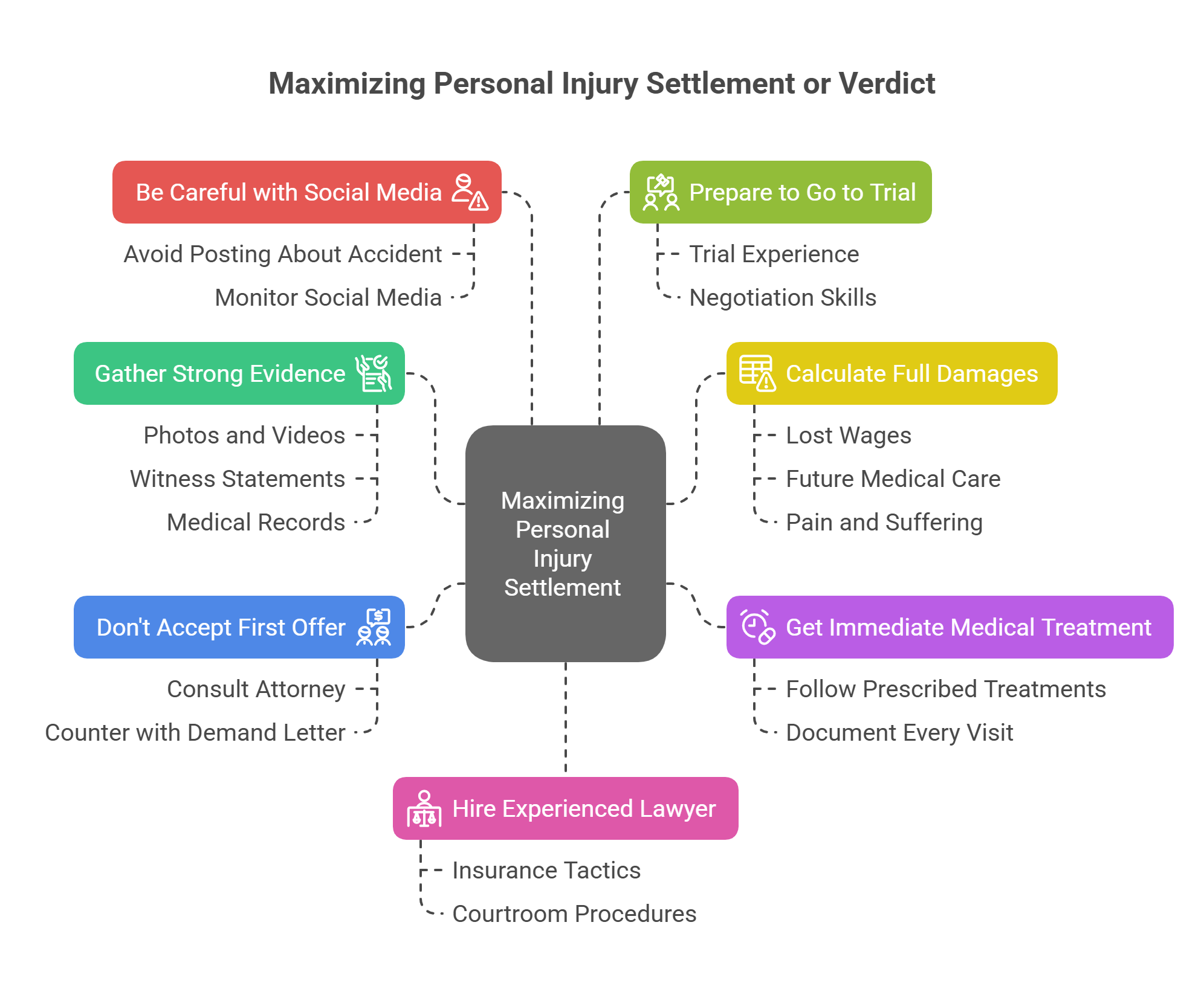
If you’ve been injured due to someone else’s negligence, securing the highest possible compensation is important for covering medical bills, lost income, and future expenses. Insurance companies and opposing parties will often try to minimize payouts, so taking the right steps can significantly impact your settlement or verdict. Here’s how to maximize your compensation and ensure you receive the justice you deserve.
The foundation of a strong personal injury case is compelling evidence. The more proof you have, the harder it is for insurance companies to dispute your claim. Immediately after the accident, take photos and videos of the scene, your injuries, property damage, and any contributing factors (such as slippery floors or defective products). Collect witness statements, obtain a copy of the police report, and secure medical records that document the extent of your injuries. Keeping a personal injury journal detailing your pain, recovery, and limitations can also strengthen your claim.
Seeking medical care right away is not just important for your health, it also protects your case. Insurance companies may argue that a delay in treatment means your injuries weren’t serious. Even if you don’t feel immediate pain, see a doctor as soon as possible. Follow all prescribed treatments, attend follow-up appointments, and document every visit. If your injuries require ongoing care, such as physical therapy or surgery, make sure to get detailed prognosis reports to demonstrate the long-term impact on your life.
Many injury victims underestimate the true cost of their damages. A fair settlement should cover more than just immediate medical expenses; it should also account for lost wages, future medical care, reduced earning capacity, pain and suffering, and emotional distress. If your injury affects your ability to work, a vocational expert may be needed to assess lost future earnings. Also, an experienced attorney will help calculate the full extent of your damages, ensuring you don’t settle for less than you deserve.
Insurance companies often start with lowball offers, hoping you’ll settle quickly before realizing the true value of your claim. Their goal is to pay as little as possible, not to be fair. Never accept an initial offer without consulting a personal injury attorney. Negotiation is key and countering with a well-documented demand letter can significantly increase your payout. If the insurance company refuses to negotiate fairly, being prepared to take the case to trial can pressure them into offering a higher settlement.
In today’s digital world, anything you post online can be used against you. Insurance adjusters and defense attorneys monitor social media to find anything that could weaken your claim. A seemingly innocent post about a vacation or a gym visit could be twisted to suggest your injuries aren’t as severe as you claim. To protect your case, avoid posting about your accident, injuries, or activities until your case is fully resolved.
While most personal injury cases settle before trial, being ready for litigation puts you in a stronger position during negotiations. Insurance companies know which attorneys are willing to fight in court and which ones will settle for less. If they believe you’re prepared for trial, they may offer a higher settlement to avoid the risk of a large jury verdict. With this in mind, working with an attorney who has trial experience can significantly impact how much compensation you receive.
The most important step in maximizing your settlement or verdict is hiring the right attorney. A skilled personal injury lawyer understands insurance tactics, negotiation strategies, and courtroom procedures, giving you the best chance at securing the highest payout possible. So, before hiring an attorney, you need to ask the right questions to ensure you choose someone with the experience and track record to handle your case effectively.
At My Injury Pros, our experienced personal injury lawyers are committed to taking you every step of the way through the process and securing the compensation you deserve. So, contact us today to start your free consultation.

What remains a fact is that it is difficult, and can even become overwhelming, to handle a personal injury claim on your own. When you are dealing with insurance companies, legal deadlines, and complex negotiations, you need a personal injury lawyer who will help you out with the process. A skilled lawyer not only fights for the maximum compensation but also ensures your rights are protected throughout the legal process.
One of the first things a personal injury attorney does is evaluate the true value of your case. This involves analyzing medical expenses, lost wages, future treatment needs, pain and suffering, and any permanent disabilities. Unlike insurance adjusters, who aim to pay out as little as possible, an attorney will fight to ensure you receive compensation for both economic and non-economic damages. If liability is disputed, they will gather strong evidence, including accident reports, witness statements, and expert opinions, to prove fault and maximize your payout.
After evaluating your case, your lawyer will handle all communications with the insurance company, calculate your full damages, and factor it into the settlement demand. Most cases settle out of court but your attorney will push for the highest possible offer, using strong evidence and legal strategies. Lastly, if the insurance company refuses to offer fair compensation, your lawyer will be ready to take the case to court, where juries often award higher amounts.
Furthermore, one of the biggest advantages of hiring a personal injury lawyer is that most work on a contingency fee basis, meaning you don’t pay unless they win your case. This arrangement benefits injury victims because it removes financial barriers to getting legal help. It also means your lawyer has a strong incentive to fight for the highest possible compensation since their payment depends on the outcome. While there are pros of hiring a personal injury lawyer, there are also cons. Some cons you should note are the length of time for a resolution to be met, loss of direct control and decision-making of the case, and the risk of hiring an inexperienced and unprofessional attorney.
Your understanding of personal injury verdicts and settlements in California is important if you're seeking fair compensation after an accident. While verdicts result from court trials and carry uncertainty, settlements offer quicker, more predictable resolutions. Compensation amounts vary based on factors like injury severity, liability, and financial losses, with high-profile cases often leading to multi-million-dollar payouts.
Additionally, maximizing your compensation requires strong evidence, continuous medical treatment, careful negotiation, and legal expertise. A skilled personal injury attorney plays an important role in evaluating case value, handling negotiations, and fighting for the best possible outcome. They often offer their services on a contingency fee basis, meaning no upfront costs for you. If you've suffered an injury, consulting an attorney can significantly improve your chances of receiving the full compensation you deserve.
Don’t let insurance companies pressure you into a lowball settlement, because you deserve fair compensation for your medical bills, lost wages, and pain and suffering. At My Injury Pros, we have the experience and expertise to handle your case and secure the compensation that you deserve. Contact us today for a free case evaluation.
The timeline varies based on the complexity of the case, but most personal injury settlements take anywhere from a few months to over a year. Cases with severe injuries, disputed liability, or large compensation amounts tend to take longer.
If settlement negotiations fail, your case may proceed to litigation and trial, where a judge or jury will decide the outcome. However, settlements can still be reached at any stage before a final verdict.
If you disagree with the jury’s verdict, you may have legal options, such as filing a post-trial motion or seeking an appeal, but appeals are limited to specific legal errors.
Yes, but only if there were legal errors, misconduct, or issues with how the trial was conducted. Appeals don’t reexamine the facts of the case but focus on whether the law was applied correctly.
A good settlement fully covers medical expenses, lost wages, pain and suffering, and future damages, ensuring you are financially secure after the accident. The best settlements reflect the true value of your case based on evidence and legal strategy.
Most settlements are paid in a lump sum or structured payments over time. Lump sums provide immediate funds, while structured payments offer long-term financial security.
Car accident settlements in California typically range from $15,000 to over $1,500,000, depending on factors like injury severity, liability, and insurance coverage. Cases involving catastrophic injuries often result in higher payouts.
Whiplash is a soft tissue neck injury that is caused by a sudden back-and-forth motion. It often results from rear-end car accidents. Understanding whiplash settlement values is important because compensation can vary widely based on injury severity, medical treatment, and liability, and this can help victims pursue fair financial recovery.
The average whiplash settlement amount in California falls between $5,000 and $20,000 for typical soft tissue injuries, while more serious cases fall between $30,000 and $100,000 or more. Severe or chronic whiplash cases, especially those that involve nerve damage or extended treatment, can push settlements well beyond $100,000. Sometimes, settlements can reach hundreds of thousands of dollars.
Wondering how much your whiplash injury claim might be worth in California? At My Injury Pros, we understand that no two whiplash cases are the same, and neither are their settlement values. Whether you're dealing with mild neck pain or long-term complications, our experienced personal injury attorneys will help you understand your rights, gather strong evidence, and fight for the compensation you deserve. Don’t settle for less. Contact us today for a free consultation!
This blog will break down the average whiplash settlement in California, what factors influence payout amounts, and how you can estimate the value of your claim.

Whiplash is a neck injury that occurs when the head is suddenly and forcefully thrown backward and then forward, straining the muscles, tendons, and ligaments in the neck. It’s most commonly associated with rear-end car accidents, but can also result from physical assaults, sports injuries, or falls. This rapid motion puts intense pressure on the cervical spine and causes soft tissue damage that may not be noticed immediately.
People who suffer from whiplash often experience a range of symptoms that can develop within hours or days after the incident. Common signs include persistent neck pain, dizziness, headaches, and stiffness or reduced range of motion in the neck.
The severity of a whiplash injury depends on several factors. The speed of the collision plays a major role, as higher speeds typically cause more intense force and damage. The type of vehicle involved can also affect outcomes, as larger or heavier vehicles may cause a more violent impact. Additionally, the age and overall health of the victim influence recovery, with older individuals or those with pre-existing neck or spine conditions being more vulnerable to severe, long-lasting effects.
The average whiplash settlement in California can vary widely based on the severity of the injury. Whiplash victims with short-term pain and minimal treatment typically settle between $2,500 and $10,000. Moderate injuries that involve ongoing medical care or longer recovery times may range from $10,000 to $50,000. For severe or chronic whiplash, especially with nerve damage or permanent disability, settlement negotiations can exceed $50,000 to $100,000 or more, depending on the long-term impact.
There’s no fixed amount for a whiplash settlement because every case is unique. Factors like medical expenses, lost wages, insurance coverage, and who was at fault all affect the final payout. That’s why comparing your situation to someone else’s can be misleading. A professional legal review is essential to understand what your specific claim is worth.
Whiplash settlements in California are typically calculated using either the multiplier method or the per diem method to estimate pain and suffering damages. The multiplier method adds up your economic damages (like medical bills and lost wages) and multiplies that total by a number usually between 1.5 and 5 based on the severity of the injury. The per diem method assigns a daily dollar value to your pain and suffering, then multiplies it by the number of days you experienced symptoms. Both approaches aim to fairly compensate victims for the physical and emotional toll of a whiplash injury.
For example, if your medical bills and lost wages total $10,000 and your injury is considered moderate, a multiplier of 3 may be used to bring your total settlement to around $30,000. Under the per diem method, if you assign $150 per day to your discomfort and recovery lasts 90 days, your pain and suffering damages would be $13,500, which would then be added to your economic losses. Calculations are mostly adjusted based on case-specific factors like liability, treatment consistency, and long-term effects.

Factors that affect whiplash settlement amounts in California include the severity of the injury, the cost of medical treatment, the impact on daily life, and who was at fault. These several factors help determine how much compensation a victim may be entitled to.
The seriousness of a whiplash injury plays a major role in settlement value. Mild whiplash may result in lower settlements, often a few thousand dollars. However, moderate to severe cases, especially those involving nerve damage or prolonged treatment, can lead to significantly higher payouts. Cases with more severe whiplash injuries, like chronic pain or long-term effects, often receive greater compensation due to the lasting impact on daily life and earning ability.
Medical diagnosis strongly influences the strength of your claim. Detailed doctor notes, MRI results, and ongoing treatment records help prove the seriousness of the injury and justify higher settlements. Without solid medical documentation, insurers may argue the injury is minor or unrelated to the accident.
Medical expenses from a whiplash injury can include ER visits, X-rays or MRIs, physical therapy, chiropractic care, and medications for physical pain, all of which add up quickly. Thoroughly documenting the cost of your medical treatment through bills, treatment records, and doctor’s notes not only proves the extent of your injury but also strengthens your claim for higher compensation. In more serious cases, you may also be entitled to future medical costs for ongoing medical treatment, specialist visits, or long-term pain management.

Missing work due to a whiplash injury can significantly increase the value of your claim. This is because it highlights both immediate lost wages and potential reduced future earning capacity if the injury affects your ability to perform your job long-term.
Insurance companies consider how much income you’ve already lost and whether ongoing limitations could impact your future earnings. To support this part of your claim, it’s essential to document all time missed from work, keep pay stubs, and maintain clear communication with your employer about your injury and recovery timeline.
Pain and suffering refers to the physical discomfort and emotional distress a person experiences as a result of an injury like whiplash injury. It includes not just the pain itself, but also anxiety, sleep disturbances, reduced quality of life, and other mental or emotional impacts. Unlike medical expenses, this damage is harder to quantify, so courts and insurers use tools like the multiplier method or per diem method to estimate a fair value.
The multiplier method applies a number (typically 1.5 to 5) to your total economic damages, depending on the severity of your pain. The per diem method assigns a daily dollar amount for each day you suffer, from the date of the injury to maximum recovery. To strengthen your case, it's important to always document your symptoms through a pain journal, follow-up visits, and updates from your doctor. This consistent record helps to support the seriousness of your suffering and helps justify higher compensation.
Determining who was at fault for an accident is critical to any whiplash injury claim, especially under California’s comparative negligence rule. This legal principle allows multiple parties to share responsibility for an accident, and any compensation awarded is reduced by the percentage of fault assigned to the injured person. For example, if you're found 20% at fault for a rear-end collision and awarded $50,000, your settlement would be reduced to $40,000 to reflect your share of the blame.
To establish fault and protect your claim, it’s essential to gather solid evidence, starting with a police report, which provides an official account of the accident and may indicate who was at fault. Witness statements also plays a valuable role in confirming events, especially when the drivers involved give conflicting stories. These sources of evidence can significantly impact how much fault is assigned to each party, and, in turn, how much compensation you can recover.

Insurance coverage limits represent the maximum amount an insurance company will pay for damages under a specific policy. These limits can cap what you’re able to recover in a personal injury claim, especially if the at-fault party carries only the minimum required coverage. If your damages exceed the at-fault driver’s policy limits, you may be left covering the remaining costs out of pocket unless other options are available.
In California, the minimum liability insurance requirements are $15,000 for injury or death to one person, $30,000 for injury or death to more than one person, and $5,000 for property damage. These amounts are often too low to cover serious injuries like whiplash with extended treatment. That’s why having uninsured/underinsured motorist (UM/UIM) coverage on your policy is crucial. It can help bridge the gap if the other driver’s insurance isn’t enough or if they don’t have coverage at all.
Personal injury lawyers are skilled negotiators who understand how to push back against lowball offers and build strong cases that demand appropriate compensation. In California, car accident attorneys use their legal expertise of state-specific laws, insurance tactics, and legal procedures to argue for maximum payouts, especially in complex or disputed whiplash claims. Their experience allows them to present medical evidence, lost income, and pain and suffering in a way insurers can't easily dismiss.
Attorneys for personal injury cases mostly work on a contingency fee basis, meaning you pay nothing unless they win your case. By consulting a lawyer early, you ensure proper documentation from the start, avoid common mistakes, and get strategic legal advice tailored to your situation. This proactive approach often leads to faster, higher settlements and better protection of your legal rights.
To maximize your whiplash injury settlement, it's important to seek immediate medical attention after the accident even if symptoms seem minor at first. Prompt treatment not only ensures proper care but also creates official medical records that support your claim. Keep detailed documentation of your recovery, including a pain journal, medical bills, treatment notes, and any time missed from work. These records help prove the extent of your suffering and financial losses, which directly impact the value of your settlement.
Avoid accepting early settlement offers from insurance companies, because they often aim to minimize payouts before the full scope of your injury is clear. Instead, work with an experienced personal injury attorney who can accurately assess your case, negotiate with insurers on your behalf, and help you recover the maximum compensation. A lawyer will also ensure that all deadlines are met and that your case is backed by strong evidence, positioning you for the best possible outcome.

You should consider hiring a California lawyer for your whiplash claim if your symptoms persist for more than a few weeks or if the injury interferes with work, daily activities, or long-term health. It's also time to call an attorney if the insurance adjuster offers a lowball settlement, denies your claim outright, or delays payment without any clear explanation. These are common tactics used to reduce whiplash settlement payouts, and without legal support, you risk settling for far less than you deserve.
A personal injury lawyer can help you build a strong case by gathering medical records, negotiating with insurers, and proving liability, especially if the other party is disputing fault. They understand how to assess the full value of your damages, including future medical care and pain and suffering, and will fight to maximize your final settlement amount. Most importantly, hiring an attorney can relieve stress and make sure you're not taken advantage of during the claims process.
The average settlements for whiplash in California depend on factors like the severity of the injury, medical expenses incurred, lost wages, and clear documentation. Pain and suffering are often calculated using the multiplier or per diem method, and strong evidence like police reports and medical records can boost your whiplash claim.
Legal representation can make a big difference, especially if you suffered severe injuries or the insurer is disputing your whiplash claim. Legal guidance helps you build a stronger case and pursue the fair settlement you’re entitled to. At My Injury Pros, we know how to fight for full fair compensation. Let us help you take the next step. Contact us today to get a free case evaluation!
Whiplash claims in California typically settle within a few months to over a year, depending on injury severity, insurance negotiations, and whether liability is disputed.
Yes, you can still claim whiplash in California even if symptoms appeared days after the accident, as delayed onset is common with soft tissue injuries.
Yes, you can receive compensation for pain and suffering from whiplash in California, especially if the injury impacts your daily life or requires ongoing treatment.
While not required, hiring a lawyer for a whiplash lawsuit greatly increases your chances of securing fair compensation, especially in complex or disputed cases.
Typical symptoms of whiplash include neck pain, stiffness, headaches, dizziness, fatigue, and limited range of motion.
Slip and fall incidents in grocery stores often occur due to hazards such as wet floors or misplaced items. They can often lead to serious injuries. Understanding potential legal outcomes is crucial, as these cases can be challenging for individuals to prove without clear evidence of negligence.
The average settlement for a slip and fall in a grocery store ranges from $10,000 to $50,000. Slip and fall settlements depend on the severity of the injury and evidence of store negligence. More serious cases involving long-term medical care or permanent injury can result in higher payouts.
Have you or a loved one been injured in a slip and fall at a grocery store and aren’t sure what your case might be worth? At My Injury Pros, our experienced team of personal injury attorneys is dedicated to helping injury victims understand their rights, navigate complex claims, and pursue the compensation they deserve. With a strong track record of successful outcomes and client-focused service, we’re here to guide you every step of the way. Contact us today for a free consultation!
This post explores the average settlement amounts for slip and fall accidents in grocery stores and the key factors that influence compensation.

A grocery store slip and fall accident occurs when a customer or visitor loses their footing due to hazardous conditions within the store, which causes a fall and potential injury. Freshly mopped floors without warning signs, wet floors, spilled food or beverages left uncleaned, and cluttered or obstructed aisles commonly cause these incidents. Poor lighting, uneven flooring, or loose mats can also contribute to these dangerous situations. Because grocery stores have to maintain safe premises for their customers, when they fail to address or warn about these hazards promptly, it can lead to premises liability.
Injuries from slip and fall accidents in grocery stores can range from minor to severe. Victims can suffer sprains, broken bones, and in more serious cases, spinal injuries, concussions, or other head trauma. These injuries can lead to significant medical bills, lost wages, and long-term pain. Legally, such cases often hinge on proving negligence under premises liability laws. This means showing that the store knew or should have known about the hazardous condition and failed to take reasonable steps to fix it or warn customers.
The national average payout for grocery store slip and fall cases ranges from $10,000 to $50,000 and depends on the severity of the injury and the strength of the evidence proving negligence. Minor injury claims, such as sprains or bruises that require minimal medical treatment, often settle on the lower end of that range. In contrast, moderate injuries like fractures or torn ligaments that involve physical therapy or time off work may push settlements toward the higher end. These payouts aim to cover medical bills, lost wages, and pain and suffering.
In cases that involve major injuries such as traumatic brain injuries, spinal damage, or permanent disability, settlements can exceed $100,000 or more, especially when lifelong care or extensive treatment is needed. For example, a customer who suffers a hip fracture requiring surgery and long-term rehabilitation may receive a significantly higher settlement than someone with a minor ankle sprain. These higher payouts reflect the lasting impact of the injury, future medical expenses, and the emotional toll on the victim’s quality of life.
| Injury Severity | Estimated Settlement Amount |
|---|---|
| Minor Injuries | $2,000 – $15,000 |
| Moderate Injuries | $15,000 – $50,000 |
| Severe Injuries | $50,000 – $200,000+ |
| Catastrophic Injuries | $250,000 – $1,000,000+ |
Slip and fall settlement amounts are largely based on the severity and type of injury sustained. More serious injuries like broken bones, head trauma, or spinal damage result in higher compensation than minor bruises or sprains. This is because they require more intensive treatment and have a longer recovery time.
Another key factor is the cost of medical expenses, both current and anticipated. This includes emergency care, surgeries, physical therapy, medications, and any ongoing or future treatment. In addition, victims can recover damages for lost wages during recovery and loss of earning capacity if the injury affects their ability to work long-term.
Non-economic damages like pain and suffering are also considered and are often calculated based on the intensity and duration of physical and emotional distress. Also, if the injured person is partially at fault (e.g., ignoring warning signs), their claimed damages may be reduced by their percentage of fault.

Legal responsibility for a slip and fall in a grocery store often begins with the store owners and managers because they have a duty to maintain a safe environment for customers. They are responsible for routine inspections, staff training, and making sure that potential hazards are addressed promptly. If they fail to uphold these duties and someone is hurt as a result, they may be held liable. Additionally, employees can be held responsible if their careless actions directly lead to an accident.
In some cases, third-party contractors, like cleaning companies hired by the store, may also share liability. If a cleaning crew leaves a floor wet without proper signage or fails to follow safety protocols, and that directly causes a fall, they can be held accountable. Determining who is responsible often depends on who had control over the area and the circumstances at the time of the incident.
To hold the grocery store liable, a victim must prove negligence. This means showing that the responsible party owed a duty of care, breached that duty, and caused harm. This includes demonstrating that the store knew or should have known about the dangerous condition and failed to fix it or warn customers. Strong evidence, like surveillance footage, photos, incident reports, and witness statements, is critical to help prove fault and strengthen a claim.
Sometimes, comparative negligence comes into play if both the injured person and the store share fault. For example, if the customer ignored visible warning signs or was distracted while walking, a court might reduce their compensation by their percentage of fault. Even in these situations, an experienced attorney can help build a case to ensure fair treatment and maximum possible recovery.

After a slip and fall in a grocery store, the first thing you should do is notify the incident immediately to the store manager or a store employee. Make sure an incident report is filled out and request a copy for your records. This official documentation is important for linking your injury to the specific time and location of the accident.
Next, snap photos and videos of the scene where you fell, including any hazards like wet floors, spilled products, or lack of warning signs. If anyone witnessed the fall, gather their names and contact information because they may be able to provide statements that support your claim. Then, seek medical attention right away, even if your injuries seem minor. Prompt treatment creates a medical record that connects your injuries directly to the fall, which can be vital when establishing your case.
Finally, avoid giving recorded statements to insurance adjusters without first speaking to a lawyer. These statements can be used against you, even if made innocently. Hiring an experienced personal injury attorney makes sure you have someone who can gather critical evidence, communicate with the store’s insurance company, and fight for the full compensation you deserve. Having skilled legal representation increases your chances of a successful and fair outcome.
A personal injury lawyer can play a crucial role in maximizing your slip and fall settlement by thoroughly investigating the incident and gathering key evidence. This includes collecting surveillance footage, witness statements, accident reports, and medical records to build a strong case proving the grocery store’s lack of due care. With legal expertise, an attorney can identify details that a victim might overlook and make sure that all documentation supports the highest possible claim value.
Additionally, an experienced slip and fall attorney will handle negotiations with insurance companies. Your attorney can push for fair compensation that fully covers medical bills, lost wages, and pain and suffering, and if the insurer refuses to settle reasonably, they can file a lawsuit and represent you in court. This legal pressure often motivates stores to offer higher settlements and helps you receive the compensation you truly deserve.

The timeline for settling a slip and fall claim can vary widely and range from a few months to over a year. Straightforward cases with clear liability and minor injuries may resolve quickly through negotiation, while more complex claims that involve serious injuries or disputed fault can take significantly longer.
Several factors can affect how long a case takes to settle. They could include the cooperation of the grocery store or its insurer, the complexity of the case, and any court-related delays if the claim goes to litigation. Cases that involve extensive medical treatment or multiple parties often require more time to gather evidence, assess damages, and negotiate a fair settlement.
Slip and fall accidents in grocery stores can lead to serious injuries and significant financial burdens. Understanding the average settlement amounts, how claims are calculated, and what steps to take after an incident can greatly improve your chances of receiving fair compensation.
If you’ve been injured, it’s important to act quickly by reporting the incident, gathering evidence, and seeking medical attention. Most importantly, consult an experienced personal injury attorney who can protect your rights and help maximize your settlement.
Injured in a grocery store slip and fall and unsure what to do next? At My Injury Pros, we have the experience to fight for the compensation you deserve and guide you every step of the way. Let us help you get back on your feet. Contact us now for a free case evaluation!
Yes, larger chain grocery stores often have greater financial resources and insurance coverage, which can result in higher compensation payouts for slip and fall injuries compared to smaller businesses.
The average Walmart slip-and-fall settlement typically falls between $15,000 and $45,000, though severe cases with strong evidence can yield much higher awards.
Yes, you can sue a grocery store for slipping and falling if you can prove that the store’s negligence caused the hazardous condition that led to your injury.
You typically have two to three years from the date of the slip and fall to file a claim, depending on your state's statute of limitations.
Brain injuries from car crashes can range from mild concussions to severe traumatic brain injuries, and most times come with long-term physical, cognitive, or emotional effects. Knowing the settlement process helps victims receive fair compensation for medical expenses, lost income, and ongoing medical care especially if the car crash was due to someone else's negligence..
The average brain injury settlement from a car accident ranges from $100,000 to several million dollars, depending on the severity, long-term impact, and liability factors. More severe cases that involve permanent injury or loss of quality of life tend to result in higher settlements or jury awards.
Worried about what your brain injury case is worth? At My Injury Pros, we know how complex car accident cases can be and how insurance companies may try to settle for less than you deserve. Our dedicated legal team is here to fight for the full compensation you're entitled to. Focus on healing while we handle the rest. Contact us now to schedule a free consultation!
This post will break down the typical settlement ranges for brain injuries from car accidents, factors that influence compensation amounts, and what victims need to know to pursue a fair claim.

A traumatic brain injury (TBI) occurs when normal brain function is disrupted due to a sudden jolt, blow, or penetration to the head. Common types include concussions, contusions (bruising of the brain), and diffuse axonal injuries, which involve widespread damage from the brain rapidly shifting inside the skull. Traumatic brain injuries can be classified as either a closed head injury (no skull fracture) or an open head injury (where the skull is penetrated or broken).
Symptoms of a traumatic brain injury may range from mild confusion and headaches to severe impairments like memory loss, difficulty concentrating, mood swings, or even seizures. Some effects, like post-traumatic stress disorder, can be long-term and will likely affect a person's ability to work, interact socially, or live independently. Unfortunately, brain injuries often go undiagnosed at first because their symptoms can be subtle or delayed.
Car accidents are a leading cause of traumatic brain injuries. Catastrophic injuries like TBIs result from whiplash, hitting the head on a steering wheel or window, or the brain jolting from sudden deceleration. Because symptoms may not appear immediately, victims are advised to seek medical care right away. Delayed symptoms can complicate head injury claims. Properly documenting and following up care are critical to proving the injury and securing rightful compensation.
Compensation for a brain injury can vary widely based on factors like the severity of the injury, medical bills, lost income, applicable state laws, and the limits of insurance coverage. More severe injuries that cause long-term disability or cognitive impairment typically result in higher settlements than mild traumatic brain injury cases like concussions.
Generally, traumatic brain injury settlements can range from $20,000 for minor cases to several million dollars for life-altering or severe injuries. Victims with permanent impairments or extensive financial losses often fall on the higher end of this spectrum.
| Injury Severity | Estimated Settlement Range | Example Scenario |
|---|---|---|
| Mild Traumatic Brain Injury | $20,000 – $100,000 | Short-term symptoms, full recovery expected, minimal lost work time |
| Moderate Traumatic Brain Injury | $100,000 – $500,000+ | Cognitive or physical impairments that last months or years, rehab required |
| Severe Traumatic Brain Injury | $500,000 – $2,000,000+ | Permanent brain damage, inability to work, ongoing care or assisted living needed |
| Catastrophic TBI | $2 million – $10 million+ | 24/7 care, vegetative state, loss of independence, major impact on quality of life |
The average settlement for traumatic brain injuries varies widely depending on the state’s insurance laws, fault rules, and whether there are caps on damages.
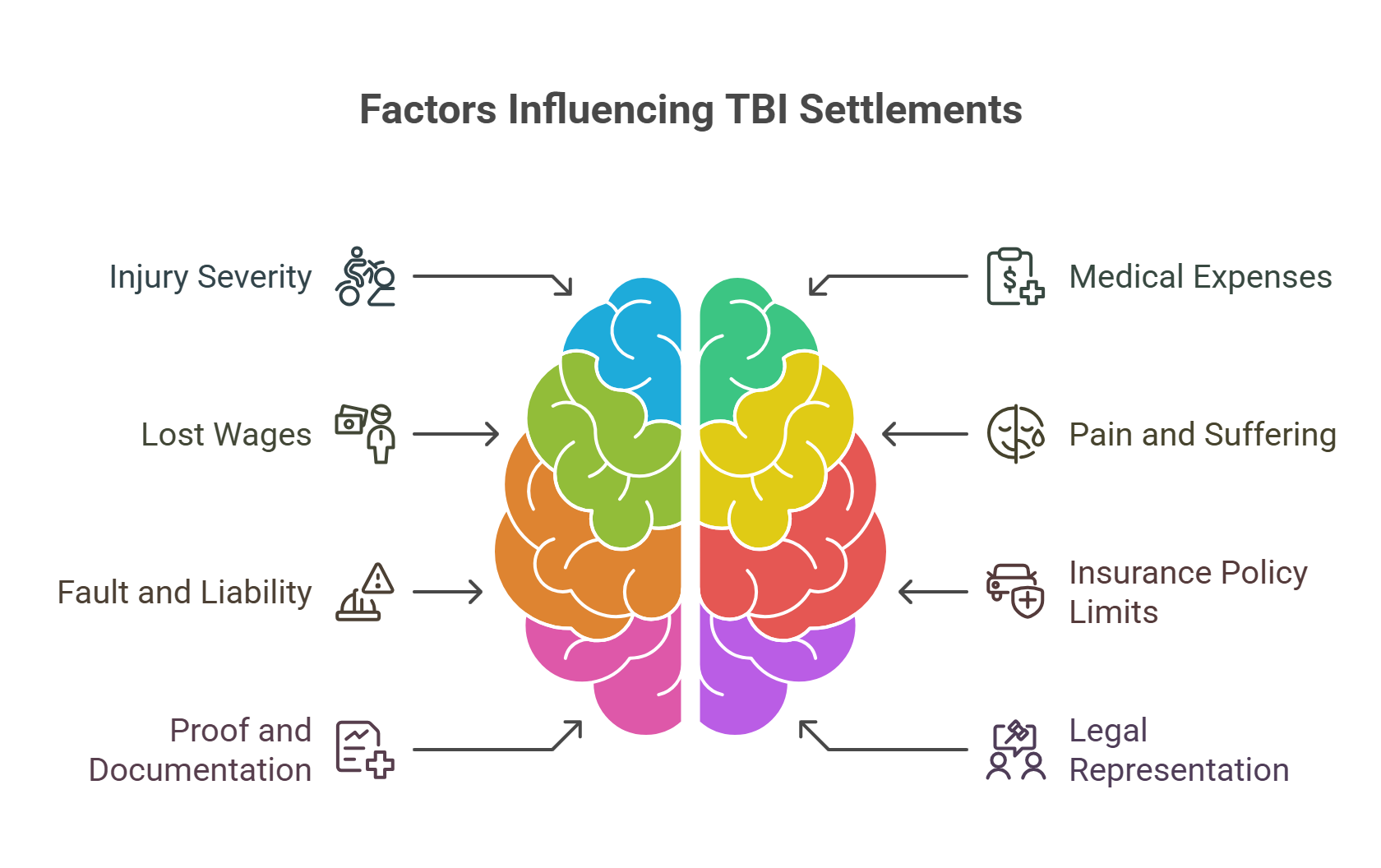
Several key factors influence the settlement value of a TBI claim. These factors include the severity of the injury and its long-term impact on daily life. Other important considerations are medical costs, lost income, liability, and the strength of the evidence presented.
Mild TBIs like concussions typically result in smaller settlements. At the same time, severe brain injuries with lasting cognitive or physical impairments can lead to much higher payouts due to their long-term impact to reduce the financial burden on the victim.
Higher medical costs, such as surgery, rehab, physical therapy, and long-term medication, can increase your settlement, especially if future treatment is needed. The more extensive and ongoing your medical care, the stronger the justification for a higher compensation amount.

If the injury causes missed work or prevents you from returning to your job, compensation increases to reflect lost wages and reduced earning potential. This includes not only past income lost but also projected future losses if you're unable to return to the same line of work. Expert testimony or vocational assessments may be used to demonstrate how your career prospects have been impacted.
Emotional distress and reduced quality of life are factored in and are calculated using a multiplier of your medical costs. They can also be calculated based on the severity of symptoms the victim suffered.
Your compensation may be reduced if you're partially at fault for the accident. For example, being 20% responsible could lower a $100,000 settlement to $80,000. However, in cases where the other party acted with extreme recklessness or intentional harm, you may still be eligible for punitive damages.
Settlements are often capped by the at-fault party’s insurance. This means that you may not recover more than, say, a $100,000 policy limit without other coverage.
Clear medical records, MRI results, and expert opinions strengthen your case and support a higher settlement offer. Having detailed documentation shows the severity of your injuries and the necessity of treatment.
Photos, witness statements, and consistent reports can also help validate your claim and support the timeline of your recovery.
Experienced attorneys can build stronger cases, use expert witnesses, and negotiate better outcomes than going it alone without a TBI lawyer. They also understand how to counter lowball offers from insurance companies and fight for the full value of your claim.

To maximize a traumatic brain injury settlement, it's important to document all symptoms and medical treatments thoroughly. Follow every recommendation from your healthcare providers, attend all appointments, and keep copies of bills, reports, and diagnostic tests to support your personal injury case.
Maintain a daily symptom diary that details how the injury affects your life, from headaches and memory issues to emotional struggles. Most importantly, work with an experienced personal injury attorney who understands TBI cases and can negotiate aggressively to ensure you receive a full and fair settlement.
An experienced TBI lawyer can make a big difference from the very start of your case. They help preserve vital evidence, manage communication with insurance adjusters, and protect you from accepting lowball settlement offers before the full impact of your injury is known. Early legal involvement makes certain that your rights are protected while you focus on recovery.
An experienced personal injury lawyer builds a strong case by collecting medical records, crash reports, witness statements, and expert opinions. They also calculate the full settlement value of your claim, both financial (like medical bills and lost income) and emotional (like pain, suffering, and reduced quality of life). This detailed preparation is key to securing fair compensation.
If the insurance company won’t offer a fair settlement amount, your lawyer can take the case to court and advocate on your behalf. They also ease the emotional stress by guiding you through the legal process and answering your questions along the way. Best of all, most personal injury attorneys work on a contingency fee basis. This means you don’t pay unless they win your personal injury case.
The timeline for settling a brain injury case can vary significantly based on how severe the injury is and the complexity of the claim. Mild brain injury cases may settle within a few months, especially if gross negligence or liability is clear and symptoms resolve quickly. However, more serious or disputed traumatic brain injury cases, especially those that involve long-term care, lost wages, or significant life changes, can take a year or more to resolve, particularly if the case goes to litigation.
One key reason serious brain injury cases take longer is the need to reach Maximum Medical Improvement (MMI) before agreeing to a TBI settlement. MMI means your condition has stabilized, and your doctors can accurately assess long-term effects and future medical needs. Settling too early can result in compensation that doesn’t fully cover ongoing medical treatment, future medical expenses, or lost earning capacity. It's important to wait until a clear medical picture is available before finalizing a claim.
Brain injuries can be life-altering. They affect everything from memory and concentration to physical abilities and emotional well-being. Even a seemingly mild injury can lead to long-term challenges that impact your work, relationships, and daily life.
Because of the serious and often unpredictable effects of brain trauma, it’s crucial to consult an experienced personal injury attorney before accepting any settlement. A lawyer can help ensure you receive the full compensation you deserve for both current and future losses.
Feeling Pressured to Settle After a Brain Injury? At My Injury Pros, we understand how life-changing these injuries can be and fight to make sure you’re compensated for everything, from medical bills to future care and lost quality of life. Don’t settle for less than you deserve. Contact us today for a free case evaluation!
The life expectancy of someone with a traumatic brain injury depends on the severity of the injury, but moderate to severe cases can reduce lifespan by several years to decades due to complications and long-term health effects.
To support a traumatic brain injury claim, you need medical records, diagnostic imaging (like CT or MRI scans), expert testimony, accident reports, witness statements, and documentation of symptoms and their effects on daily life.
In a brain injury case, you can be compensated for medical expenses, lost income, pain and suffering, emotional distress, rehabilitation costs, and loss of quality of life.
Settling a traumatic brain injury case can take anywhere from several months to a few years, depending on the injury’s severity, medical recovery, and legal complexities.
If you weren’t wearing a seatbelt, you can still pursue compensation for a brain injury, but your settlement may be reduced due to comparative negligence laws.
Yes, you can still sue if the other driver was uninsured, and you may be able to recover compensation through your own uninsured motorist coverage or by filing a personal injury lawsuit directly against the at-fault driver.
Settling too soon after a traumatic brain injury can be risky because the full extent of the injury and long-term medical needs may not yet be known, potentially leading to inadequate compensation.
Car accident laws are important because they protect victims' rights and ensure fair compensation for injuries and damages. Understanding legal deadlines, known as statutes of limitations, is crucial because missing them can result in losing the right to file a claim. Knowing your legal timeline helps preserve evidence and strengthens your case.
In California, the statute of limitations for filing a lawsuit after a car accident is two years from the date of the accident for personal injury claims. However, if the crash involves a government entity, you must first file an administrative claim within six months of the accident.
Have you or a loved one been injured in a California car accident and aren't sure how to take legal action? At My Injury Pros, our experienced attorneys specialize in personal injury lawsuit and are here to guide you through every deadline and detail to ensure your legal claim is protected. With a strong track record of results and deep local legal knowledge, we can help you avoid costly mistakes and get the compensation you deserve. Contact us today for a free consultation!
This post will explain the time limits for filing a car accident claim in California, why they matter, and what steps to take to protect your legal rights.

In California, the general rule for filing a personal injury claim after a car accident is two years from the date of the accident. This deadline is important because missing it can result in the court dismissing your case entirely, regardless of how strong your evidence is. Personal injury claims cover any physical harm or emotional distress suffered as a result of the accident, including medical expenses, lost wages, and pain and suffering.
For property damage claims, such as damage to your vehicle, the statute of limitations is slightly longer, at three years from the date of the accident. These claims are separate from personal injury cases and focus solely on recovering the cost to repair or replace damaged property. It's important to understand that these are distinct legal paths, and you may need to pursue both if your accident resulted in both injuries and property loss.
Accurately determining the date of accrual is crucial in both types of claims. It is usually the date the accident occurred. However, in certain situations, such as when an injury is not discovered until later, the clock may start ticking at a later time. Knowing exactly when your statute of limitations begins ensures you don’t miss your legal window to act.

Yes, California Law allows for several exceptions to the standard statute of limitations in car accident claims. One important exception applies to victims who are minors. If the injured person is under 18 at the time of the accident, the statute of limitations is generally paused (or tolled) until their 18th birthday. Similarly, the delayed discovery rule may apply when an injury isn’t immediately apparent after the accident. In such cases, the two-year statute for filing a personal injury claim starts when the injury is reasonably discovered, rather than on the accident date.
Another exception occurs when the at-fault party leaves the state after the accident but before a claim is filed. During this absence, the statute of limitations may be tolled. This means the countdown pauses until the defendant returns. This ensures that claimants are not penalized because the responsible party is temporarily unavailable for legal action.
Special rules apply when the accident involves a government entity, such as a city bus or a county vehicle. Under the California Government Claims Act, victims must first file an administrative claim within six months of the accident before they can sue. This is a strict and short timeline, and failure to comply in a timely manner can prevent further legal action. The legal process includes submitting specific forms and waiting for the agency to respond before proceeding with a lawsuit, making it essential to act quickly and seek legal help when a public agency is involved.
California’s statute of limitations for car accident claims typically begins on the date of injury. This is usually the date the car accident occurred. However, under the discovery rule, if an injury isn’t discovered immediately, the statute of limitations may begin on the date the injury is reasonably discovered. This rule protects victims who suffer hidden or delayed-onset injuries. For example, cases that involve internal trauma or soft tissue damage may not surface until days, weeks, or even months after the crash.
The California car accident claims deadline begins when the injury is either known or reasonably should have been known through medical evaluation. For visible injuries, such as broken bones or lacerations, the statute usually begins on the accident date. However, the discovery rule provides some flexibility, except for hidden injuries. It allows victims additional time to file as long as they act promptly once the injury is identified. Knowing when your statute of limitations begins is critical to preserving your legal rights and successfully filing a claim.

Missing the statute of limitations in a California car accident case has serious consequences, starting with the dismissal of your personal injury lawsuit. If you file a claim after the legal deadline has passed, the court will likely refuse to hear your case, no matter how strong your evidence may be. This procedural rule is strictly enforced. This means that even valid claims can be permanently barred if they are filed late.
One of the most significant outcomes is the loss of your legal rights. This includes your ineligibility for compensation for mounting medical bills, lost wages, and pain and suffering. Without the ability to sue, you also lose critical leverage in negotiations with insurance companies. They are unlikely to settle fairly if they know you can no longer take legal action. This can leave accident victims without any meaningful remedy, especially when dealing with uncooperative insurers.
Missing the filing deadline can have a long-term impact on your financial recovery. It could become difficult to cover accident-related expenses. California Law provides no second chance once the statute has expired, so acting promptly is essential. Consulting an experienced personal injury lawyer early ensures you meet all deadlines and preserves your ability to seek compensation.

To meet deadlines for a California car accident lawsuit, start by documenting the exact date of the car crash because this marks when most legal timelines begin. Use digital calendars or reminder apps to set alerts for key deadlines. They could include the two-year limit for personal injury claims or the six-month deadline for claims against government agencies. Keep organized records of medical treatment reports, insurance correspondence, and repair estimates. This will help you stay on top of what needs to be done and when.
If a deadline is approaching, act immediately by gathering all necessary documents and initiating the claim process. Don’t wait until the last minute because deadlines are strict, and missing them can forfeit your right to a fair settlement. When in doubt, consult a skilled attorney who can track your timelines, file paperwork correctly, and ensure you don’t miss critical legal steps.
An experienced car accident lawyer plays a vital role in guiding you through California’s complex personal injury laws. From day one, they help you understand your rights, gather critical evidence, and ensure all deadlines are met, so your claim stays valid. They handle every aspect of your case from filing paperwork and dealing with insurance companies to preparing for court if needed. minimizing costly mistakes and keeping your claim on track. For victims with significant injuries, legal expertise is very important to document the full extent of the injuries, their long-term impacts, and future medical needs.
Attorneys also negotiate directly with insurance companies to seek higher settlements than you might receive on your own. They use their knowledge of case value and legal pressure to your advantage. Most personal injury lawyers offer free consultations and work on a contingency fee basis, meaning you pay nothing unless they win your case. By hiring a skilled lawyer, you improve your chances of receiving full compensation while reducing stress and protecting your legal rights throughout the process.
Acting within the legal timeframe is crucial, as missing the statute of limitations can permanently block your chance to recover compensation. Deadlines are strict in California, and even a short delay can cost you your entire car accident lawsuit.
To protect your rights and make sure you don’t miss any critical steps, it’s wise to consult with a personal injury attorney as soon as possible. Legal guidance can help you understand your timeline, gather evidence, and file your legal claim on time.
Not sure if you’ve waited too long to file your car accident claim? At My Injury Pros, our experienced personal injury attorneys know California’s deadlines inside and out, and we’re here to help you act fast. Protect your right to compensation. Contact us now for a free consultation.
You may still be able to sue if the accident happened three years ago, but it depends on the type of claim, any applicable exceptions, and whether the statute of limitations has been tolled.
The statute of limitations applies to lawsuits, not insurance claims, but it's still important to file your insurance claim promptly, as delays can affect your ability to recover compensation.
If the other driver was never found, you may still pursue compensation through your uninsured motorist coverage or explore other legal options, but time limits still apply.
Yes, you may still file a claim if you didn’t know you were injured right away, as the statute of limitations may start from the date you discovered the injury.
In California, the car accident statute of limitations typically starts on the date of the accident, unless an exception like delayed discovery applies.
You generally have two years from the date of the loved one’s death to file a wrongful death claim after a fatal car accident
To file a car accident claim in California, you’ll need evidence such as a police report, medical records, witness statements, insurance information, and documentation of damages and injuries.
While standard insurance claims aren’t bound by a specific statute of limitations, bad‑faith insurance lawsuits must be filed within two years under tort law or four years under breach‑of‑contract law, depending on the basis of your claim.
Spinal cord injuries (SCIs) are life-altering conditions that can result in partial or complete loss of motor function and sensation. SCIs may involve long-term medical care, rehabilitation, and lost income so it is important to understand their potential settlement values.
The average settlement for a spinal cord injury ranges from $350,000 to over $1 million, with serious spinal cord injury cases like paralysis exceeding $3 million. Factors that influence the amount of settlement for a spinal cord injury depend on the severity of the injury, costs of medical treatment, lost wages, pain and suffering, and the strength of the legal case.
Have you or a loved one suffered a spinal cord injury due to someone else’s negligence? At My Injury Pros, we understand the lifelong impact these injuries can have and the importance of securing a settlement that truly reflects your medical needs, lost income, and pain and suffering. Our experienced team of personal injury attorneys is committed to fighting for the maximum compensation you deserve. Don’t leave your future to chance. Contact us today for a free consultation!
This post will discuss the average settlement amounts for spinal cord injuries and explain the key factors that can impact your potential compensation.

A spinal cord injury (SCI) occurs when the spinal cord is damaged. This damage causes a disruption in communication between the brain and the rest of the body. The two main types include complete injuries, where all feeling and movement below the injury site are lost, and incomplete spinal cord injuries, where some sensation or movement remains.
Common causes of SCIs include car accidents, falls, sports injuries, and medical malpractice during surgery or treatment. These incidents can severely damage the spinal cord, leading to varying degrees of paralysis or loss of function.
The long-term effects of a spinal cord injury can be life-altering. SCIs impact mobility, sensation, and even organ function. They cause many individuals to require ongoing medical care, rehabilitation, and assistance with daily activities. This makes the impact of SCIs both physical and emotional.
The typical payout for a spinal cord injury settlement varies and generally ranges from around $100,000 to several million dollars. The amount depends mainly on the severity of the injury, the costs of medical care, lost wages, and the impact on the victim’s quality of life.
For example, settlements for paraplegia (paralysis of the lower body) mostly fall between $500,000 and $2 million or more. This reflects significant medical and rehabilitation needs. In more severe personal injury cases like quadriplegia, which affects all four limbs, payouts typically range from $1 million to over $5 million. This is due to the extensive lifelong care that would be needed.
In some cases, jury verdicts can surpass these amounts, especially when the injury results from clear negligence or egregious conduct. This highlights the importance of skilled representation by an experienced personal injury lawyer to make sure that the final settlement, based on the unique circumstances of each case, is fair.

Location can impact your compensation. Let u-s break down the average spinal cord injury settlement amounts across different states to help you understand why.
California spinal injury settlements tend to be higher than the national average due to the state’s high medical costs and strong consumer protection laws that support injured victims. These factors contribute to settlements ranging from $500,000 to over $3 million.
Large metropolitan areas like Los Angeles and San Francisco often see favorable jury verdicts in spinal cord injury cases. This reflects the region’s litigious environment and access to experienced legal representation. This can result in higher compensation for victims, especially in cases that involve severe injuries and clear liability.
In Texas, the average settlements for spinal cord injuries can be affected by the state’s tort reform laws. These laws may cap certain damages like non-economic losses, which potentially limit the total compensation victims can receive. Despite these caps, settlements typically range from $300,000 to $2.5 million. This ultimately depends on the severity of the injury and other case factors.
Texas also follows modified comparative fault rules. This means if the injured party is found to be partially at fault, their settlement can be reduced or even barred if their fault exceeds a certain threshold. This makes fault assessment a critical factor in determining the final payout in spinal cord injury cases.
In Washington State, spinal injury settlements can be higher due to the absence of caps on pain and suffering damages. This absence allows victims to receive fair compensation for their physical and emotional losses. Settlement amounts generally range from $400,000 to $3 million, depending on the injury’s severity and individual case details.
State-specific insurance laws and local jury trends are also significant factors in settlement outcomes. Juries in some areas are more likely to award substantial verdicts. Understanding these regional factors is important when evaluating potential compensation in Washington spinal cord injury cases.
In Florida, spinal injury settlements typically range from $350,000 to $2.5 million. This largely depends on the severity of the injury, long-term medical needs, and the circumstances of the case. Florida's no-fault insurance system provides limited Personal Injury Protection (PIP) coverage up to $10,000, which may be insufficient for severe spinal injuries. This prompts victims to pursue additional compensation through personal injury claims.
Recent tort reform in Florida has introduced a modified comparative negligence system. This means that if a victim is found to be more than 50% at fault for their injury, they may be barred from recovering damages. This change underscores the importance of establishing clear liability in spinal cord injury cases to maximize potential settlements.
In the U.S., New York spinal cord injury compensation is among the highest. Typical payouts range from $600,000 to over $4 million and depend on factors like injury severity, liability, and future medical needs.
Major metropolitan areas such as New York City frequently see substantial verdicts and settlements that reflect the state's strong legal protections and high cost of living.

Settlements for spinal cord damage differ based on factors like the injury’s severity, the victim’s age, and the long-term medical needs involved. Cases with clear liability and strong evidence mostly result in higher insurance settlements. Additionally, individual circumstances, such as lost income and physical pain and suffering, also play a significant role in determining the payout.
Car crashes are one of the most common causes of cervical spine injuries, often resulting in serious, long-term consequences that require extensive medical care and rehabilitation. Because of the severity and lasting impact of these injuries, settlements for cervical spine injuries caused by car accidents typically range from $500,000 to $3.5 million, depending on the specifics of the case.
Two major factors that influence the payout are insurance policy limits and how fault is determined. If the at-fault driver has limited coverage, it may cap the compensation unless other parties are liable or additional coverage applies. Proving clear liability and documenting all medical bills and financial losses are crucial to maximizing a spinal injury compensation after a car crash.
Work-related spinal injuries are usually covered by workers’ compensation, which provides benefits like medical care and partial wage replacement. Lump sum settlements for these cases typically range from $150,000 to $500,000, depending on the severity and long-term impact.
However, if a third party (like an equipment manufacturer or contractor) contributed to the injury, a separate lawsuit may be possible. These claims can lead to significantly higher compensation beyond what workers’ comp offers.
Payouts for spinal injuries resulting from slip and fall accidents range from $250,000 to over $1,000,000, depending on the severity of the injury and the circumstances of the fall. These cases heavily rely on proving that the property owner was negligent, such as failing to fix a hazard or warn of a danger, which directly caused the injury.
Strong evidence, including incident reports, treatment records, and witness statements, is key to securing fair compensation.

Spinal cord injuries from truck accidents often result in significantly higher settlements. They usually range from $750,000 to over $5 million. This is because the impact commercial trucks cause in collisions can be severe. They often lead to catastrophic injuries such as partial or complete paralysis.
These cases also tend to involve multiple liable parties. They could include the truck driver, the trucking company, and sometimes even vehicle or parts manufacturers, which can increase the potential payout. Establishing liability across several entities allows injured victims to seek compensation from more than one source. This often leads to higher overall settlements.
Additionally, federal regulations require commercial trucking companies to carry larger insurance policies, which can provide more financial coverage for serious injuries. Because spinal injuries from truck accidents often result in long-term or permanent disability, the damages awarded must account for lifelong medical care, loss of income, and diminished quality of life. further driving up the value of these claims.
Spinal cord injuries caused by medical malpractice can lead to high-value settlements or verdicts that typically range from $1,000,000 to over $5,000,000. These cases involve severe harm, such as full or partial paralysis, resulting from errors during surgical procedures, misdiagnosis, or delayed treatment.
However, malpractice claims are complex and require a high burden of proof. This includes expert testimony and clear evidence that the medical provider failed to meet the standard of required medical treatment. Because of this, working with an experienced attorney is essential to building a strong case and pursuing maximum compensation.
Sports-related spinal injury occurs during contact sports, falls, or inadequate supervision or safety measures. Settlements range from $100,000 to $750,000, depending on the severity of the injury and the circumstances surrounding the incident.
Liability can be harder to prove due to assumption of risk defenses, where participants are considered to have accepted certain dangers. Successful claims usually involve clear negligence, such as faulty equipment or lack of proper safety protocols.
| Case Type | Estimated Settlement Amount | Settlement Range |
|---|---|---|
| Car Accident | $1,000,000+ | $500,000 – $3,500,000 |
| Workplace Injury | $250,000 – $400,000 | $150,000 – $500,000 |
| Slip and Fall | $500,000 | $250,000 – $1,000,000 |
| Medical Malpractice | $2,500,000+ | $1,000,000 – $5,000,000+ |
| Sports/Recreational | $300,000 | $100,000 – $750,000 |
| Truck Accident | $2,000,000+ | $750,000 – $5,000,000+ |
Several key factors influence the settlement amounts for spinal cord injuries. These factors often start with the severity of the physical injury and the victim’s long-term prognosis. High medical expenses, including future medical expenses and lifetime costs, along with lost income and reduced future earning capacity, can significantly increase the value of a claim. Non-economic damages like pain and suffering, especially in cases of permanent disability, also weigh heavily in compensation decisions.
Other important considerations include the age and lifestyle of the victim, the degree of fault involved, and the insurance policy limits or financial resources of the liable party. Also, the quality of legal representation plays a critical role. An experienced personal injury lawyer can build a stronger case, negotiate more effectively, and maximize the final fair settlement amount.
Spinal cord injury compensation is paid by the at-fault party’s insurance, such as auto, homeowner’s, or business liability coverage, and depends on how the injury occurred. If the injury happened at work, workers’ compensation or an employer’s insurance company often covers medical expenses and part of lost wages.
In no-fault states or hit-and-run cases, your own auto or health insurance may provide initial coverage. Some cases involve multiple defendants, like in truck accidents or product liability claims, where compensation may be split among several responsible parties. In rare cases where insurance isn’t enough, the liable individual may have to pay out of pocket, though this is often limited by their ability to pay.
To maximize your spinal cord injury settlement, it’s essential to seek immediate and extensive medical treatment to show the full impact of your injury and build a strong medical record. Document all expenses in detail. These could include medical expenses, lost wages, and any lifestyle changes caused by the injury, as these will directly influence the value of your claim.
Hiring an experienced personal injury attorney who specializes in spinal cord injury claims can significantly improve your chances of securing fair compensation. Also, avoid accepting quick settlement offers without legal advice because they often undervalue long-term needs. Refrain from posting about your injury or case on social media, as insurers may use your content against you.

A spinal cord personal injury lawsuit begins with filing a claim. The injured party notifies the at-fault party and their insurer of the intent to seek compensation. This is followed by a medical evaluation, which documents the extent of the injury, treatment needs, and long-term impact. Medical evaluation is crucial for calculating damages.
Next comes the negotiation phase, where both sides attempt to reach a fair settlement. If negotiations fail, the case may proceed to a trial, where evidence is presented and a judge or jury determines the outcome. Many cases settle before reaching this stage.
Spinal cord injury compensation varies significantly by state, and factors like local laws, cost of living, and jury trends influence the final payout. States like New York and California tend to see higher settlements, while tort reform in places like Texas and Florida can limit certain damages. The severity of the injury, fault distribution, and long-term care needs all play a major role in determining the value of a claim.
Given the complexity and high stakes of spinal cord injury cases, it’s important to consult with an experienced personal injury attorney. A knowledgeable legal team can help you navigate state-specific laws, build a strong case, and fight for the full compensation you deserve.
Suffered a spinal cord injury in an accident? At My Injury Pros, our team of skilled personal injury lawyers has the experience and track record to fight for the full compensation you deserve. Get the support you need. Contact us today for a free case evaluation!
The average settlement time for a spinal cord injury claim can take anywhere from several months to a few years, depending on the complexity of the case, severity of the injury, and negotiations involved.
A well-negotiated spinal cord injury resolution should account for all future expenses. However, this depends on the accuracy of projected costs and the strength of your legal representation.
If you were partially at fault, you may still recover compensation. However, your settlement could be reduced based on your percentage of fault under comparative negligence laws.
Life expectancy after a spinal cord injury varies by age, extent of injury, and overall health, but it is generally reduces compared to the general population, especially in cases where the injury leads to complete paralysis.
Workplace slip and fall incidents occur when employees lose balance due to hazardous conditions like wet floors or uneven surfaces, potentially leading to serious injuries. Knowing your rights is crucial, as it helps ensure you receive the medical care and compensation you're entitled to.
After a slip and fall accident at work, what you should do is seek medical attention immediately, even for minor injuries, and report the incident to your supervisor as soon as possible. Document the scene, gather witness information, and avoid discussing the accident publicly to protect your rights and support any future claims.
Have you recently experienced a slip and fall at work and aren't sure what to do next? At My Injury Pros, we understand how overwhelming and confusing the aftermath of a workplace accident can be. Our team is here to guide you through the process. Don't navigate this alone. Let our experts help protect your rights and fight for the compensation you're entitled to. Contact us today for a free consultation!
This blog will guide you through the essential steps to take after a slip and fall at work, including seeking medical attention, reporting the incident, and protecting your legal rights.

Slip and fall accidents in the workplace are a leading cause of personal injury. They often result in sprains, fractures, back or spinal cord injuries, and head trauma. Sprains occur when ligaments are stretched or torn. They affect the ankles, wrists, or knees. Fractures may result from the impact of the fall, particularly in the arms, hips, or ankles, and can sometimes be mistaken for less serious injuries due to minimal initial pain.
Back injuries are also a serious consequence of slips and falls, with potential damage to spinal discs, muscles, or ligaments. These injuries can lead to long-term issues such as chronic pain or limited mobility if not treated promptly. Similarly, concussions can happen if the head strikes the ground or another object, and symptoms such as confusion, headaches, or dizziness may be delayed.
It’s important to seek early diagnosis and treatment for any work-related injury, even if it appears minor. Timely medical treatment helps prevent complications and supports a faster recovery. Ignoring early signs or delaying treatment can lead to worsening conditions and a longer time away from work.
Importantly, workers should be aware that symptoms don’t always show up right after a fall. Adrenaline or shock can temporarily mask pain, and injuries like concussions or soft tissue damage may take time to manifest. Reporting incidents immediately and undergoing a medical evaluation is critical to ensure safety and proper care.

A slip and fall accident at work can be sudden and disorienting, but the steps you take immediately afterward are crucial for protecting both your health and your legal rights. Even if the injury seems minor at first, failing to act promptly can harm your ability to receive proper medical care and workers' compensation benefits. The following steps outline what you should do right after a workplace fall to ensure your safety and preserve any potential claim.
Your health comes first, and seeking medical care right away makes sure you receive the treatment you need before symptoms worsen. For serious injuries such as head trauma, loss of consciousness, or broken bones, call 911 without delay. Even if the injury seems minor, like dizziness, soreness, or bruising, go to the emergency room or an employer-approved clinic as soon as possible. Some injuries, such as internal bleeding or concussions, can take hours or days to appear. Importantly, medical records will serve as essential documentation if you file a workers’ compensation claim or pursue further legal action.
Once you’re medically stable, notify your supervisor, such as a manager, human resources representative, or safety officer, as soon as possible. Ideally, this should happen the same day as the slip and fall accident. Be clear and concise in your report, but avoid speculating about the cause or accepting blame. It's best to report the fall in writing or ask for written confirmation of your verbal report. Delaying could cast doubt on your claim and may even result in a denial of benefits.
If you’re physically able, gather evidence by taking photos or videos of the accident scene and focus on hazards like wet floors, uneven surfaces, spilled liquids, poor lighting, or missing warning signs. Also, take pictures of your visible injuries, such as swelling, bruises, or cuts you sustained soon after the accident.
Make a note of the exact time, date, and location, and include details about any faulty or missing safety equipment, like broken handrails. Writing a personal account while the incident is fresh in your mind can also help clarify your memory later during the personal injury claims process.
Witness statements can provide valuable support for your version of events, especially if your employer or insurance company disputes the claim. Ask coworkers or bystanders if they saw the fall, and collect their names, contact information, and brief statements if possible. Even those who didn’t see the actual fall may be able to confirm the hazardous condition or lack of safety measures. Their input can significantly strengthen your case and help establish a pattern of unsafe conditions.
In the age of social media, it’s tempting to share updates about your work accident but doing so can backfire. Don’t post photos, videos, or details of the accident or your injuries online. Avoid discussing who was at fault or what compensation you expect. These statements can be misinterpreted or used against you by insurance companies or your employer. Keep conversations about the incident limited to your doctor, your lawyer, and your employer.
If your fall injury is serious, your claim is denied or delayed, or you feel that your employer isn’t taking your report seriously, it’s wise to speak with a workers’ compensation attorney. Legal help is very valuable in complex cases, such as when long-term care is needed or when proving negligence of an employer may be involved. Many lawyers offer free consultations and work on a contingency basis, meaning you pay nothing unless they help you recover compensation. Having an experienced advocate can make a significant difference in securing the support you need.

A workers' compensation claim is a formal request for financial benefits after sustaining an injury or illness at work. It typically covers medical expenses, lost wages, and rehabilitation costs, allowing employees to receive compensation without having to prove employer negligence. Workers' compensation operates under a no-fault system, meaning all employees are entitled to benefits regardless of who was at fault for the incident, making it easier to seek assistance for work-related injuries.
It’s important to file a claim as soon as possible, as delays can lead to a denial of benefits. Each state has specific deadlines, such as notifying your employer within 30 days or filing a formal claim within one to two years. To ensure you meet the requirements, check your state's laws or consult an attorney. In general, you should file a claim immediately for any work-related injury, whether minor or severe, including slip and fall accidents, equipment injuries, repetitive strain injuries, and illnesses from long-term exposure to harmful conditions like chemicals or loud noises. Psychological injuries resulting from job conditions may also qualify in certain jurisdictions.
Ongoing pain or symptoms after a workplace accident, a diminished ability to work, mounting medical costs, or if your employer is minimizing or ignoring your injury statement are all signs that you should not wait to file a report or seek legal help. Delaying your workers' comp claim in these situations can jeopardize your access to necessary benefits, so acting quickly is crucial to ensure proper recovery and financial support.
Slip and fall settlements can vary widely depending on the circumstances of the incident and the extent of the injuries sustained. The most substantial settlements are typically awarded in cases where the victim suffers life-altering injuries, such as traumatic brain injuries (TBIs) or spinal cord damage. These types of injuries often lead to permanent disability, ongoing medical treatment, and significant lifestyle changes. They justify much higher compensation amounts compared to minor or temporary injuries.
Several factors influence how high a slip and fall accident settlement can go. Medical expenses are a primary driver, especially when surgeries, rehabilitation, and specialized care are needed. Lost income, both past and future, also plays a major role, especially if the victim can no longer work due to the fall injury, or has reduced earning capacity. Additionally, long-term care needs, such as in-home assistance or nursing care, and non-economic damages like emotional distress and loss of quality of life, can significantly increase the value of a settlement.
State laws and insurance policies also heavily impact the final payout of the personal injury claim. Some states are more plaintiff-friendly and allow for higher compensation through broader definitions of liability or less restrictive caps on damages. For example, states like California and New York are known for awarding higher settlements in personal injury cases. The role of the defendant’s insurance provider is also crucial, as policy limits and willingness to settle can either enable or restrict the size of the payout.
While there is no official record for the single highest slip and fall settlement, some documented cases have resulted in multimillion-dollar awards, often exceeding $10 million, especially when the slip and fall accident resulted in permanent brain injuries or paralysis. These extraordinary settlements are rare and typically involve extensive litigation and clear evidence of negligence. Seeking legal help from a personal injury attorney can be crucial in navigating complex cases and ensuring you receive the maximum compensation possible.
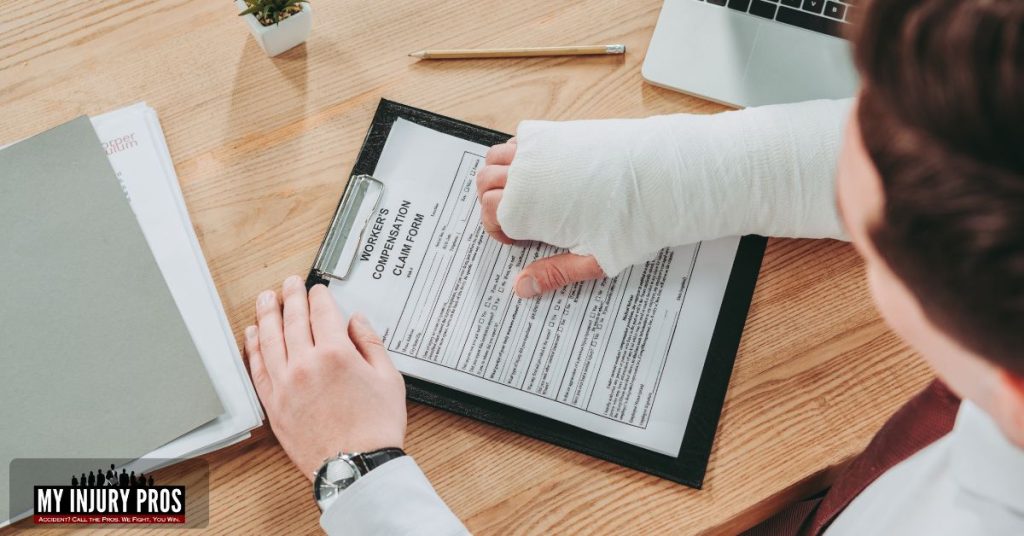
The amount of time you have to file a slip and fall claim is governed by what’s known as the statute of limitations, which varies by state. In most states, this time limit ranges from one to three years from the date your workplace injuries were sustained. Failing to file within this window typically means losing your right to workers' compensation, regardless of how valid your claim may be. It’s important to check the specific laws in your state, as deadlines can differ significantly.
Generally, the clock starts ticking on the date the slip and fall accident occurred, but there are situations where the timeline may be different. For example, if the fall injury wasn’t immediately apparent, such as a delayed diagnosis of a concussion or internal injury, the statute of limitations might begin from the date the injury was discovered or should have reasonably been discovered. This is known as the “discovery rule” and can apply in cases where symptoms or damage are not instantly clear.
Filing early is always advisable, not just to ensure you meet the legal deadline but also to preserve crucial evidence, such as surveillance footage, eyewitness accounts, and hazard documentation. Additionally, some exceptions may extend the filing period, such as if the injured person is a minor or legally incapacitated at the time of the accident. However, these exceptions are limited, so consulting an attorney as soon as possible is the best way to protect your rights and build a strong case.
Quick action after a slip and fall at work is crucial for both your well-being and legal protection. Seeking prompt medical attention ensures that injuries, even those that appear minor at first, are properly diagnosed and treated. Communicating the incident promptly and documenting the scene helps preserve vital evidence, while understanding your rights ensures you don't miss out on compensation or benefits you're entitled to.
If you're unsure about the process or if your claim is denied or delayed, don't hesitate to seek professional help. Consulting with a workers' compensation lawyer can provide valuable guidance and support, helping you navigate the complexities of the claims process and ensuring your rights are fully protected.
Have you slipped and fallen at work? At My Injury Pros, we specialize in helping victims of slip and fall accidents get the compensation they deserve. Our experienced team of personal injury attorneys is ready to guide you through the complex process. Take the first step toward your recovery. Contact us for a free case evaluation today!
No, you cannot legally be fired for reporting a slip and fall, as doing so is considered protected activity under workplace safety and retaliation laws.
If you didn’t report the injury right away, you may still have a valid claim, but it could be harder to prove, so it's important to document everything and seek legal advice promptly.
In most cases, you cannot sue your employer directly for a slip and fall if they have workers’ compensation insurance, but you may be entitled to benefits through that system.
If a third party was responsible for your slip and fall, you may be able to file a separate personal injury lawsuit against them in addition to receiving workers' compensation.
You may feel fine initially, but it's important to monitor for symptoms like pain, dizziness, or swelling and seek medical evaluation to rule out hidden injuries.
Work-related injuries are physical or mental harms that occur due to job duties or workplace conditions. Time limits, called statutes of limitations, are important because missing them can permanently prevent you from suing or receiving compensation.
To sue for work-related injuries, you typically have 1 to 3 years from the exact date of your workplace injury to file a lawsuit, depending on your state’s laws. If you miss the deadline, the worst-case scenario is losing your right to file a claim entirely, no matter how strong your case is.
Have you been injured at work and are unsure of your next steps? At My Injury Pros, we specialize in helping workers navigate the complex world of work-related injuries, ensuring you receive the compensation you're entitled to. Whether you're dealing with a slip and fall, repetitive strain injury, or any other work-related accident, our experienced team is here to guide you through the process of your workplace injury claim. Let us help protect your rights and get the compensation you deserve. Don’t wait, contact us today for a free consultation!
This blog will explore how much time you have to sue for a work-related injury, why deadlines matter, and what can happen if you miss them.

A workplace injury is any physical, mental, or emotional harm that occurs while performing job duties or as a result of the work environment. These injuries can happen on-site, during work-related travel, or even off-site if the task is job-related. They include sudden accidents like falls, equipment malfunctions, and long-term conditions caused by repetitive tasks or ongoing exposure to harmful conditions. Mental and emotional injuries, such as anxiety or PTSD from a traumatic work incident, may also qualify depending on the circumstances.
Common examples of workplace injuries include slip and fall accidents, construction site injuries, repetitive motion injuries like carpal tunnel syndrome, and back injuries from heavy lifting. Office workers may suffer from strain injuries, while those in industrial or labor-intensive jobs face higher risks of serious injury from accidents. In some cases, even workplace stress or exposure to toxic and harmful substances can lead to conditions considered work-related. Understanding what qualifies as a work-related injury is the first step in knowing your rights and options to receive workers' compensation benefits.
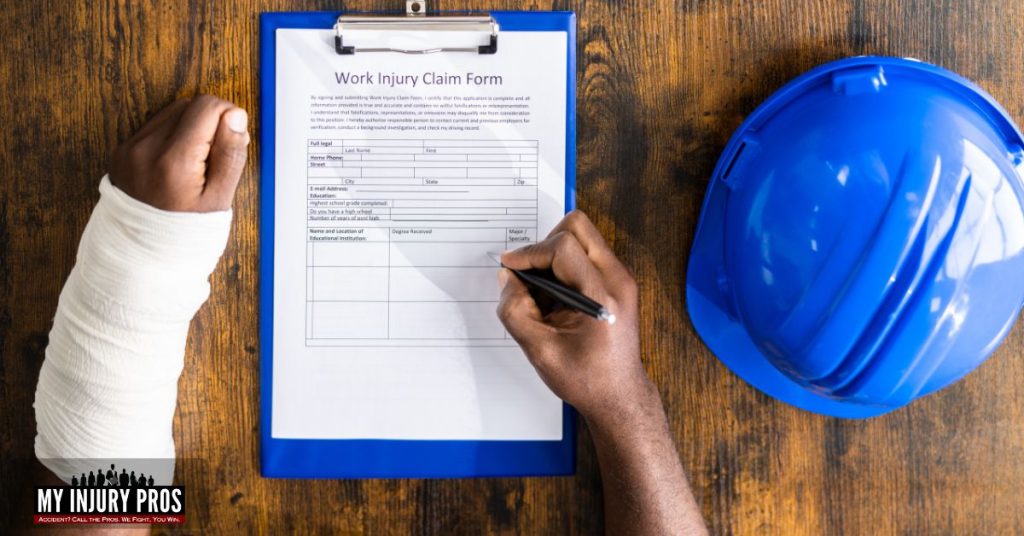
A statute of limitations is a legal time limit within which you must take action, such as filing a work injury lawsuit or claim. It is considered the personal injury claim deadline. In the context of workers' compensation, the statute of limitations ensures that claims are filed promptly, helping both the injured party and the employer manage the legal process efficiently. It prevents indefinite liability for employers and ensures that evidence is fresh and witnesses are available, which is critical to a fair case.
In work-related injury cases, the statute of limitations serves to protect employers from facing claims long after an incident, which could lead to lost evidence and unreliable testimonies. For workers, it encourages prompt reporting and action and helps to make sure that they don’t miss out on critical workers' compensation settlements. Each state has different deadlines, but in general, you must notify your employer of the injury within 30 days and file your workers’ comp claim within 1 to 2 years from the date of the injury or discovery of the injury.
It’s important to report injuries immediately, even if they seem minor, to avoid missing the critical deadlines. Failing to do so could result in losing your right to file a claim or receive compensation. By acting quickly and understanding the statute of limitations, you can better protect your rights and ensure you don’t miss out on benefits you deserve.
The Discovery Rule is an exception to the statute of limitations that allows the clock to start ticking later if the injury wasn’t immediately apparent. This is particularly relevant for latent injuries or illnesses, such as repetitive stress injuries, or conditions like cancer that develop over time. If you didn’t realize the injury was serious until months or even years later, the discovery rule may allow you to file a workers' compensation claim beyond the discovery phase or standard time frame.
Minors or legally incapacitated individuals are also given extended deadlines due to their inability to fully understand or manage their legal rights. In these cases, the statute of limitations may be paused or extended until the person reaches legal adulthood or regains the capacity to act on their own behalf. This ensures that vulnerable workers still have the opportunity to pursue claims once they can do so.
Additionally, if an employer fraudulently conceals the injury or fails to inform you of your rights, the deadline may be extended to account for this misconduct. Some jurisdictions have also introduced COVID-related exceptions. These extensions provide extended filing deadlines due to the impact of the pandemic. In these cases, workers may be allowed extra time to file claims due to the disruptions caused by COVID-19, such as difficulties in accessing medical care or filing paperwork.
A third-party lawsuit involves suing someone other than your employer for a work-related injury. This could include equipment manufacturers, property owners, or other entities whose negligence contributed to the injury. For example, if a defective machine caused your injury, you may have grounds to sue the manufacturer. These types of lawsuits are separate from workers’ compensation claims and allow you to seek additional damages that workers' comp benefits might not cover, such as pain and suffering.
The statute of limitations for suing a responsible third party in personal injury lawsuits is generally 2 to 3 years from the date of the injury and varies depending on the state. This means that if you plan to pursue a third-party lawsuit, it’s essential to act quickly, as missing the deadline could result in losing your right to sue. It’s important to understand that while workers' comp has its deadlines, third-party claims come with separate time frames that must be adhered to.

If you miss the statute of limitations, your case may be dismissed. This means you lose the legal recourse to sue. Once the deadline expires, courts won’t allow your case to proceed, even if you have a valid claim. This is why it's crucial to file your lawsuit or workers' compensation claim within the required time frame.
The consequences of missing the statute of limitations go beyond losing the ability to sue. You may also lose out on compensation for medical bills, lost wages, and other damages. Additionally, missing deadlines can prevent you from pursuing workers’ compensation benefits, leaving you without a financial safety net for your injury.
It’s important to contact a personal injury lawyer as soon as possible after a work-related injury to ensure you meet the statute of limitations deadlines. A personal injury or workers' compensation lawyer can help you navigate the complex legal process and ensure that all necessary steps are taken when they should be. Waiting too long to reach out could risk missing important filing deadlines, so getting legal advice early on is essential to protecting your rights.
Lawyers play an important role in managing your claim by helping you file workers' compensation claims or lawsuits within the legal time frame. They will gather the necessary evidence, such as medical records, accident reports, and witness statements, and handle the legal paperwork. With their expertise, you can rest assured that your case is being handled correctly and on time, increasing your chances of receiving the compensation you're entitled to.
Many lawyers offer free initial consultations to discuss your case and assess whether you have a valid claim. Additionally, most personal injury and workers' compensation lawyers work on a contingency fee basis, meaning they only get paid if you win your case. This arrangement ensures that you can pursue legal action without the upfront costs, making it easier for you to get the help you need while staying within the statute of limitations.

After a workplace injury, your first step is to notify your employer in writing as soon as possible. This ensures there’s a formal record of the incident and is important for any future claims. Next, make sure to seek medical treatment, even if the injury seems minor. Also, keep detailed records of all treatments and visits. Documenting your work injury treatments and medical expenses can help support your case if you need to file a workers' compensation claim or a lawsuit.
It’s also important to document the scene of the accident where the injury occurred. Take photos if possible, and gather witness information from anyone who saw the incident. Also, seek legal counsel to understand your rights and options, especially if the work injury is serious or your employer isn’t cooperating. An attorney can guide you through the process and ensure you receive the compensation you're entitled to.
In most cases, workers cannot directly sue their employers for work-related injuries due to workers' compensation laws which give employers immunity. These laws provide a no-fault system where employees are entitled to compensation for medical expenses, lost wages, and other related costs without needing to prove negligence on the part of the employer. In exchange for this benefit, workers generally waive the right to file a lawsuit against their employer for the injury. If a worker, however, decides to pursue litigation in a personal injury case, it’s important to understand the legal process and the potential challenges that may arise during your legal claim.
Workers' compensation is typically the only remedy for on-the-job injuries, meaning that it is the primary and most direct way to seek compensation. While this system offers benefits like quicker access to medical care and financial support, it also limits the ability to pursue a lawsuit against the employer. However, in certain circumstances, such as cases of employer fraud or intentional acts that cause harm, an employee may be able to file a lawsuit outside of workers' compensation, but these situations are rare.
While workers’ compensation is typically the only remedy for work-related injuries, there are exceptions where you may be able to sue your employer directly. These exceptions include cases of gross negligence, where the employer’s actions were egregiously reckless, or intentional harm, such as deliberately causing harm to the employee.
Additionally, if your employer does not carry workers' compensation insurance, you may be able to file a personal injury lawsuit against them for damages. These exceptions allow injured workers to seek more extensive compensation than what workers' compensation might provide.
Injury claims are highly time-sensitive, as each state has strict deadlines for filing lawsuits or workers' compensation claims. Missing these deadlines can result in losing your right to seek compensation, leaving you without the financial support you may need for medical bills and lost wages.
To protect your legal rights and ensure you don’t miss out on potential compensation, it’s crucial to act promptly. Reporting your injury and consulting with a lawyer as soon as possible can help you navigate the process within the required time limits, giving you the best chance of success.
Injured at work? At My Injury Pros, we’re here to help you get the compensation you deserve. Let us guide you through the process. Contact us today for a free case evaluation!
If you didn’t realize the injury was serious right away, you may still have time to sue, as the deadline often starts from the date you discovered, or reasonably should have discovered, the injury.
In most cases, accepting workers’ compensation means you waive the right to sue your employer, but you may still be able to file a lawsuit against a third party who contributed to your injury.
If your employer doesn’t have workers’ comp insurance, you may be able to sue them directly for your work-related injury and seek full compensation through a personal injury lawsuit.
Yes, you can still sue for a work-related injury after quitting or being fired, as long as you file within the legal time limit.
The average workers’ comp settlement varies widely based on factors like the severity of the injury and state laws, but it typically ranges from a few thousand to several hundred thousand dollars.
© 2026 My Injury Pros | All Rights Reserved |
Powered by GLP Marketing