
Short answer
Yes, but the claim usually runs against the driver and is paid by insurance Uber or the driver must carry. In New York outside New York City, the law requires at least $1.25 million in coverage from the moment a driver accepts a trip. Uber itself can be sued directly only on narrower grounds, such as its own negligence.
Ride-sharing services like Uber have become increasingly popular worldwide due to their convenience, affordability and easy app-based access. However, with more vehicles on the road, accidents involving ride-share drivers have also risen.
In an Uber accident, responsibility can fall on the Uber driver, another driver or even Uber itself. This all depends on who was at fault and whether the driver was actively using the Uber app at the time. Knowing your legal rights after an accident is important because it ensures you're not taken advantage of while seeking fair compensation.
Were you injured in an Uber car accident and unsure of what to do next? At My Injury Pros, we understand how overwhelming it can be to figure out who’s responsible, whether it’s the Uber driver, another motorist, or even Uber itself. Rideshare accident cases involve unique legal challenges, but our experienced team knows how to navigate them and fight for the compensation you deserve. Contact us today for a free, no-obligation consultation and let us help you take the right legal action.
This blog will explain when and how you can sue Uber after an accident, who may be held responsible, and what your legal options are as a passenger, a driver, or a third party.
Rideshare and Uber’s Legal Structure
Uber’s business model categorizes its drivers as independent contractors, rather than employees. This means that Uber does not directly hire or manage drivers the way traditional employers do. Instead, drivers use the Uber app to connect with passengers and are considered independent contractors, not employees. Uber drivers are responsible for their vehicle expenses, work hours, and tax filings. While this setup provides drivers with flexibility, it also limits Uber’s liability and legal obligations in the event of accidents or misconduct.
This independent contractor status plays a major role in determining liability coverage during a lawsuit. If an accident happens, Uber often tries to distance itself from legal responsibility by arguing that the driver, not the company, is at fault. However, there are situations where Uber can still be held liable, especially if the Uber driver was logged into the app and in transit with a passenger. Uber also maintains commercial insurance during active rides, with limits that vary by state (in New York outside New York City, the legal minimum is $1.25 million), which can come into play depending on the timing and circumstances of the crash.
It’s important to understand the difference between suing the driver directly and suing Uber. If the Uber driver was offline or not using the app when the accident occurred, the victim usually has to file a claim against the driver’s personal insurance policy. But if the Uber driver was actively on a ride or en route to pick someone up, Uber’s insurance coverage may apply, and in certain cases, the company itself could be named in a lawsuit. Knowing this distinction is key to pursuing legal action after an Uber accident.
Which policy pays in New York depends on the driver's app status
New York wrote the rideshare insurance rules into Vehicle and Traffic Law § 1693. The statute sets minimums for two periods, and the period depends on what the driver was doing in the app at the moment of the crash. A "prearranged trip" starts when the driver accepts the ride request, continues while the passenger is in the car, and ends when the last passenger gets out (VTL § 1691(6)). So a driver heading to a pickup is already on a trip.
| Driver's status | Minimum coverage required in New York (outside NYC) |
|---|---|
| App off | No rideshare minimum under § 1693; the driver's own auto policy is the starting point |
| Logged on, waiting for a request | $75,000 per person and $150,000 per accident for bodily injury or death; $25,000 for property damage; plus no-fault coverage under Insurance Law article 51 (§ 1693(2)(a)) |
| Trip accepted through drop-off | $1,250,000 per occurrence for bodily injury, death and property damage; no-fault coverage; and $1,250,000 in supplementary uninsured/underinsured motorist coverage (§ 1693(3)(a)) |
The coverage can come from the driver's policy, from a group policy Uber maintains, or a mix of the two. Two subsections answer the "who pays first" question directly. If the driver's own insurance has lapsed or does not provide the required coverage, Uber's group policy must cover the claim "beginning with the first dollar" and defend it (§ 1693(5)). And Uber's group coverage cannot be made to wait for the driver's personal insurer to deny the claim (§ 1693(6)).
A related point for riders: an insurer may not put a mandatory arbitration clause in a policy issued under § 1693 (§ 1693(13)). That rule is about the insurance policy. It is separate from the arbitration clause in Uber's terms, covered below.
Uber rides inside New York City follow different rules
Everything in the table above is outside the five boroughs. The rideshare article does not authorize a TNC driver to pick up a passenger for a prearranged trip "in a city with a population of one million or more" (VTL § 1700(2)), and § 1693(12) says the section imposes no financial responsibility requirements on vehicles for hire in such a city. The definition of a TNC vehicle excludes New York City for-hire vehicles (§ 1691(1)(c)(iv)).
In the city, Uber operates under the Taxi and Limousine Commission. The TLC lists Uber and Lyft as High-Volume For-Hire Services, a license category created by Local Law 149 of 2018 for TLC-licensed bases that dispatch more than 10,000 trips a day. Uber's own driver insurance page lists its rideshare certificates for "New York (excluding NYC)" and says drivers who use a licensed for-hire vehicle "must have your own commercial insurance to drive with Uber." After a crash in the city, the insurance questions start with that vehicle's commercial policy, not with § 1693.
What Damages Can You Claim After an Uber Accident?
After a rideshare accident, you can claim financial compensation for medical bills. This usually covers hospital visits, surgeries, medications, and ongoing treatment. If you sustained serious injuries that prevent you from working, you may also be entitled to damages for lost wages and reduced future earning capacity.
In addition, victims can pursue compensation for pain and suffering, which covers both physical and emotional distress. Property damage, such as broken personal items or vehicle repairs, may also be included in your claim depending on the circumstances.
In New York, no-fault benefits come first
Both rideshare periods in § 1693 require coverage that satisfies article 51 of the Insurance Law, New York's no-fault system. No-fault pays "basic economic loss" up to $50,000 per person, which covers medical expenses, lost earnings up to $2,000 a month for up to three years, and other reasonable expenses up to $25 a day for one year (Insurance Law § 5102(a)). Lost-earnings payments are reduced by 20 percent under § 5102(b).
Which policy pays no-fault depends on where you were. Insurance Law § 5103(a)(1) covers "persons, other than occupants of another motor vehicle" under the policy on the vehicle involved, which takes in the Uber's passengers and pedestrians it strikes. If you were driving or riding in another car, you look first to that car's own coverage.
No-fault limits lawsuits between covered people, too. Under § 5104(a), you cannot recover non-economic loss, such as pain and suffering, unless you have a "serious injury." The definition in § 5102(d) includes death, dismemberment, significant disfigurement, a fracture, loss of a fetus, and permanent or significant limitations of use of a body organ, member, function or system. Economic loss above what no-fault pays can still be claimed from the at-fault driver.
When Can You Sue Uber Directly?
While bringing a case against Uber can be challenging, there are specific situations where the company itself may be held legally responsible. Whether it’s due to driver negligence while on the app or failures in Uber’s hiring or safety policies, understanding when you can hold the company itself accountable is key to building a strong legal case.
Cases of Gross Negligence by Uber
You can sue Uber directly when the company engages in gross negligence that shows a disregard for the safety of passengers. A common example is when Uber fails to properly vet a driver's status, such as checking for a criminal record or a history of reckless driving. If that rideshare driver causes harm, Uber may be held liable for knowingly putting users at risk by allowing a dangerous person to operate on their platform.
Defective App or System-Related Errors
Technology can also expose Uber to liability if flaws in its app contribute to an Uber vehicle accident. For example, GPS failures that send drivers down unsafe routes, app glitches that interfere with navigation, or constant notifications that lead to distracted driving may form the basis of a personal injury claim. In these cases, you may be able to file a lawsuit against Uber directly for design flaws or system issues that created unsafe driving conditions.
Suing for Emotional Distress or Secondary Damages
Uber may be sued for emotional trauma or secondary damages when a rideshare experience results in mental distress, anxiety, or PTSD. These claims often arise after assaults by drivers or highly traumatic accidents. If it can be shown that Uber’s policies or negligence contributed to the incident, the rideshare company may be held accountable not just for physical harm but for emotional suffering as well.
3 Types of Uber-Related Accidents
Not all Uber-related accidents are the same. Each type can affect who’s liable and what kind of settlement you may be eligible for. Whether you're a passenger, another driver, or even a pedestrian, the circumstances of the crash are important. We'll break down the three most common types of Uber-related accidents and what they mean for your legal options, so that you’ll know when to take action and when to reach out to My Injury Pros for a free consultation.
1. You Were a Passenger in an Uber
If you were injured while riding as a passenger in an Uber, you're typically covered under the company's insurance policy. Uber's trip-period liability coverage applies from the moment the driver accepts the ride request until the last passenger gets out; in New York outside New York City, that coverage must be at least $1.25 million. Injuries can range from minor bruises to severe trauma, but regardless of severity, you may be entitled to recover compensation for medical bills, lost wages, and more. Uber's coverage does not wait for the driver's personal policy to run out: in New York, if the driver's own insurance has lapsed or does not provide the required coverage, Uber's group policy must pay from the first dollar of the claim.
2. You Were Hit by an Uber as a Pedestrian or Another Driver
Whether you're a pedestrian or another driver, being in an accident involving an Uber vehicle can be complex. If the Uber driver was logged into the app and either on a trip or en route to pick someone up, Uber’s commercial insurance may apply. However, you must prove fault to determine who pays. This could include reviewing police reports, traffic cams, and driver behavior.
3. You Were the Uber Driver
As an Uber driver, your coverage depends on your status in the app at the time of the crash. If you’re offline, only your insurance applies. If you're online and waiting for a ride, Uber offers limited liability coverage. Once you accept a ride request or have a passenger in the car, Uber’s full commercial policy, including liability and uninsured motorist coverage, comes into effect.
If you were hurt while driving for Uber in New York
Drivers have a benefit source that riders do not. The New York Black Car Operators' Injury Compensation Fund, created by Chapter 49 of the Laws of 1999 under Executive Law article 6-F, provides workers' compensation to drivers dispatched by its member bases. The Fund lists high-volume for-hire vehicle bases and transportation network companies among the bases whose drivers are eligible, and its member list showed "Uber USA LLC." and "Lyft, Inc. (non NYC TLC)" as of October 27, 2026.
The Fund's FAQ says coverage applies to injuries on a job dispatched by a member base. It does not pay for damage to your car, and it does not cover your passengers. Wage benefits are figured at two-thirds of your average weekly wage, subject to the state maximums, and are not paid for the first seven days of disability unless it lasts more than 14 days (claimant benefits). A workers' compensation claim through the Fund and a claim against another driver who caused the crash are separate matters.
How New Jersey's rideshare law compares
Our attorneys are also admitted in New Jersey, where rideshare coverage was set by the Transportation Network Company Safety and Regulatory Act, P.L.2017, c.26. As enacted, section 10 of that law requires primary coverage of at least $50,000 per person, $100,000 per incident and $25,000 for property damage while a driver is logged on and available, plus personal injury protection. During a prearranged ride the minimum rises to $1,500,000 in liability coverage and $1,500,000 in uninsured and underinsured motorist coverage. Under section 10(j), the TNC and the driver may not assert New Jersey's "limitation on lawsuit" option in a suit arising from a prearranged ride.
Steps to Take After an Uber Accident
After an Uber accident, your priority should be to seek immediate medical attention, even if you don’t feel seriously injured at the moment. Some injuries may not show symptoms immediately, and having medical records early on helps strengthen any future claims.
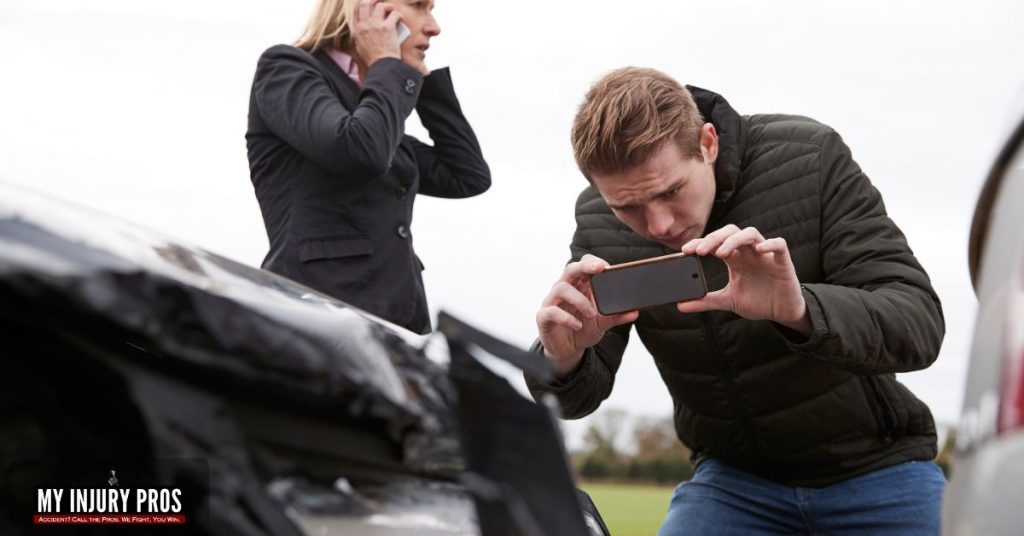
Once you’re safe, gather evidence from the scene where the crash occurred. Document the time of the accident and take photos of the cars, road conditions, and any visible bodily injuries. If there are witnesses, gather their names and contact information, as they may be key to proving what happened.
Next, it’s important to report the incident to both Uber and local law enforcement. Uber has a system in its app for reporting accidents, and a police report adds an official record of the event. Ultimately, seek legal help from a personal injury attorney who has experience handling rideshare cases. These accidents can involve complicated insurance issues and liability questions, so having a legal expert on your side can make all the difference in getting the settlement you deserve.
One detail worth asking for at the scene: New York requires a rideshare driver to carry proof of the rideshare coverage, in addition to the regular insurance card, and to produce both when an insurance card must be shown by law if the driver was logged on or on a trip (VTL § 1693(9)). Uber's insurance page gives riders and third parties their own online forms for reporting a crash.
Records that prove the driver's app status in New York
Most coverage disputes in a New York rideshare claim come back to one question: at the moment of the crash, was the driver offline, logged on and waiting, or on a trip? The rideshare article of the Vehicle and Traffic Law, which applies outside New York City, gives people involved in a crash a few ways to pin that down.
- Login and logoff times. In a claims coverage investigation, the rideshare company and any insurer covering the claim must, within fifteen days after a claim is filed, share relevant information with the parties directly involved. That includes "the precise times that a TNC driver logged on and off" in the twelve hours before and the twelve hours after the accident, plus a clear description of the coverage, exclusions and limits (VTL § 1695(6)).
- Coverage details from the DMV. The DMV commissioner must provide the rideshare insurance information on request to a person named in the accident report, or to someone who shows they are or may be a party to a civil action arising from it (§ 1695(8)).
- Trip and driver records. The company must keep individual trip records for at least six years, and driver records until six years after the driver's relationship with the company ends (VTL § 1697).
Why the driver's personal insurer may refuse the claim
New York allows a driver's personal auto insurer to exclude all coverage while the driver is logged on or providing a prearranged trip, including liability, no-fault and uninsured motorist coverage, and an insurer that uses the exclusion has no duty to defend those claims (§ 1695(1), (4)). The company has to warn drivers in writing, before they accept a trip, that their own policy might not cover them while logged on (VTL § 1694). If a personal insurer does defend or pay an excluded claim, it can seek contribution from the other insurers covering that driver (§ 1695(5)). A denial letter from the personal carrier is a reason to look at the app status, not the end of the claim.
Hypothetical illustration: a rideshare driver rear-ends your car in Albany at 6:40 p.m. The driver's personal insurer denies the claim under its rideshare exclusion. The log shared under § 1695(6) shows the driver logged on at 6:05 p.m. with no trip accepted, which places the crash in the logged-on period and its $75,000/$150,000/$25,000 minimums. Had the log shown a trip accepted at 6:35 p.m., the $1,250,000 trip-period minimum would apply instead. If the case goes to court, the same records can be sought in discovery.
Injured in an Uber accident? Contact My Injury Pros today for a free consultation and let our team of experienced attorneys fight to get you the settlement you deserve.
Challenges in Suing Uber
Filing a lawsuit against Uber can be challenging due to the arbitration clause buried in its terms of service, which most users agree to without realizing it. This clause most time requires disputes to be resolved through private arbitration instead of a court. It limits transparency and your right to a jury trial. Although there are exceptions, arbitration can slow the legal process and make it harder to hold Uber publicly accountable for your injuries.
What Uber's arbitration clause actually says
We read Uber's U.S. Terms of Service (marked "Last modified: 8/12/2026") on October 1, 2026. Section 2 requires account holders to resolve claims against Uber "on an individual basis in binding arbitration," and it lists "incidents or accidents resulting in personal injury or death to you or anyone else" in connection with use of the services. Under section 2(a)(5), it also reaches claims by "guest riders," people for whom you requested a ride.
Section 2(b) carves out three kinds of claims: individual claims in small claims court, individual claims of sexual assault or sexual harassment connected to the services, and certain intellectual-property claims. The clause is framed as an agreement between Uber and the person who accepted the terms, plus that person's guests and others claiming through them. It does not name pedestrians or occupants of other vehicles who never used the app. Whether a court enforces it in a given case depends on the facts.
Uber also uses strong legal defenses and often argues that its drivers are independent contractors to avoid liability. Backed by a well-funded legal team, the company works to shift blame and minimize payouts through its limited liability policy. On top of that, injured parties must navigate strict filing deadlines, as if you wait too long to act, you could lose the right to sue entirely.
In New York, most personal injury lawsuits must be started within three years under CPLR 214(5), with exceptions listed in the statute. Lyft claims raise many of the same questions; see our page on suing Lyft after an accident.
How Can an Attorney Help You Sue Uber

Taking Uber to court involves complex legal issues, from navigating arbitration clauses to proving the company's liability. An experienced attorney understands the specific challenges of Uber accident cases and can guide you through every step. They make sure your rights are protected and that you don’t settle for less than you deserve.
A personal injury lawyer will gather evidence, interview witnesses, obtain police reports, and analyze Uber’s app data to build a strong case. An attorney will also deal with Uber's insurance company and negotiate a fair settlement. Most personal injury lawyers work on a contingency fee basis, so you pay nothing upfront and only owe legal fees if you win or settle.
Want to Sue Your Uber?
Yes, it’s possible to initiate legal action against Uber, but whether you have a valid case depends on several factors, like who was at fault, whether the driver was logged into the app, and the specifics of the accident. Uber often shields itself from direct liability by classifying drivers as independent contractors, so the details matter.
Legal advice early on can make a big difference in the outcome of your case. If you’ve been injured, make sure to document everything. Take photos, get witness information, file a police report, and seek medical care right away. The sooner you act and consult a lawyer, the stronger your case will be.
Think you might have a case after an Uber accident? At My Injury Pros, we’ll help you understand your rights, deal with Uber’s insurance, and fight for the settlement you deserve. Let’s get you the help you need. Contact us today for a free consultation!
Frequently asked questions
Can you sue Uber directly after an accident in New York?
Sometimes. Most claims are brought against the at-fault driver and paid by the rideshare insurance § 1693 requires. A claim against Uber itself needs a theory aimed at the company, such as its own negligence. For a closer look at the company's role, see whether Uber is responsible for accidents.
How much insurance must an Uber driver have in New York?
$1.25 million during a trip, outside New York City, and $75,000/$150,000/$25,000 while logged on and waiting (VTL § 1693(2)(a), (3)(a)).
Is the driver covered on the way to pick me up?
Yes, at the trip level. New York defines a prearranged trip as beginning when the driver accepts the request (VTL § 1691(6)), so the $1.25 million minimum applies from that point, not only once you are in the car.
Does Uber's insurance pay only after the driver's insurance is used up?
No. If the driver's own coverage has lapsed or falls short, Uber's group policy must pay "beginning with the first dollar of a claim" (VTL § 1693(5)), and its coverage cannot depend on the driver's insurer first denying the claim (§ 1693(6)).
Do the same rules apply to an Uber ride in New York City?
No. VTL § 1700(2) does not authorize rideshare pickups in a city of one million or more, and the TLC licenses Uber in the city as a High-Volume For-Hire Service. Drivers there use licensed for-hire vehicles with their own commercial insurance.
Do I file a no-fault claim after an Uber crash in New York?
Yes. § 1693 requires the rideshare coverage to satisfy article 51 of the Insurance Law, the no-fault statute. No-fault pays basic economic loss up to $50,000 per person under Insurance Law § 5102(a).
Can I sue for pain and suffering after an Uber accident in New York?
Only if you have a "serious injury" as Insurance Law § 5102(d) defines it, such as a fracture or significant disfigurement. Section 5104(a) bars recovery of non-economic loss between covered persons without one. Our car accident claims page covers the wider claim process.
Do I have to arbitrate my injury claim against Uber?
If you are a rider who accepted Uber's terms, the terms say yes for claims against Uber, with exceptions for small claims court and sexual assault or harassment claims. The clause does not name pedestrians or people in other cars who never used the app. Claims against the driver are a separate matter.
How long do I have to sue after an Uber accident in New York?
Three years in most cases, under CPLR 214(5). The statute lists its own exceptions, so the date of the crash matters from day one.