Have you experienced an accident in an Uber? As ride-sharing services like Uber have grown in popularity, questions about who is responsible in the event of a crash have become increasingly important for passengers, drivers, and others on the road. Yes, Uber is responsible for accidents in certain situations, typically when the driver is actively using the app and covered by Uber’s insurance policies.
Were you hurt in an Uber accident and unsure who is responsible? At My Injury Pros, our experienced Uber car accident lawyers have extensive experience navigating Uber’s complex insurance rules and proving liability in challenging cases. We’ve successfully helped victims secure maximum compensation from car accident claims, whether the driver was on duty, off duty, or in between rides. Contact us today for a free consultation and let us hold the right parties accountable while you focus on healing.
In this post, we'll break down when Uber might be held accountable for accidents, how blame is figured out, and the implications for passengers, drivers, and anyone else involved.
What Is Uber’s Role in Ride-Sharing Accidents?
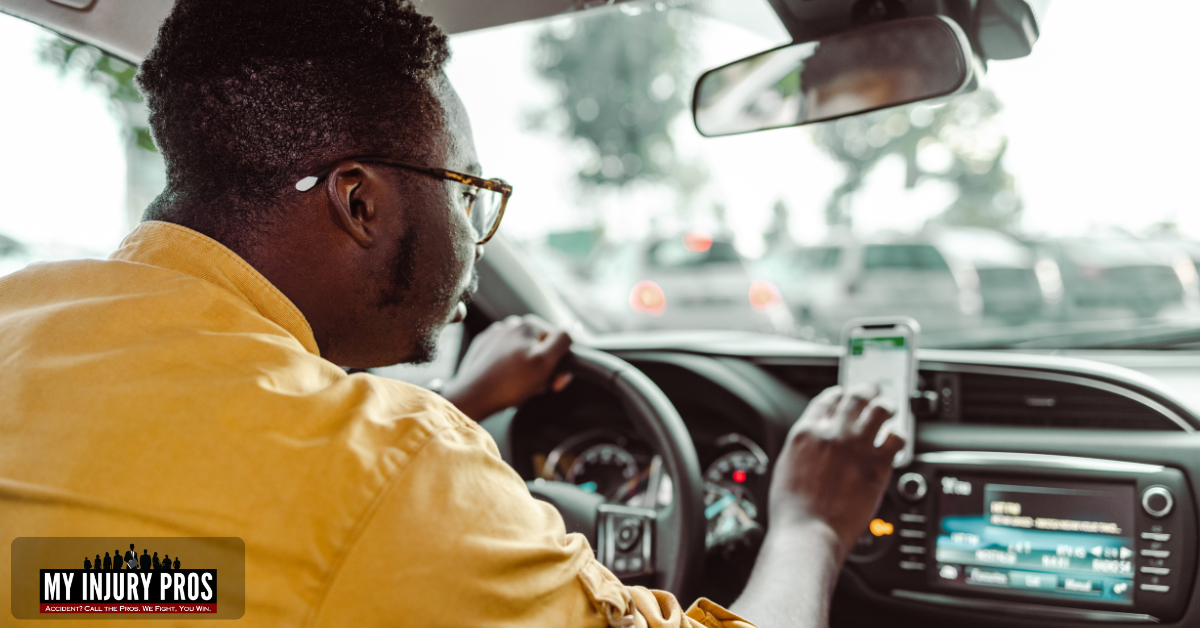
Uber operates primarily as a service that connects passengers with independent drivers through its mobile app. Uber, a transportation network company, does not own the vehicles or directly employ the drivers but instead facilitates ride requests, payments, and basic safety features like GPS tracking. This structure allows Uber to offer convenient transportation services while maintaining a level of separation from the actual operation of the vehicles.
Because Uber classifies its drivers as independent contractors rather than employees, it usually has limited legal involvement in accidents. Typically, drivers bear responsibility for their actions during a crash. Uber may still provide insurance coverage under certain circumstances, but such an arrangement does not necessarily mean the company accepts fault for the accident itself.
Assigning responsibility in Uber-related accidents can be challenging, especially when multiple parties are involved. Factors that determine liability include whether the driver was logged into the app, actively transporting a passenger, or at fault for the crash. This complexity often leads to disputes between insurance companies, drivers, and victims, which is why having clear evidence and strong legal guidance is crucial when pursuing a claim.
Types of Accidents Involving Uber Vehicles
Accidents caused by an Uber driver's actions during a ride can happen due to speeding, distracted driving, or failure to follow traffic laws. Uber's $1 million commercial insurance policy generally covers passengers in these cases, and claims may also involve other at-fault parties.
Uber drivers' personal insurance handles any accidents they cause when they are off-duty or not logged into the app. Uber’s coverage does not apply in these situations, leaving victims to pursue claims directly with the driver’s insurer.
Some accidents involve third parties, such as other drivers, cyclists, or pedestrians. Liability in these types of personal injury cases depends on who was at fault, and multiple insurance companies may be involved in covering damages.
How Does the Law Define Uber’s Accident Liability?
Liability laws for ride-sharing accidents are designed to determine who is responsible for covering damages when an Uber trip goes wrong. These laws consider factors such as the driver’s fault, the driver’s status in the app at the time of the crash, and the availability of insurance coverage. Because Uber operates across multiple jurisdictions, the exact rules can vary by state or province, making local regulations an important factor in each case.
Uber classifies its drivers as independent contractors rather than employees, which significantly limits the company’s direct legal responsibility for accidents. This classification means that, in most cases, drivers are treated as separate business operators who are personally liable for their actions on the road. As a result, holding Uber itself accountable often requires proving the company’s negligence, such as failing to maintain safety standards or properly vet drivers.
To protect passengers and drivers, Uber provides a layered insurance structure that changes based on the driver’s activity. This includes contingent liability coverage when the driver is waiting for a ride request and up to $1 million in commercial coverage during active trips. These policies aim to ensure that accident victims have a source of receiving fair compensation, even if the driver is underinsured.
Is Uber Responsible for Accidents?
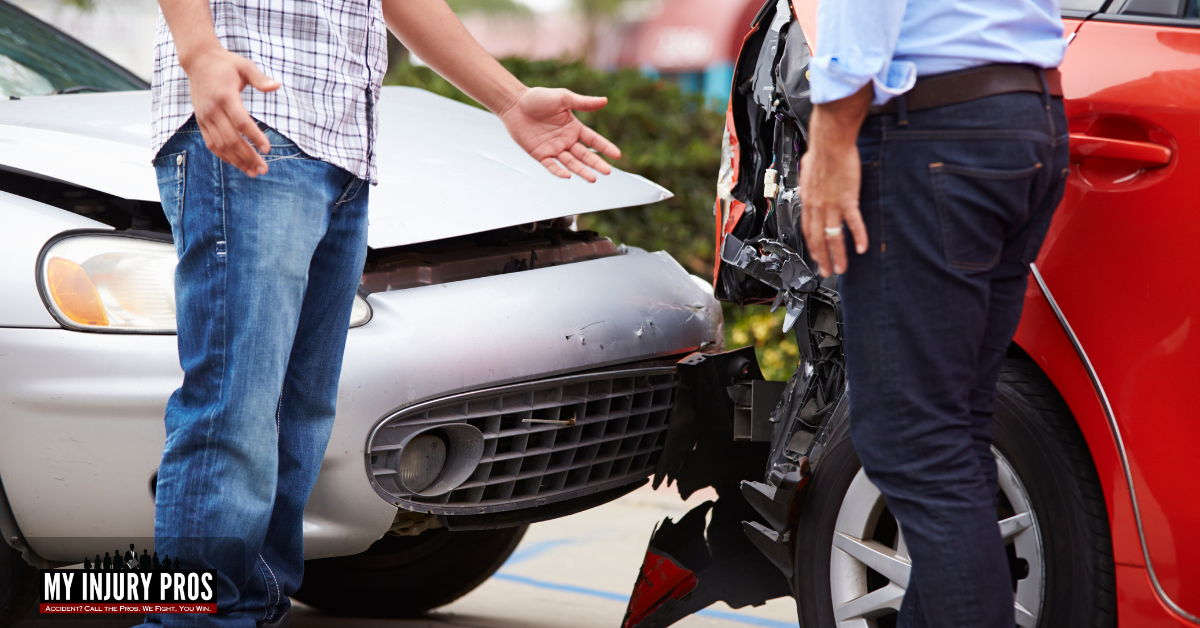
Determining whether Uber is responsible for an accident isn’t always straightforward. Responsibility often depends on the driver’s status in the app; the specifics of the crash and the applicable liability laws all play a role. Understanding these factors can help injured parties know who to hold accountable and how to pursue compensation.
When Is Uber Responsible for Accidents?
Uber can be held liable for your injuries in certain accidents that occur when a driver is actively engaged with the app, either en route to pick up a passenger or during the trip itself. Uber's $1 million commercial insurance policy typically covers bodily injury and property damage in these cases. This coverage is designed to protect both passengers and third parties when the driver is at fault, though claims may still involve other liable parties.
Uber’s responsibility also extends to maintaining a reasonable standard of safety through its driver screening and background checks. While the company’s insurance policies, such as contingent liability coverage when waiting for a ride request and full commercial coverage during trips, provide financial protection, they do not replace Uber’s duty to screen drivers and ensure they are fit to operate. Uber may incur additional liability if these safety measures fail to prevent an accident.
When is Uber Not Responsible After an Accident?
Uber is usually not liable for accidents when the driver is off-duty or not logged in. In these situations, the trip is considered personal use, and Uber’s insurance does not apply.
If a driver logs into the app without accepting a ride, the driver's personal insurance usually takes precedence. Uber’s contingent coverage only applies if the driver’s personal auto insurance won’t pay or doesn’t cover the full amount.
Liability limits also vary by jurisdiction, with some regions offering broader protections for victims compared to others. Local laws can determine whether Uber bears any responsibility or if claims must be pursued solely through the driver’s insurance.
Can Passengers Sue Uber for Injuries in Accidents?

Passengers injured in an Uber car accident can seek compensation. This can be done either by filing a claim against the driver’s insurance or by seeking compensation through Uber’s liability coverage. If the Uber driver was at fault, Uber’s $1 million insurance policy may apply, provided the driver was logged into the app and carrying a passenger at the time of the crash. In some cases, passengers may also have claims against another involved driver if that party caused or contributed to the accident.
Determining liability in Uber car accident cases often depends on the driver’s app status, the cause of the accident, and available evidence such as police reports or witness statements. While Uber’s insurance may cover damages, whether you can sue Uber directly can be challenging due to its classification of drivers as independent contractors. This setup can limit Uber’s legal responsibility, meaning passengers may face hurdles like arbitration clauses or proving company negligence before pursuing a lawsuit.
Does Uber’s Insurance Cover All Accident Scenarios?
Uber provides several layers of insurance coverage that vary depending on the driver’s status in the app. When an Uber or Lyft driver is offline, only their personal insurance policy applies. If the driver is logged into the app but has not accepted a ride request or is not actively transporting passengers, Uber offers contingent liability coverage, which is secondary to the driver’s own insurance policy. Uber's insurance policy applies to both bodily injury and property damage once the driver accepts a trip and passengers are in the vehicle.
The coverage limits are designed to address serious accidents, with the $1 million commercial policy typically covering medical expenses, lost income, and property repairs. However, the contingent coverage available before a ride starts is significantly lower, often capped at $50,000 per person and $100,000 per accident for bodily injury, plus $25,000 for property damage. These differences can greatly impact the compensation available to injured parties, depending on when the accident occurred during the ride process.
Uber’s insurance only applies in specific scenarios, which means not every accident involving an Uber driver will be fully covered by the company. For instance, if the driver is using the vehicle for personal reasons or is offline in the Uber app, Uber's liability insurance does not apply. Similarly, if the driver violates Uber’s terms, such as driving under the influence or using an unauthorized vehicle, coverage may be denied. Understanding these distinctions is critical for anyone injured in an Uber-related accident, as it determines whether you can seek compensation through Uber’s insurance or must rely on other sources.
How Do You File a Claim Against Uber or Its Driver?
After an Uber accident, you should seek immediate medical attention. Once you are safe, please report the accident to Uber through the Uber website or the Uber app to ensure the company has an official record.
Gather evidence at the accident scene, including photos of vehicle damage, injuries, and road conditions, as well as witness statements and contact information. File a police report to create an official account of the incident, which can be crucial for you to pursue fair compensation.
Collect all relevant trip details, such as the driver’s name, contact and insurance information, license plate number, ride receipt, and trip time. Additionally, notify your insurance company promptly to enable them to begin their part of the personal injury claims process. It is important to document all related expenses, including medical bills, lost wages, and any other costs tied to the accident.
Consulting a personal injury attorney can help you understand your legal options and determine the best strategy for seeking proper compensation. Finally, submit all required documents and evidence to Uber’s insurance provider to initiate your claim.
At My Injury Pros, our Uber accident lawyers have the experience and legal knowledge to determine Uber’s responsibility and fight for the compensation you deserve. Contact us for a complimentary case review.
Ready to Protect Your Rights After an Uber Accident?
Uber’s responsibility in accidents depends on factors like the driver’s status in the app, who was at fault, and applicable insurance coverage. While Uber offers commercial insurance coverage that can provide significant protection during active trips, its liability is limited when drivers are off-duty or using their vehicles for personal reasons.
Understanding your rights and the liability insurance coverage available to you is essential, whether you are a passenger or a driver. Knowing how liability works can help you take the right steps to protect yourself and secure fair compensation after an accident. Most importantly, having skilled legal representation can make all the difference.
Have you been injured in an Uber accident? The experienced attorneys at My Injury Pros have the experience to navigate insurance hurdles, prove liability, and fight for your rights. Schedule a consultation today for the compensation you deserve.
Frequently Asked Questions (FAQs)
When an Uber ride ends in an accident, figuring out who’s responsible can be complicated. This FAQ answers common questions to help you understand how responsibility is determined and what steps you should take next.
Is Uber Liable for All Accidents Involving Their Drivers?
No, Uber is not automatically liable for all accidents involving its drivers. Liability depends on factors such as the user’s status in the app at the time of the accident and the specifics of the incident.
Can Uber Be Held Accountable if the Driver Is off Duty?
No, if an Uber driver is off duty and not using the app, Uber is generally not responsible for any accidents that occur. In such cases, the driver’s personal insurance is the primary source of coverage for any damages or injuries.
How Long Do You Have to File an Uber Accident Claim?
The time limit to file an Uber accident claim, referred to as the statute of limitations, varies by state or province and ranges from one to three years. Missing this deadline can prevent you from recovering any compensation, regardless of how strong your case is.
What Happens if Uber Drivers Have No Personal Insurance?
If an Uber driver has no personal insurance, Uber’s coverage may only apply when the driver is logged in to the app, which leaves gaps in protection when the driver is off duty. This means victims of off-duty accidents may have to pursue claims directly against the driver for compensation.
What Are Your Rights as a Passenger in an Uber Crash?
If you are a passenger in an Uber crash, you are entitled to seek compensation for your injuries and damages through Uber’s insurance or the at-fault party’s coverage. Acting quickly to gather evidence and seeking the advice of a personal injury attorney can greatly improve your chances of securing fair compensation during the Uber claims process.
Does Uber Take Responsibility for Accidents?
Uber may take responsibility for car accidents if the driver was logged into the app and actively working, but liability often depends on the driver’s status at the time of the crash. In many cases, the applicable insurance coverage and fault determination will decide whether Uber must compensate those injured.
How Much Does Uber Pay Out for Accidents?
Uber’s liability insurance can pay up to $1 million for accidents when the driver is actively transporting a passenger or on the way to pick one up, though the exact payout depends on the case details. This coverage can help compensate for medical bills, lost income, and other damages resulting from the crash.