
Supplemental Nutrition Assistance Program (SNAP) is the largest anti-hunger program in America. It offers monthly food assistance to low-income individuals and families based on income, assets, and household size. However, personal injury settlements can raise concerns because they may increase income limits or assets, and potentially affect eligibility for benefits.
Yes, a personal injury settlement affects your food stamps (SNAP benefits) depending on how the settlement is classified. If you receive a lump sum, it may be counted as income or an asset and could push you over eligibility limits. However, structured settlements or placing funds into a Special Needs Trust might help protect your benefits.
Worried that your personal injury settlement could cause you to lose your food stamp benefits? At My Injury Pros, we specialize in navigating the complexities of how settlements affect SNAP eligibility. Our experienced personal injury attorneys can help structure your settlement to minimize its impact and ensure you retain the support you need. Don’t risk losing your benefits. Protect both your settlement and your food stamps. Contact us today for a free consultation!
This post will explore how a personal injury settlement can impact your food stamps (SNAP benefits) and what steps you can take to protect your eligibility.
What is the SNAP Program?

The Supplemental Nutrition Assistance Program (SNAP) is a federal initiative designed to help low-income individuals and families afford nutritious food. SNAP provides monthly benefits through an Electronic Benefit Transfer (EBT) card, which can be used to purchase eligible food items at authorized retailers. This needs-based program plays an important role in reducing hunger, boosting food security, and supporting local economies by directing federal funds to grocery stores and food suppliers. It serves millions of Americans each year and is a key component of the nation’s social safety net.
Understanding how changes in your financial situation may affect SNAP benefits is important. Depending on the nature and amount of the settlement, it could be considered income or an asset, and potentially affect eligibility of federal government benefits. For example, a large lump-sum payment might exceed the program’s financial thresholds. However, with proper planning, including placing the settlement money into a special needs trust, it is possible to maintain eligibility while still accessing the funds. Being aware of these factors helps recipients make informed decisions and avoid unintended disruptions in support.
How SNAP Benefits Are Calculated
SNAP benefits are primarily based on the total household's income and size. To satisfy conditions, a household must meet certain limited income standards, which are divided into gross and net income. Gross income includes all earned and unearned income, such as wages, unemployment benefits, and Social Security. Net income is calculated by subtracting allowable deductions, like housing and childcare expenses, from the gross income. Generally, households must have a gross income at or below 130% of the federal poverty line, and a net income at or below 100% of the poverty line.
In addition to revenue, SNAP also considers the value of a household’s assets. Assets include things like bank accounts, cash, and property not used as a primary residence. Most households must have assets under $2,750 to qualify, or $4,250 if at least one household member is elderly or disabled. However, many types of assets, such as retirement accounts and the family home, are excluded from this calculation.
Other factors that affect eligibility and benefit amounts include housing expenses, utility costs, child support payments, and medical expenses for elderly or disabled members. These deductions help reduce a household’s net income, which can increase the monthly SNAP benefit amount. By considering these various elements, the public assistance program strives to deliver a more precise reflection of a household’s true financial need.
How Personal Injury Settlements Impact Snap Benefits
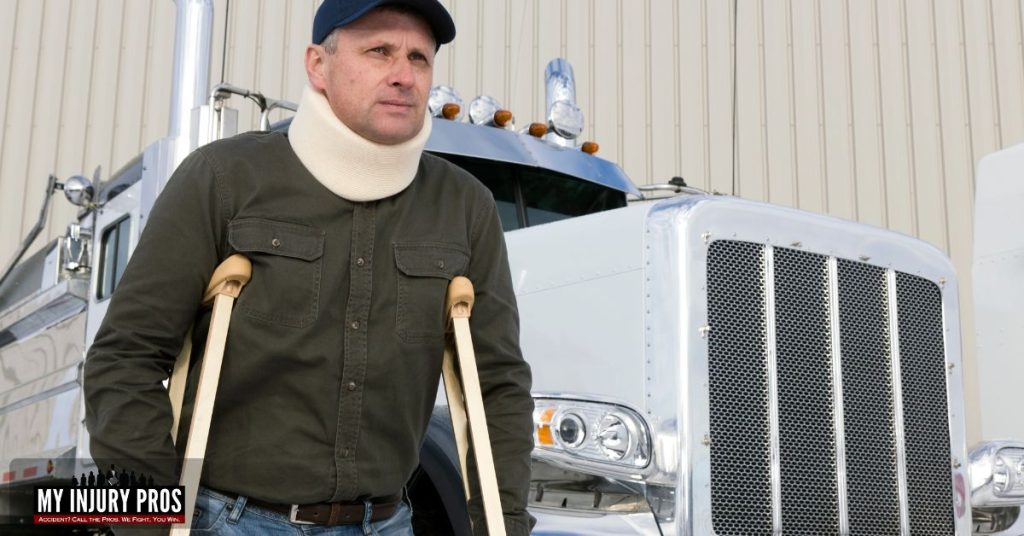
A personal injury settlement is compensation awarded to an individual who has been harmed due to someone else’s negligence. These settlements are meant to cover losses such as medical bills, lost wages, and pain and suffering. The purpose is to help the injured party recover financially after an accident or injury.
Personal injury cases can arise from a variety of situations, including car accidents, slip and fall incidents, medical malpractice, or workplace injuries. The outcome often results in either settlement terms where payments are made over time, or a lump sum settlement, which is paid all at once.
The way a settlement is collected can affect SNAP entitlement. A lump sum payment may be counted as a resource or asset in the month it’s received, which could push a household over SNAP's asset limits. In contrast, structured settlements may be counted as revenue when payments are collected and can likely affect food stamp eligibility based on income thresholds.
SNAP requires recipients to report any changes in income or assets, including settlements. If not reported properly, it could result in overpayments or disqualification from the government assistance program. Knowledge of how a compensation affects your government benefits under SNAP rules is pivotal for retaining benefits while navigating financial recovery from a personal injury claim.
Will a Personal Injury Settlement Affect Your SNAP Benefits?

A personal injury settlement can affect your SNAP benefits depending on how it is classified, either as income or an asset. If you receive a full payment all at once, it may be counted as revenue in the month it's received and as an asset in the following months. This can have a temporary or long-term effect on your eligibility, depending on the size of the settlement and how quickly it is spent or allocated.
SNAP has strict asset limits, typically $2,750 for most households or $4,250 if someone is elderly or disabled. A large settlement could easily push you over these limits, potentially disqualifying you from receiving benefits. However, some assets, like a home or certain trusts, may be excluded if handled properly.
For example, someone who receives a $10,000 lump sum and deposits it into a standard savings account could lose their SNAP benefits due to excess assets. In contrast, another person who uses the funds quickly for medical bills or places them into a legally structured special needs trust may retain eligibility. Each case is different, so understanding how the settlement is treated and planning accordingly is essential to protecting your benefits.
Can You Keep Food Stamps After a Settlement?
Yes, it is possible to keep receiving food stamps after a personal injury settlement, but it depends on how the settlement is handled. Certain parts of a settlement, such as payments specifically meant to cover future medical expenses or pain and suffering, might be excluded from SNAP calculations. However, any unspent funds could still count as assets, which may affect your eligibility.
There are legal ways to protect settlement funds and maintain SNAP benefits. One common method is placing the money into a Special Needs Trust, which shelters the funds from being counted as personal assets for benefit purposes. Another option for individuals with disabilities is an ABLE account, which allows qualified expenses to be paid from the account without impacting SNAP eligibility.
It is vital to report any settlement to your local SNAP office. Failing to disclose the funds could result in overpayments or temporary disqualification. By being transparent and planning carefully, you can preserve your benefits while also making use of your settlement.
What to Do If Your Food Stamps Are Affected by a Settlement
If you receive a personal injury settlement, it’s important to report the change to your local SNAP office right away. You’ll need to provide documentation showing the amount, type of settlement, and how the funds will be used or allocated. Prompt reporting helps avoid issues like overpayments or disqualification due to unreported changes.
If your benefits are reduced or denied as a result of a compensation, you have the right to appeal the decision. A personal injury attorney or benefits advocate can help you navigate the appeal process, present your case, and ensure the settlement is classified appropriately under SNAP rules.
If your SNAP benefits are permanently reduced or stopped, you can explore other public assistance options. These options include local food banks, Temporary Assistance for Needy Families (TANF), or Medicaid benefit programs. These resources can help fill the gap while you adjust your finances after receiving a settlement.
How a Personal Injury Attorney Can Help with SNAP Issues
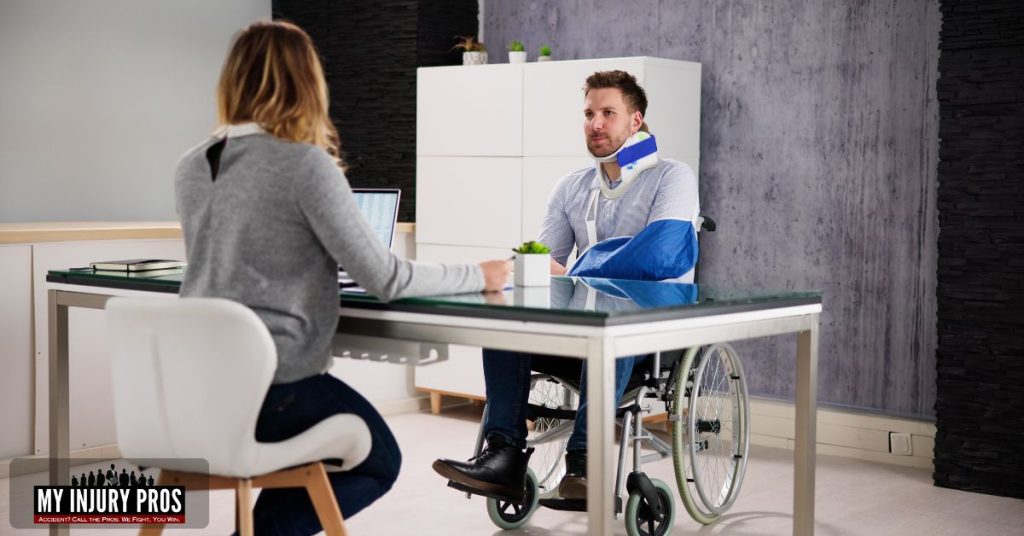
Hiring a personal injury attorney can help protect your SNAP benefits by guiding you on how different types of compensation from personal injury settlement funds can impact your eligibility. They can also assist in structuring your compensation to minimize its effect on your social security benefits, such as by using a Special Needs Trust or a structured settlement.
Also, personal injury lawyers can help you maneuver SNAP’s complex regulations, ensure proper reporting, and handle any appeals if your public entitlements are reduced. Their expertise can make the process smoother and make certain you retain the support you need while managing your settlement.
Need a Personal Injury Lawyer for Your SNAP Issues?
Receiving a personal injury settlement can impact your SNAP benefits, depending on how the funds are categorized and handled. Lump sum payments may count as income or assets, possibly affecting eligibility, while structured settlements or placing funds in a Special Needs Trust can help protect benefits. SNAP also considers other factors like housing costs and medical expenses, and it’s crucial to report any financial changes promptly to avoid issues.
To preserve both your settlement and your food assistance, proactive planning is necessary. A personal injury attorney can help you structure your settlement wisely, guide you through SNAP’s complex rules, and assist with appeals if needed. Always seek legal and financial advice to make informed decisions and ensure you maintain the support you rely on.
Concerned that your personal injury settlement could jeopardize your food stamp benefits? At My Injury Pros, our experienced personal injury lawyers specialize in helping you navigate the complexities of how compensations affect SNAP eligibility. We can structure your settlement to protect your benefits and ensure you don’t lose the support you need. Contact us today for expert advice and a strategy tailored to your situation!
Frequently Asked Questions
Do I Need to Report a Personal Injury Settlement to SNAP?
Yes, you are required to report a personal injury settlement to SNAP, as it can impact your eligibility and benefit amount.
Will I Lose My Food Stamp Benefits Permanently After a Settlement?
While a settlement may temporarily affect your eligibility, proper planning, such as using a Special Needs Trust, can help you retain your food stamp benefits.
What if I’ve Already Spent My Personal Injury Settlement Money?
If you've spent your settlement, you still need to report it to SNAP, but spending timing and usage may reduce its impact on eligibility.
Can I Reapply for Food Stamps After a Settlement?
Yes, you can reapply for food stamps after a settlement if your financial situation changes and you meet the eligibility requirements.
How Does a Structured Settlement Affect My Food Stamps?
A structured settlement may affect your food stamps by counting as income when payments are received, but it can be managed to minimize its impact on eligibility.
Do Medical Expenses Paid by a Settlement Reduce Food Stamp Impact?
Yes, medical expenses paid by a settlement can be deducted from your income for SNAP calculations, potentially reducing the impact on your benefits.