

A deposition is an interview where you, the other party, and witnesses give sworn testimony outside of court. Here, everything is recorded, and your answers can play a big role in what happens next, whether it’s a settlement or a full-blown trial. It allows both sides to gather evidence, assess credibility, and develop their legal strategies.
After a deposition, several steps follow in the legal process. This includes review & analysis, expert review, settlement negotiations, mediation, pre-trial motions and trial preparation.
Navigating the post-deposition phase can be complex, which is why having an experienced personal injury attorney is necessary. A skilled lawyer can leverage deposition findings to negotiate a fair settlement or present a compelling case in court.
At My Injury Pros, we have the expertise in various practice areas and can guide you through the legal process and fight for the compensation you deserve. Schedule a free consultation with us today!
This post will take a quick look at what a deposition is and why it matters. It will also cover what happens after your deposition from legal reviews to potential settlements.
What Is a Deposition in a Personal Injury Case?
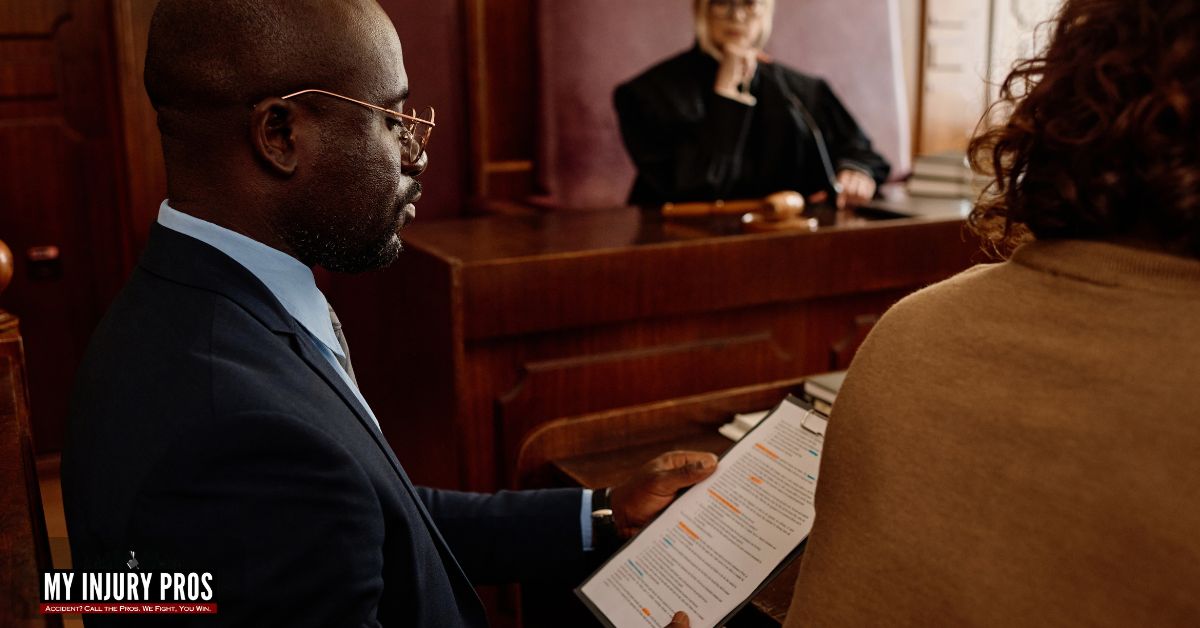
A deposition is an out-of-court testimony given under oath, recorded by a court reporter. It is a crucial part of the legal process in a personal injury case, allowing both sides to gather information, clarify facts, and prepare for trial or settlement.
During a deposition, the witness, known as the deponent, answers questions posed by attorneys from both sides. While a judge is not present, everything said is officially recorded and can be used later in the case. Depositions help attorneys assess the strength of a case, determine potential settlement options, and develop trial strategies if necessary.
Because depositions play a vital role in shaping the outcome of a personal injury lawsuit, having an experienced attorney by your side can make all the difference in protecting your rights and maximizing your claim.
What Happens After a Deposition in a Personal Injury Case

A deposition is a critical part of a personal injury lawsuit process where both parties gather information, clarify facts, and assess the strength of their case. But what happens next? After the deposition process, attorneys, insurance companies, and opposing parties analyze the testimony to determine the next steps. Depending on the deposition testimony, the case could move toward settlement negotiations, mediation, or trial preparation. This phase is crucial, as it can significantly affect the outcome of your case.
Reviewing the Deposition Transcript
After a deposition, a court reporter transcribes everything said during the session, creating an official transcript that attorneys use to evaluate the case. It typically takes several weeks to receive the transcript, but once available, both sides carefully review it for accuracy and potential inconsistencies.
Attorneys analyze the transcript to strengthen their arguments, verify witness testimony, and ensure that no statements were misinterpreted. If there are discrepancies, they may request corrections or use them to challenge the other party’s legal position. The discovery process is all about gathering valuable information, and the deposition transcript plays a major role in that.
Evaluating Your Personal Injury Case and Legal Strategy
Attorneys use deposition testimony to reassess case strengths and weaknesses. If new evidence or an unexpected admission emerges, legal teams may adjust their approach, consult expert witnesses, or request more discovery to solidify their case.
If the deposition weakens the opposing party’s claims, your attorney may push for a higher settlement offer. On the other hand, if new challenges arise, the legal team may focus on trial preparation. In some cases, attorneys request subsequent mediation or even additional witness questions to further clarify key points.
Negotiating a Settlement After a Deposition
Many personal injury cases reach settlement agreements after depositions, as both sides reassess their legal position. If the opposing side sees that the injury victim has a strong case, they may offer a settlement to avoid trial. Factors such as credible testimony, medical professional reports, and other evidence can influence settlement amounts.
Insurance companies often use depositions to determine whether to settle or take the case to trial. If the other party’s attorney sees weaknesses in their case, they may initiate alternative dispute resolution methods like mediation. This can lead to a negotiated settlement without going to court.
How long after a deposition is settlement? In most cases, settlement discussions begin a few weeks to months after a deposition, depending on the complexity of the case. If mediation occurs, it can happen several weeks after the deposition. However, if the opposing party is unwilling to settle, the case may proceed towards trial.
Pre-Trial Motions and Additional Discovery
Before trial, attorneys may file pre-trial motions to shape the case’s direction. These motions can include motions to dismiss, motions for summary judgment, and motions to exclude evidence. A motion to dismiss is a request for the court to drop the case if there is insufficient evidence, while a motion for summary judgment argues that one party should win based on the evidence presented. Additionally, a motion to exclude evidence attempts to prevent certain testimony or doctor's assessment from being used in court.
At this stage, attorneys may also request further evidence, such as medical records, independent medical examinations, or additional expert witnesses to strengthen their claims. Judges may rule on these issues before the trial begins.
Preparing for Personal Injury Trial
If settlement negotiations fail, the case moves to trial. During this phase, legal teams conduct witness preparations including mock examinations, finalize legal arguments and review other evidence, and participate in jury selection and pre-trial hearings. They also present their case before a judge or jury, with deposition testimony playing a key role.
Although the trial process can be lengthy, many cases settle at the last moment as the opposing counsel weighs their chances of winning.
Can a Deposition Be Used in Court?
Yes, deposition testimony can be used in court, and often plays a crucial role in a personal injury trial. Although depositions are conducted during the discovery process, they can serve as valuable evidence during litigation. Attorneys from both sides may introduce deposition excerpts to support their arguments, challenge a witness’s credibility, or provide testimony when a witness is unavailable.
A deposition can be used in trial if the witness is unavailable. If a witness or medical professional is unable to testify due to illness, relocation, or death, their deposition testimony can be presented in court as a substitute for live testimony.
A deposition can also be used to impeach a witness. For example, if a witness contradicts their earlier statement, attorneys can use the official transcript from the deposition process to challenge their credibility. This is especially useful if a witness changes details about the injury case, accident, or medical condition.
Furthermore, depositions can serve as evidence in court. Typically, deposition excerpts (selected relevant parts) are often selected and read aloud or shown as video recordings to reinforce key arguments.
Additionally, depositions can come in handy when expert testimony is needed. If an expert witness provided important insights during the discovery stage, their deposition testimony may be used instead of requiring them to appear in person.
What to Expect if Your Personal Injury Case Goes to Trial
While many personal injury cases settle out of court, some proceed to trial if settlement negotiations fail. If your personal injury lawsuit is heading to trial, these are some key phases you need to understand to help you feel more prepared:
- Jury Selection – The process begins with attorneys from both sides selecting impartial jurors to decide the case.
- Opening Statements – Each party’s attorney presents an overview of their legal position and what they aim to prove.
- Witness Testimony & Cross-Examinations – Both sides introduce medical professionals, expert witnesses, and other individuals to support their claims. The opposing party’s attorney may cross-examine them to challenge their credibility.
- Presentation of Evidence – Attorneys submit medical records, accident reports, and further evidence collected during the discovery process to strengthen their case.
- Closing Arguments – Both sides summarize their arguments and make a final appeal to the jury or retired judge if applicable.
After trial, the jury decides whether you win compensation or not. If the verdict is in your favor, you may receive damages for medical bills, lost wages, and pain and suffering. However, the opposing side can appeal, which may extend the litigation process.
How a Lawyer Supports Your Injury Case Process

If you’ve been involved in a personal injury accident, having an experienced personal injury attorney by your side can make all the difference. From gathering evidence to negotiating with insurance companies, a lawyer ensures your rights are protected and maximizes your chances of a fair settlement.
A lawyer begins by assessing the strength of your personal injury case by carefully reviewing the details of the incident, gathering necessary evidence, and determining legal liability. Attorneys may also work with medical professionals and accident reconstruction experts to strengthen your case and counter arguments made by the opposing party or their legal team.
Insurance companies often attempt to minimize payouts by offering lowball settlements or disputing claims. A lawyer plays a crucial role in handling settlement negotiations by communicating directly with insurance adjusters, ensuring that your legal rights are protected, and preventing misleading tactics. Furthermore, if your case proceeds to litigation, your attorney will represent you throughout the litigation process, including depositions and courtroom proceedings.
At My Injury Pros, we offer a free consultation to discuss your legal options and help you navigate the complexities of your injury case. If you or a loved one needs legal guidance, contact us today to ensure your case is handled with expertise and dedication.
Need a Personal Injury Attorney to Maximize Your Settlement?
For many injury victims, the post-deposition phase is when settlement negotiations intensify. Insurance companies often reassess their stance based on deposition testimony and may either increase or decrease their settlement offer. A strong deposition process and compelling evidence can provide more leverage in negotiations, potentially leading to a higher payout. However, without an experienced lawyer advocating for your best interests, there is a risk of accepting a lowball settlement that does not fully cover your losses.
If a settlement cannot be reached, the case proceeds toward trial preparation. Attorneys handle pre-trial motions, coordinate expert witness testimony, and refine legal arguments. While some cases ultimately go to trial, many personal injury lawsuits settle before reaching that stage. An experienced attorney ensures that you are fully prepared for all possible outcomes, whether through a settlement agreement, mediation, or courtroom litigation.
Navigating the post-deposition phase without legal guidance can be overwhelming and may put your case at risk. At My Injury Pros, our team of skilled attorneys is dedicated to maximizing your settlement and ensuring you receive the compensation you deserve. Schedule your free case evaluation with us now!