
Personal injury cases allow victims to seek compensation for medical bills, lost wages, emotional distress, and other damages when accidents or injuries occur due to someone else’s negligence, personal injury cases arise. While some personal injury claims are resolved through negotiations or insurance settlements, others may require litigation to ensure fair compensation.
If you are wondering what does litigation mean in a personal injury case, litigation typically refers to the legal process of resolving disputes in a court of law. In the context of personal injury cases, litigation occurs when settlement negotiations fail, and the injured party files a lawsuit against the at-fault party. Litigation involves several stages, including filing the complaint, discovery, pretrial motions, trial, and potentially an appeal.
If you’re dealing with a personal injury case and want to explore your legal options, My Injury Pros can help. Our personal injury lawyers are experts in an array of practice areas and will guide you through every step of the legal process. Schedule a free consultation with us today!
This post will provide a comprehensive overview of litigation in personal injury cases, including key stages of the litigation process and the role of an attorney in the process.
What Does Litigation Mean in a Personal Injury Case?

Litigation in a personal injury case refers to the legal process of resolving a dispute through the court system. It begins when the injured party, also known as the plaintiff, files a lawsuit against the at-fault party (defendant) seeking compensation for damages such as medical bills, lost wages, and non-economic damages like pain and suffering. Unlike negotiation or settlement, litigation typically involves more formal legal proceedings, such as filing complaints, presenting evidence, oral examinations, and potentially going to trial.
Litigation plays an important role in personal injury matters because it ensures accountability. Through litigation, injured parties hold the defendant legally responsible for their actions. It also provides fair settlement opportunities as the legal process creates pressure for the defendant to offer reasonable compensation.
Furthermore, litigation allows for comprehensive evidence presentation. This includes evidence such as witness statements, expert testimony, etc. In addition, litigation facilitates financial recovery as it ensures that claimants receive compensation for both economic and non-economic damages.
When Does Litigation Become Necessary in a Personal Injury Case?
While the vast majority of personal injury cases settle before reaching trial, some circumstances require litigation. An example of such a circumstance is failure to reach a settlement with insurance companies. When the defendant's insurance company offers a low settlement or refuses to negotiate in good faith, litigation may be the only option to recover fair compensation.
Another example is disputes over liability or damages. If the parties involved cannot agree on who is at fault or the extent of damages, the case may need to proceed to litigation to resolve the dispute.
Furthermore, keep in mind that personal injury cases must adhere to a statute of limitations. Therefore, the expiration of time in pre-litigation negotiations leads to litigation. If the deadline for filing a lawsuit approaches during prolonged negotiation processes, litigation becomes necessary to preserve the claim. Typically, the statute of limitations for personal injury claims ranges from one year to six years after the injury or accident.
A typical example of a scenario that leads to litigation could be a car accident case where the at-fault party denies liability despite clear evidence. Litigation could also occur due to disputes over the cost of medical treatment in a slip-and-fall injury claim. Similarly, litigation becomes necessary when an insurance company fails to offer compensation for lost wages or non-economic damages, such as emotional distress.
Personal Injury Litigation Process

Understanding the personal injury litigation process is crucial for anyone pursuing a personal injury claim. While most personal injury cases settle outside of court, some proceed to litigation when settlement negotiations with the defendant’s insurance company fail. This process can be complex but is essential in seeking fair compensation for the injured party. Below are some of the key stages of the litigation process:
Filing a Personal Injury Lawsuit
The litigation process begins with the formal filing of a personal injury lawsuit. Typically, the injured party or plaintiff files a legal document (the complaint) outlining the allegations, the defendant’s liability, and the damages sought, including medical bills, lost wages, and non-economic damages.
Once the complaint is filed, the defendant must be formally notified through a legal process known as "service of process." This ensures the at-fault party is aware of the lawsuit and has an opportunity to respond.
Discovery Phase
The discovery phase is another critical part of the personal injury litigation process because it allows both parties to gather and exchange information to build their cases. During this phase, there is the deposition process which allows witnesses and involved parties to provide oral examinations under oath, offering detailed accounts of the incident. There are also document requests where each side may request documents such as medical records, insurance claims, or correspondence related to the injury case. Then, there are interrogations, where written questions are exchanged between parties to gather further information about the case.
The discovery process ensures both parties have access to relevant information to collect evidence that supports their claims. This stage often involves expert witnesses, witness statements, and detailed documentation of the incident.
Pretrial Motions and Hearings
Before the case proceeds to trial, both parties may file pretrial motions and attend hearings. It could be a motion to dismiss or summary judgment. When a motion to dismiss is filed, the defendant may argue that the case should be dismissed due to insufficient evidence or procedural issues. On the other hand, for summary judgment, either party may request a summary judgment if they believe there is no need for a trial because the facts are undisputed.
Pretrial hearings are helpful in shaping the direction of the case. They allow for the resolution of procedural issues, clarify points of dispute, and sometimes encourage settlements before the trial date.
Trial Process
If the case proceeds to trial, it will follow a structured series of steps in the court system. Here’s an overview of the trial process:
- Jury selection: A jury is chosen to hear the case and decide the verdict.
- Opening statements: Both sides present an overview of their arguments, setting the tone for the trial.
- Presentation of evidence and witness testimonies: Each party introduces witness statements, expert witnesses, and physical evidence to support their case.
- Closing arguments: Final arguments summarize the evidence and emphasize the desired outcome for the jury or judge.
- Verdict: The jury (or judge in a bench trial) delivers a decision, determining the defendant’s liability and the amount of compensation the injured party will receive.
A favorable verdict ensures financial recovery, allowing the plaintiff to cover medical treatment, lost income, and other damages.
What to Expect During Litigation?
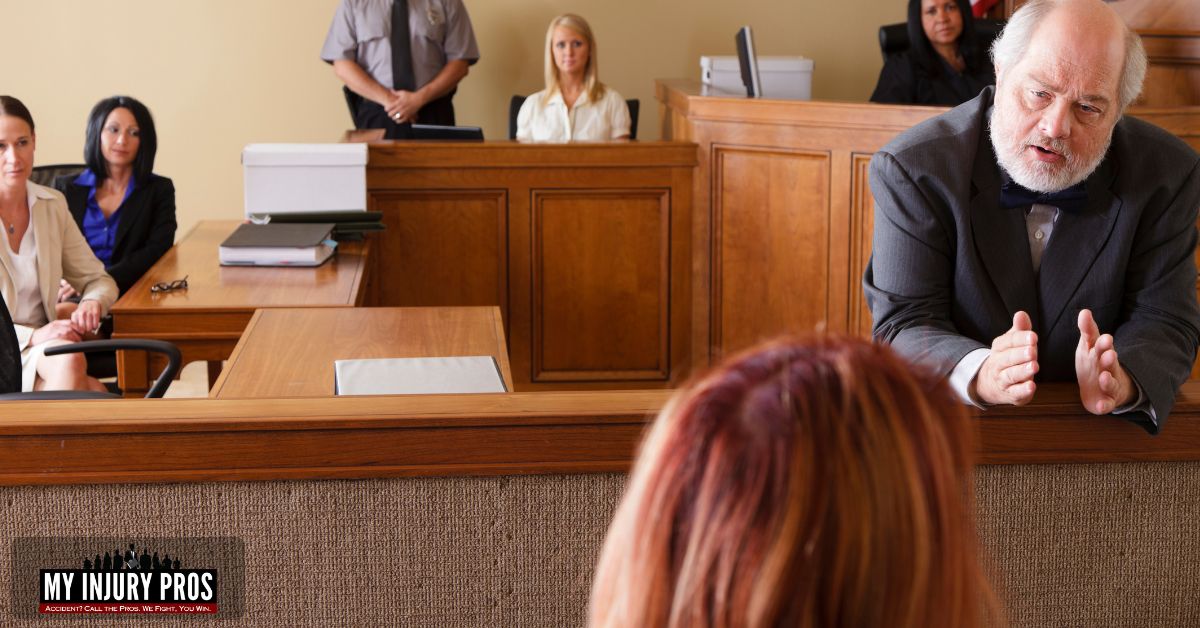
Litigation considerably comes with emotional, financial and logistical challenges. It can be a challenging journey that causes stress and uncertainty. It is why we advise working closely with a personal injury attorney who offers support and clarity throughout the process.
Similarly, litigation costs may include court fees, depositions, and expert witnesses. This can be a financial burden. However, many law firms work on a contingency basis, meaning no fees are owed unless you receive fair compensation.
On the aspect of logistical challenges, plaintiffs may need to collect and organize evidence, such as medical records and insurance claims. You may also need to attend hearings, depositions, or a trial, which can be time-intensive.
The duration of litigation varies based on the complexity of the personal injury case. While most personal injury cases settle within months, litigation may extend for 12–18 months or longer (if the case involves disputes over liability, extensive evidence collection, or multiple parties).
The Role of an Attorney in Personal Injury Litigation
An experienced personal injury attorney plays an essential role in protecting your rights and advocating for the injured party during litigation. Attorneys provide guidance on legal procedure. This includes handling the complexities of the court system and ensuring compliance with filing deadlines, motions, and evidence presentation.
They also negotiate for maximum compensation. Typically, lawyers work to negotiate fair settlements with the defendant's insurance company or prepare for trial if negotiations fail.
Attorneys also play a helpful role in presenting evidence. They collate evidence and present compelling arguments to prove the defendant’s liability and justify damages such as medical treatment, lost wages, and non-economic damages.
Alternatives to Litigation in Personal Injury Cases

Litigation isn’t the only way to resolve a personal injury case. Many disputes are settled through alternative dispute resolution methods, such as settlement negotiations, mediation, and arbitration. These approaches can save time, money, and emotional stress while still achieving a fair settlement.
Settlement negotiations are the most common alternative to litigation. During this process, injured parties or their personal injury attorney negotiate with the defendant's insurance company to agree on compensation for medical bills, lost wages, and other damages. Offers and counteroffers are exchanged until both parties reach a mutual agreement or determine that litigation is necessary. Settlements are less expensive than legal proceedings and have faster resolutions. Settlements also avoid the unpredictability of a jury verdict. However, some cases may involve complex liability issues that may prolong discussions. Also, insurers may initially offer low settlements and this requires skilled negotiation.
Mediation involves a neutral third party (mediator) who facilitates discussions between both sides to help them reach a voluntary settlement. This process is collaborative and non-binding. It encourages open communication and creative solutions. It also keeps parties in control of the outcome and is a confidential process that protects privacy. On the flip side, both parties must voluntarily agree to participate. This may not result in an agreement, leading to litigation.
In arbitration, a neutral arbitrator (or panel) reviews the evidence and arguments from both sides before issuing a binding or non-binding decision. Arbitrators often have expertise in personal injury law. This method is more formal than mediation but less so than court trials. It is also faster than litigation with a structured process and binding arbitration provides closure and avoids prolonged disputes. However, arbitration costs may be higher than mediation and binding decisions cannot typically be appealed.
Need to Consult a Personal Injury Lawyer First?
Litigation in a personal injury case can be a complex and time-consuming process. From filing the complaint to navigating the discovery phase, pretrial motions, and eventually heading to trial, each step requires careful attention to detail and a clear understanding of the legal process. Whether you are dealing with an insurance company or facing disputes over liability and damages, personal injury litigation involves multiple stages that could make or break your case.
Given the complexities and the potential for emotional, financial, and logistical strain, it’s crucial to consult a personal injury lawyer before making any major decisions. An experienced attorney can help you understand the litigation process, advise on the best course of action, and ensure you are fighting for the fair compensation you deserve.
Don’t navigate this challenging journey alone, an experienced personal injury lawyer can make all the difference. For personalized advice and expert legal assistance, My Injury Pros is here to help. Start with a free consultation and let us guide you every step of the way!