A demand package in a personal injury case is a comprehensive document sent to the at-fault party’s insurance company to request compensation for injuries and losses. It includes key documents such as medical records, police reports, bills, proof of lost wages, photos, witness statements, and a detailed demand letter outlining the facts of the accidents and the certain amount being sought. This package serves as the critical part and foundation for negotiations, helping to clearly communicate the impact of the injury and push for a fair settlement.
At My Injury Pros, our team brings years of experience handling complex personal injury claims and negotiating with insurance companies. We understand how to build. We take a personalized approach to building strong demand packages that clearly demonstrate the full extent of your damages and maximize your chances of a fair settlement. Working with our skilled personal injury attorneys ensures no detail is overlooked and your case is presented in the most effective way possible. Contact us today for a free consultation and let us fight to get you the compensation you deserve.
In this blog, we will explore what happens to a person’s finances after death, from handling debts and taxes to distributing assets and benefits.
What Is a Demand Package?
A demand package is a comprehensive document prepared by an attorney or claimant in a personal injury case to request compensation from the at-fault party or their insurance company. It typically includes a detailed description of the incident, evidence of liability, medical records, police reports, bills, proof of lost wages, and a specific monetary demand for settlement. The goal of the settlement demand package is to present a clear and well-organized case that supports the injured party’s claim and justifies the compensation being requested.
Unlike other legal documents, such as court pleadings or complaints, a demand package is not filed with the court. Instead, it serves as a persuasive tool used during the pre-litigation phase of a case. Pleadings, on the other hand, simply state allegations and legal arguments.
A personal injury demand package provides a full narrative with supporting documentation to demonstrate both the extent of the injuries and the impact on the victim’s life. This makes it a key piece of communication between the claimant and the insurance company before formal litigation begins.
The demand package plays a critical role in settlement negotiations. It acts as the foundation for negotiations by outlining the facts, legal arguments, and evidence in one comprehensive submission. A well-prepared settlement demand package often helps to resolve disputes quickly by encouraging the insurance company to settle before a lawsuit is filed. If successful, it can save both parties time and legal costs while ensuring the injured party receives fair compensation without going to trial.
What Should I Include in My Demand Package?
When preparing a demand package, including the right documents is essential to building a strong and convincing personal injury claim. Each piece of information you provide serves as evidence to support your request for compensation and helps the insurance company clearly understand the extent of your damages.
Settlement Demand Letter
A settlement demand letter is the foundation of your settlement demand package. It outlines the case, your injuries, and the compensation you want. The tone should be professional yet persuasive, focusing on the evidence rather than on emotion. A well-written letter or well-crafted demand letter sets the stage for negotiations by clearly presenting your side of the story, outlining your right to recover damages, and giving the insurance company a starting point for settlement discussions.
Medical Records and Bills
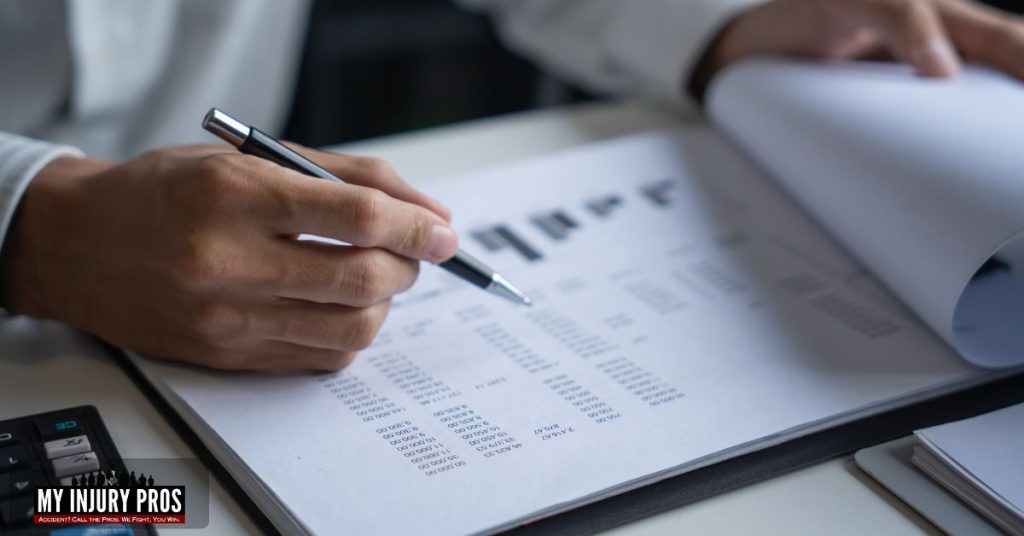
Medical records and bills are crucial because they provide detailed proof of your injuries and the treatment you’ve received, and any future medical expenses you may require. These documents demonstrate the seriousness of your condition, including severe injuries and the costs you’ve incurred. The more thorough and organized your medical documentation is, the stronger your claim will be when negotiating for favorable settlements.
Evidence of Lost Wages and Expenses
Including evidence of lost wages and expenses shows the financial impact the injury has had on your life. This may include pay stubs, tax returns, or employer statements verifying missed work, as well as receipts for out-of-pocket expenses such as medications, transportation, home care services, and other expenses related to your recovery.
Photos and Supporting Evidence
Adding photos and supporting evidence can be extremely persuasive. Visual proof, such as pictures of your injuries, property damage, or the accident scene, helps the insurance adjuster or opposing party clearly see the extent of the harm caused.
Expert Opinions or Reports
Finally, expert opinions or reports, such as statements from doctors, medical providers, or accident reconstruction specialists, add credibility to your case. These professional evaluations provide an unbiased perspective and can help explain complex details, ultimately strengthening your position during settlement negotiations.
When Is a Demand Package Submitted?
A demand package is typically submitted once you have completed medical treatment or reached maximum medical improvement (MMI). This timing is crucial because it allows you to fully understand the extent of your injuries, ongoing medical needs, and the total costs associated with your recovery.
Submitting the demand too early, before all damages are known, could result in undervaluing your claim and leaving you without adequate compensation for future expenses. By waiting until you have a complete picture of your injuries and financial losses, you can present a comprehensive and accurate claim to the insurance company.
The timing of your demand package can also influence the insurance company’s response. It shows that your case is well-prepared and supported by solid evidence when you submit it at the appropriate stage of the claims process. This can encourage the insurer to negotiate fairly and potentially settle quickly.
On the other hand, the insurance company might delay, contest, or undervalue your claim if the demand is hasty or incomplete. A well-timed, detailed demand package signals that you are ready to pursue legal action if necessary, saving time and increasing the pressure on the insurer to respond seriously and in good faith.
What Happens After the Demand Package Is Submitted?
After a demand package is submitted, the insurance company will carefully review the documents and evidence provided. Their response can vary depending on how strong and clear your case is. In some situations, the insurer may accept the demand and agree to pay the requested amount in full. More commonly, however, they may dispute certain parts of the claim, request additional information, or deny liability altogether. The initial response helps set the tone for what the negotiation process will look like moving forward.
Once the insurance company, defense counsel, and insurance adjusters have reviewed the demand, they will begin negotiations to work towards fair compensation. It’s common for the insurer to make a counteroffer that is lower than your original request. This back-and-forth process may involve several rounds of offers and counteroffers as both sides work to reach an agreement.
During negotiations, your personal injury lawyer or representative will use the evidence in your demand package to argue for fair compensation to address any points of disagreement raised by the insurer. If negotiations stall or the insurance company refuses to make a reasonable settlement, the case may proceed to litigation. This means filing a formal lawsuit and taking the matter to court.
Generally, people view litigation as a final option due to its time-consuming and costly nature. However, having a well-prepared settlement demand package from the start strengthens your position in court by providing clear documentation of your injuries, expenses, and efforts to settle the matter out of court.
What Is the Purpose of a Demand Package in Negotiations?

A demand package plays a vital role in settlement negotiations because it clearly communicates the extent of your damages to the insurance company. It outlines the facts of the accident, details the plaintiff’s injuries and the client’s injuries, and includes evidence supporting the claim, such as medical records, bill records, witness statements, and proof of lost income. Presenting this information clearly helps the insurer understand the full impact of the injury, giving them a strong basis to evaluate your case value.
In addition, the settlement demand package sets a baseline for the settlement process. The settlement amount you request establishes the starting point for discussions with the insurance company. This figure not only reflects the total value of your personal injury claim but also leaves room for negotiation. A strong demand package shows you’re serious about your claim and can push the insurer toward a fair counteroffer.
However, certain common mistakes can weaken your demand and hurt your chances of a favorable settlement. Submitting incomplete documents, exaggerating the plaintiff’s injuries or client’s injuries, or being overly aggressive in tone can lead the insurer to question your credibility. Missing evidence like medical bills or proof of lost earnings can lead to delays or low offers, while complete documentation keeps your demand package professional and effective.
How a Personal Injury Attorney Helps with a Demand Package
Having a personal injury attorney involved in preparing a demand package is often critical because they bring legal expertise and experience to the process. Attorneys understand how insurance companies operate and know what evidence is most persuasive in proving liability and damages. They can also navigate complex legal requirements, ensuring that the demand package is properly structured and professionally presented, which increases the chances of a favorable response from the insurer.
Lawyers ensure that the settlement demand package includes all damages. This goes beyond just negotiating medical bills and lost wages; it also accounts for future medical expenses, future economic damages, long-term disability, pain and suffering, and other non-economic damages that a claimant might overlook. By thoroughly reviewing the case and gathering comprehensive documentation, personal injury lawyers help prevent undervaluation of the claim and ensure that every aspect of the injury’s impact is fully represented.
During negotiations, attorneys use the demand package as a strategic tool to advocate for their client's best interests. They know how to counter low settlement offers, challenge disputes raised by the insurance company, and present arguments backed by evidence. If negotiations stall, the attorney can use the demand package to signal readiness for a trial. This pressure often encourages insurers to settle on fair terms.
Tips for Preparing an Effective Demand Package

When preparing a demand package, organization is essential. Keep all documentation, such as medical records, bills, proof of lost wages, photos, and other documents, neatly arranged and easy to follow. A well-constructed demand package makes it easier for the insurance company to understand your claim and reduces the chances of confusion or delays.
Being thorough but concise is equally important. Provide all relevant details and evidence while leaving out unnecessary information that could weaken your case. Make sure to highlight both economic and non-economic damages in your demand. Economic damages include measurable financial losses like medical expenses and missed income, while non-economic damages cover pain and suffering, emotional distress, or loss of quality of life.
Presenting a complete picture of how the injury has affected you helps justify your settlement request and ensures nothing is left out. At the same time, avoid exaggeration. Overstating injuries or losses can hurt your credibility and give the insurance company a reason to doubt your entire claim.
Finally, consider reaching out to a personal injury law firm to guide you through the process. Attorneys understand what insurance companies look for and can help craft a strong, persuasive demand packet or demand package. Their experience ensures that every detail is properly addressed, increasing the likelihood of a fair settlement and protecting your rights if negotiations escalate to litigation.
Need an Experienced Personal Injury Attorney?
A demand package is a crucial part of any personal injury case, serving as the foundation for negotiations and a powerful tool to communicate the full extent of your damages. When properly prepared, it provides clear, organized evidence that can lead to a fair and timely settlement, potentially avoiding the need for a lengthy court battle.
Working with an experienced personal injury lawyer ensures your demand package is thorough, accurate, and strategically crafted. An attorney knows how to present your case in the strongest possible way, negotiate effectively with insurance companies, and maximize your settlement so you receive the compensation you deserve.
At My Injury Pros, our experienced team knows how to build a strong case with demand packages that clearly show the full impact of your injuries. Our skilled personal injury attorneys are here to answer questions and guide you every step of the way. Contact us today for a free case evaluation and let our team guide you through the entire process. Let's take you towards the favorable settlement you deserve.
Frequently Asked Questions
If you’re navigating a personal injury claim, you may have questions about demand packages and their role in the process. This FAQ section answers common questions to help you understand how demand packages work and why they’re important for securing fair compensation.
What Does Demand Mean in a Settlement?
In a settlement, demand refers to a certain amount of money the injured party requests as compensation for their losses. It serves as the starting point for negotiations between the claimant and the insurance company or opposing party.
How Successful Are Demand Letters?
Demand letters are often successful in prompting settlements, especially when they are well-drafted and supported by strong evidence. However, their effectiveness depends on factors like the strength of the case, the clarity of documentation, and the willingness of the insurance company to negotiate.
Who Prepares a Demand Package in a Personal Injury Case?
A demand package is usually prepared by a personal injury attorney on behalf of the injured party. However, individuals without legal representation can also create one, though it may lack the detail and strategy an experienced lawyer provides.
What Is the Next Step After the Letter of Demand?
After a letter of demand is sent, the insurance company or opposing party will review it and respond, either by accepting, denying, or making a counteroffer. This response initiates the negotiation process and determines whether the case can be settled or needs to proceed to litigation.
How Long Does It Take to Prepare a Demand Package?
The time it takes to prepare a demand package depends on the complexity of the case and the amount of documentation required. On average, it can take anywhere from a few weeks to several months to gather all necessary records, evidence, and calculations. It’s also important to keep the statute of limitations in mind, as delays in preparation could put your claim at risk if the legal deadline to file approaches.
Can I Submit a Demand Package Without a Lawyer?
Yes, you can submit a demand package without a lawyer, especially in straightforward cases with clear evidence. However, having an attorney increases your chances of success by ensuring all damages are included and the package is strategically presented.